Retaining Wall Contractor
in Atlanta
No Job Too Big or Too Small
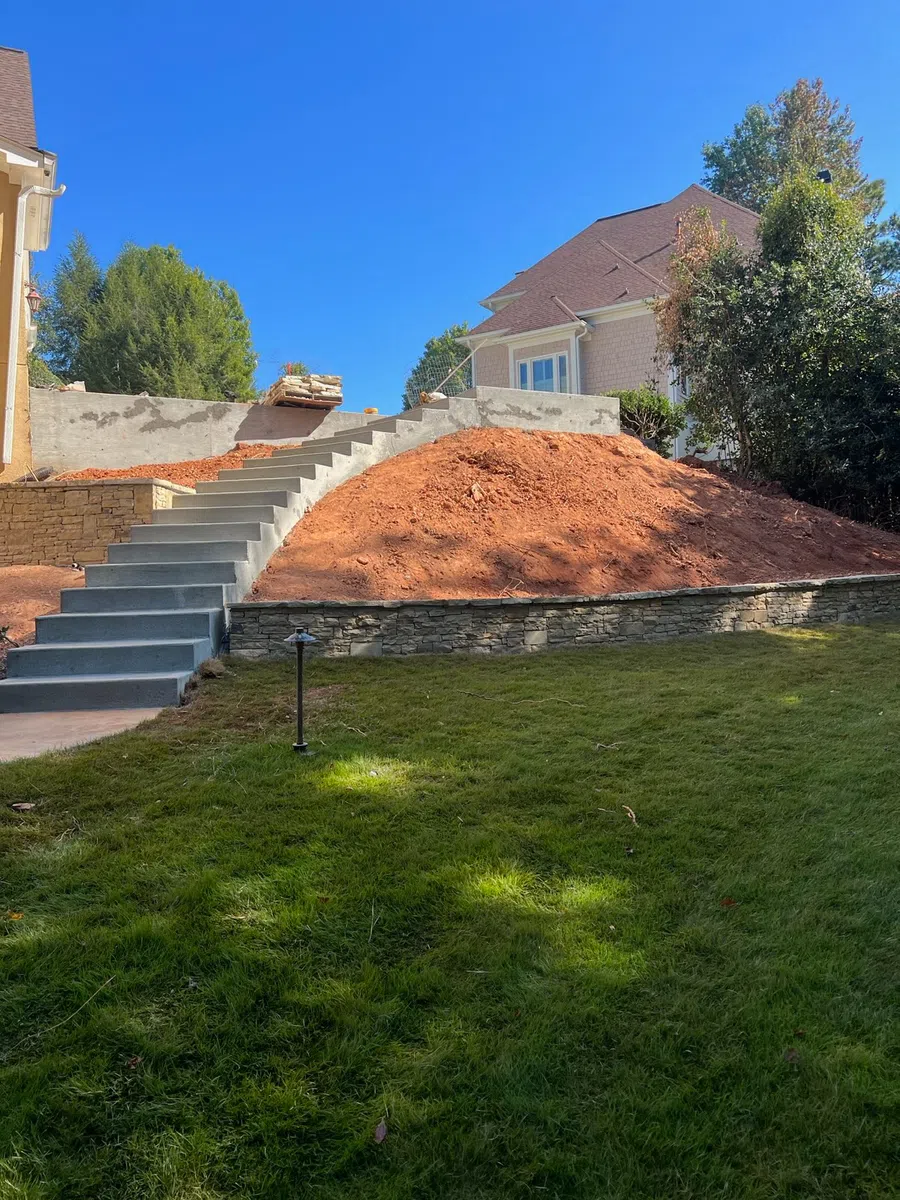
Turn a Steep Slope Into Usable Yard
A properly built retaining wall can make a sloped yard more usable, protect surrounding areas from erosion, and create a more finished landscape.
But a retaining wall needs to do more than look good. It must be designed to manage the weight of the soil and the water that collects behind it.
Sudlow Concrete builds poured concrete, block, and natural stone retaining walls throughout metro Atlanta, with careful attention to grading, drainage, and long-term performance.
Retaining Walls Built for Georgia Clay
Built With Drainage in Mind
When it comes to retaining walls in Georgia, one of the biggest challenges is what happens behind the wall.
Atlanta's clay-heavy soil holds moisture. As water accumulates, the pressure against a retaining wall increases.
Without proper drainage and structural support, a wall may eventually begin to lean, crack, or bulge.
That's why we approach retaining wall projects by looking at the entire site, not just where the wall will be installed.
We'll assess the slope, soil conditions, drainage, and intended use of the surrounding area before discussing construction options.
Sudlow Concrete has been serving Georgia since 2000, and we provide free on-site estimates with clear upfront pricing.
Types of Retaining Walls We Build
The right retaining wall depends on several factors, including the height of the slope, the amount of soil being supported, the surrounding landscape, and your preferred appearance. We build retaining walls using several materials.

Poured Concrete Retaining Walls
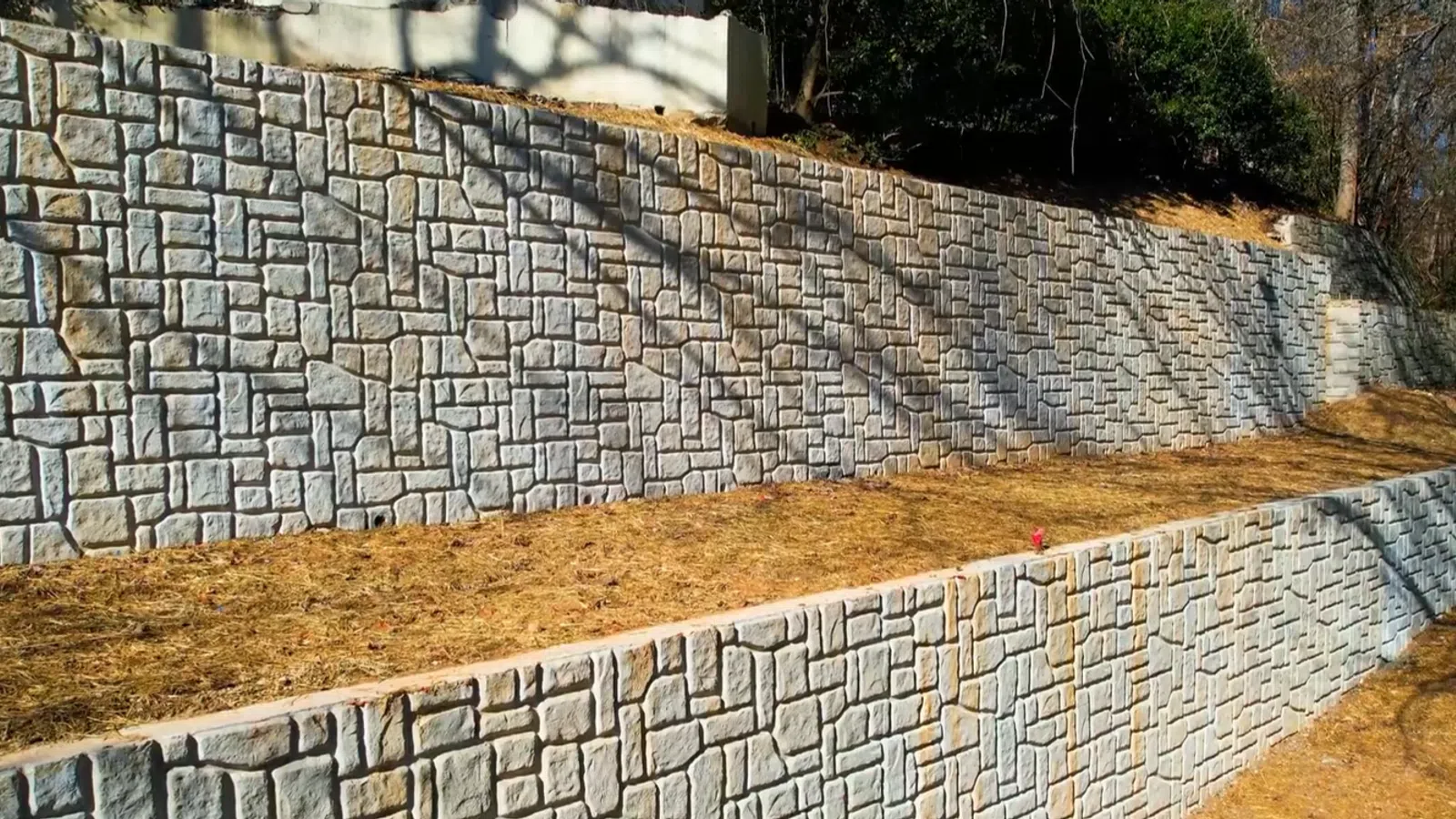
Poured concrete retaining walls provide a strong, durable solution for properties requiring substantial structural support.
With steel reinforcement and appropriate footing design, poured concrete is well suited to taller walls and areas supporting heavier loads, such as driveway edges and elevated parking areas.

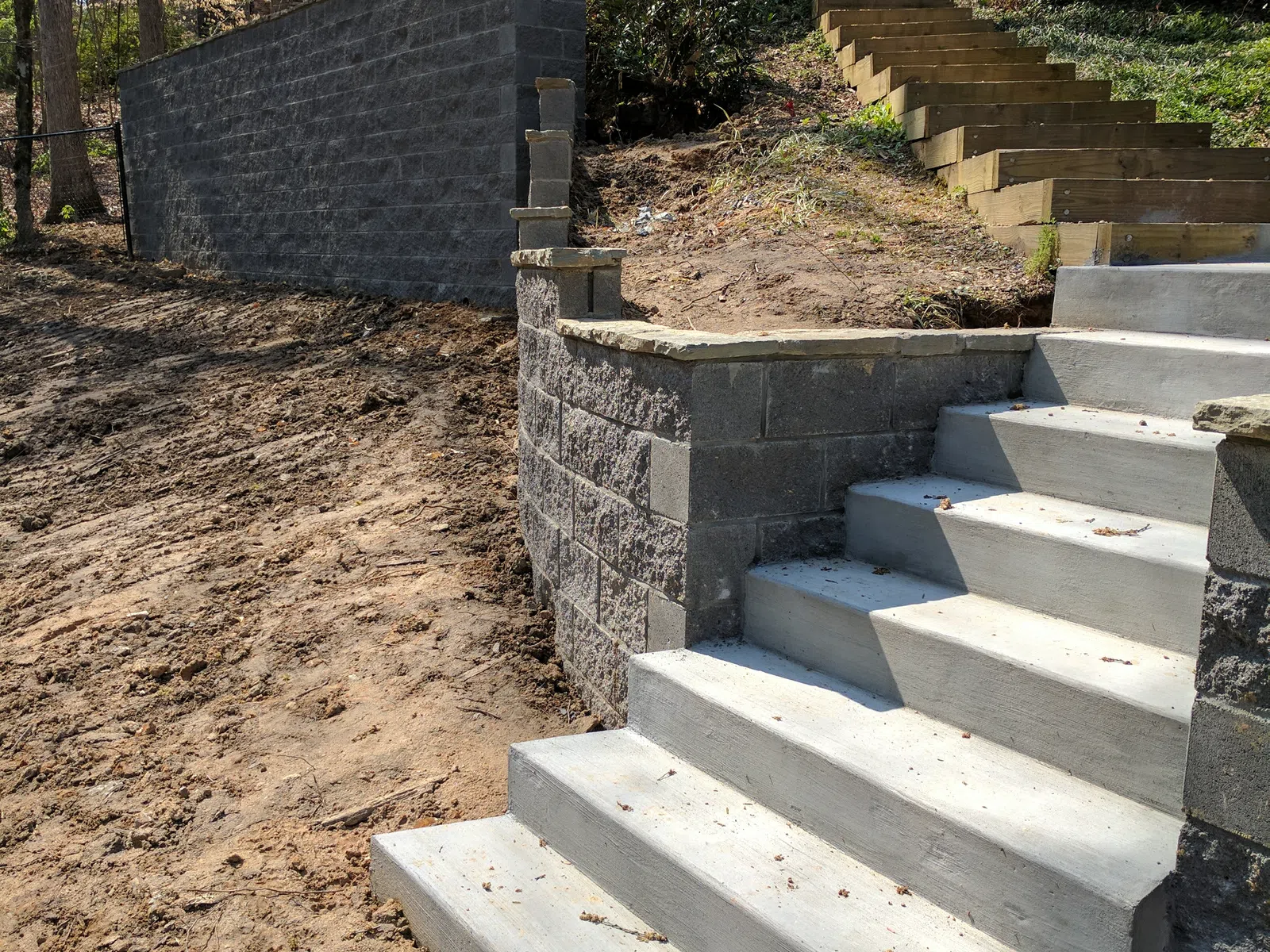
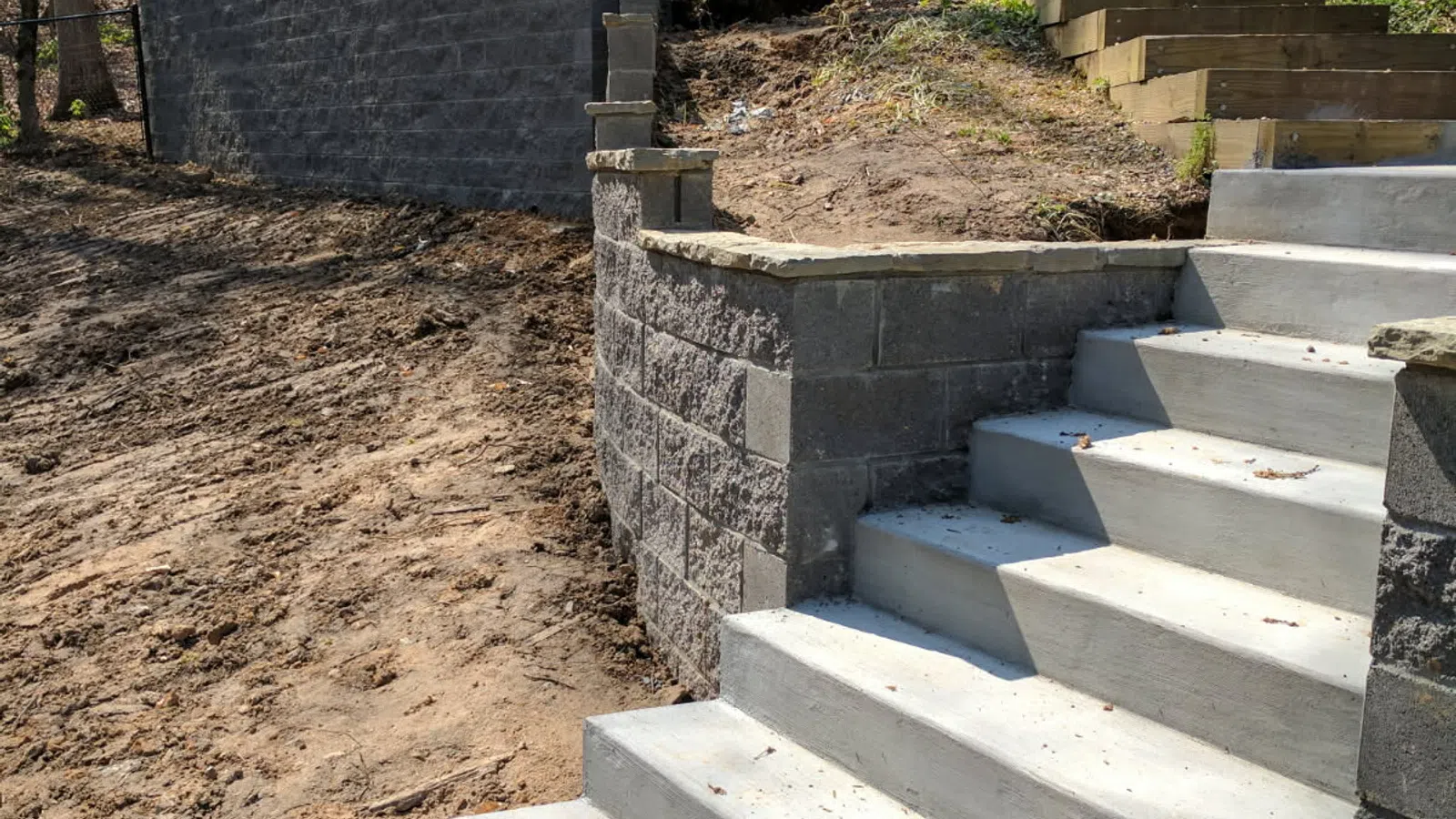
Concrete Block Retaining Walls
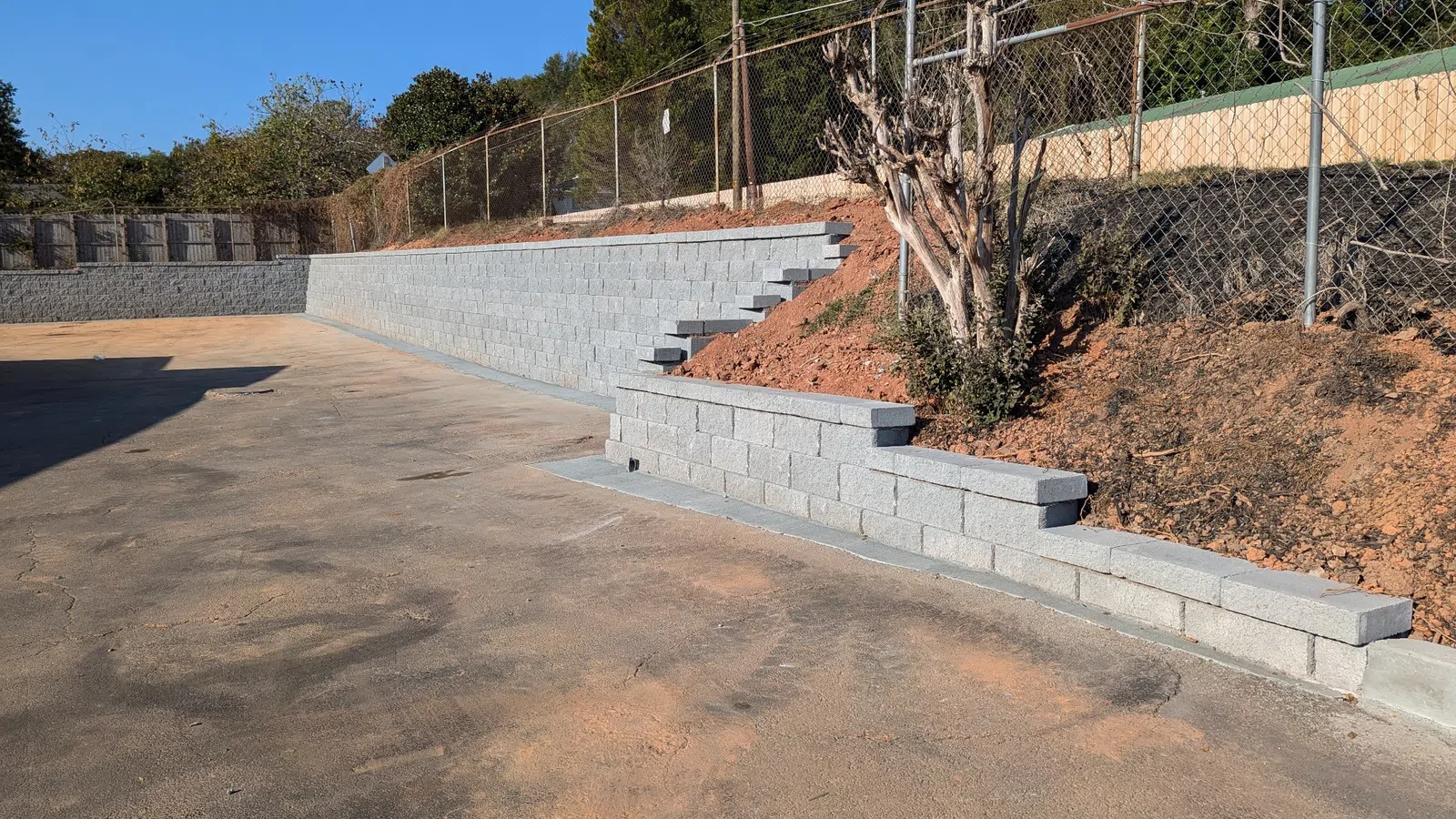
Concrete block retaining walls offer a practical combination of durability, versatility, and visual appeal.
Available in different textures and colors, block walls can work well for garden areas, terraced yards, and other landscaping projects.

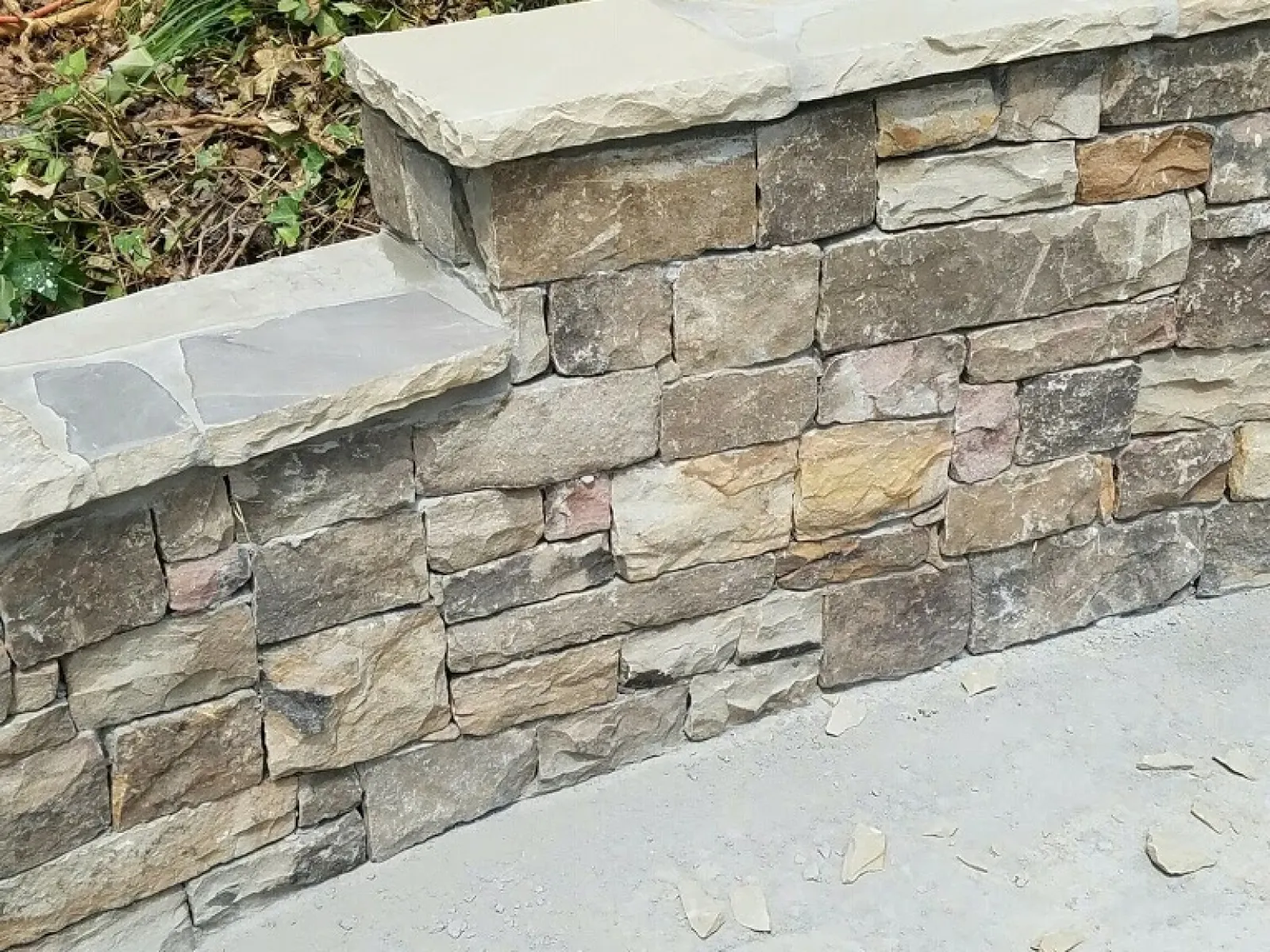
Natural Stone Retaining Walls
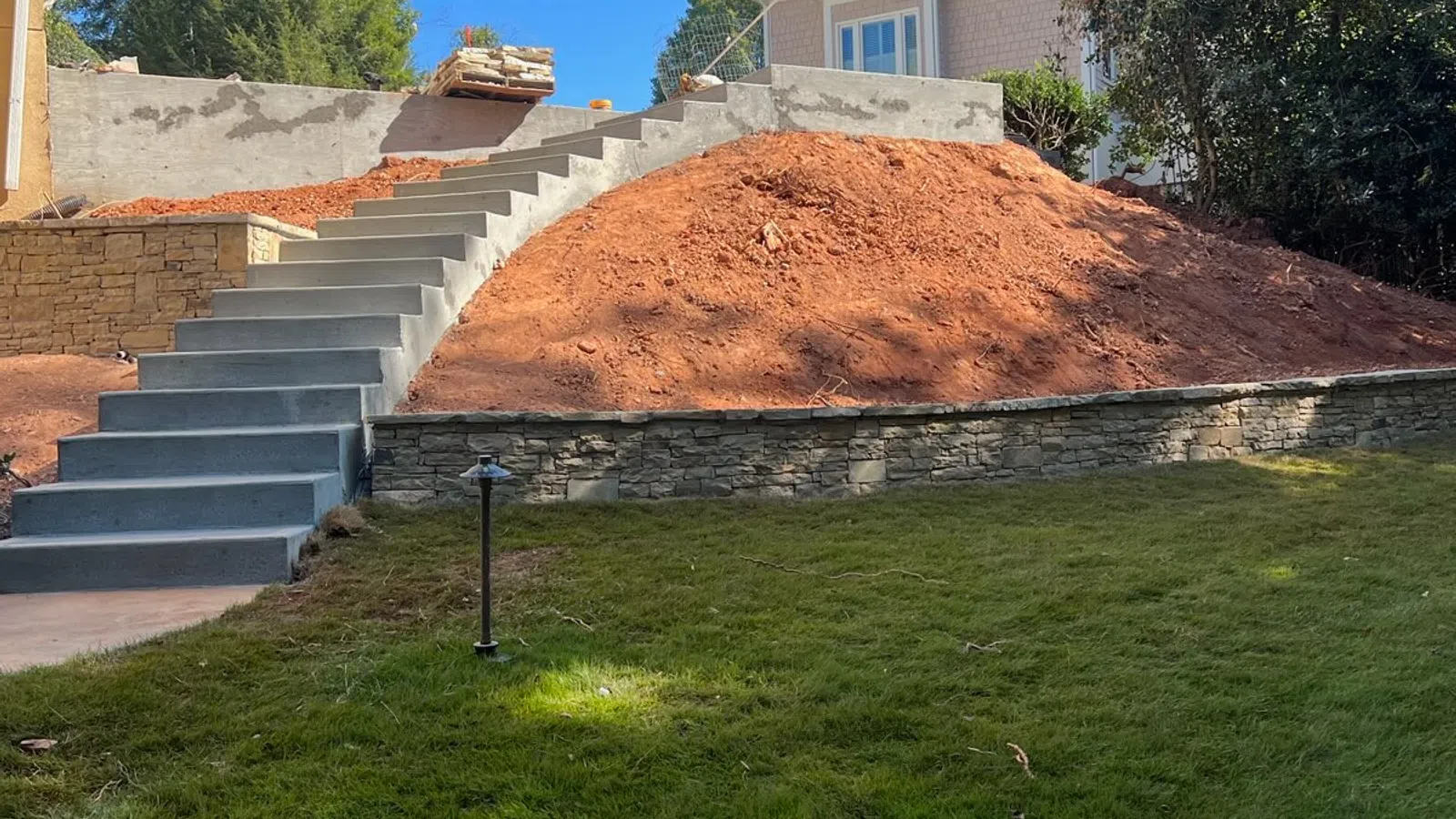
Natural stone creates a more traditional appearance that blends into many landscapes.
Stone retaining walls are often used for garden beds, terraces, and outdoor areas where the wall's appearance is an important part of the design.
Why Proper Drainage Is Essential for Retaining Walls
A retaining wall can look perfectly solid when first installed and still develop problems if water builds up behind it. As moisture accumulates in the soil, pressure against the wall increases.
Managing that pressure is an essential part of proper retaining wall construction. Depending on the wall's design and site conditions, drainage measures may include:
- Gravel Backfill: Gravel behind the wall helps water move downward rather than remain trapped against the structure.
- Drainage Pipes: A drainage pipe placed near the base of the wall can help collect and carry water away from the retained soil.
- Weep Holes and Drainage Outlets: Where the design calls for them, openings or outlets allow accumulated water to escape and reduce pressure behind the wall.
When Does a Retaining Wall Need an Engineer or Permit?
Not every retaining wall requires the same level of engineering or permitting. In Georgia, shorter retaining walls are often exempt from certain permitting requirements.
However, an engineered design is generally required when a wall retains more than approximately four feet of soil or supports additional loads, such as a driveway, parking area, or an upward-sloping area behind it.
Local cities and counties may apply different requirements or impose additional restrictions.
Before construction, it's important to understand which rules apply to your property's location and the proposed wall.
We'll discuss the relevant requirements during the planning process.
How Much Does a Retaining Wall Cost in Atlanta?
The cost of a retaining wall varies depending on the project's dimensions, materials, location, and site conditions. Several factors affect the overall cost.
- Wall Height and Length: Larger and taller retaining walls require more materials, labor, and structural preparation. Taller walls may also require additional reinforcement and engineering.
- Construction Material: Concrete block is often a more economical option, while poured concrete and natural stone may involve higher material or installation costs.
- Site Access: A retaining wall in a backyard with limited equipment access may require more labor than one in an easily accessible area.
- Soil Conditions and Drainage: Properties with unstable soil, substantial runoff, or more complicated drainage needs may require additional preparation.
- Engineering and Permits: Depending on the wall's height, location, and structural requirements, engineering and local approvals can add to the total project scope.
At Sudlow Concrete, we provide free on-site estimates with clear upfront pricing. We'll evaluate the property, discuss the available wall options, and explain the work involved before you make a decision.
What Is a Retaining Wall, and When Do You Need One?
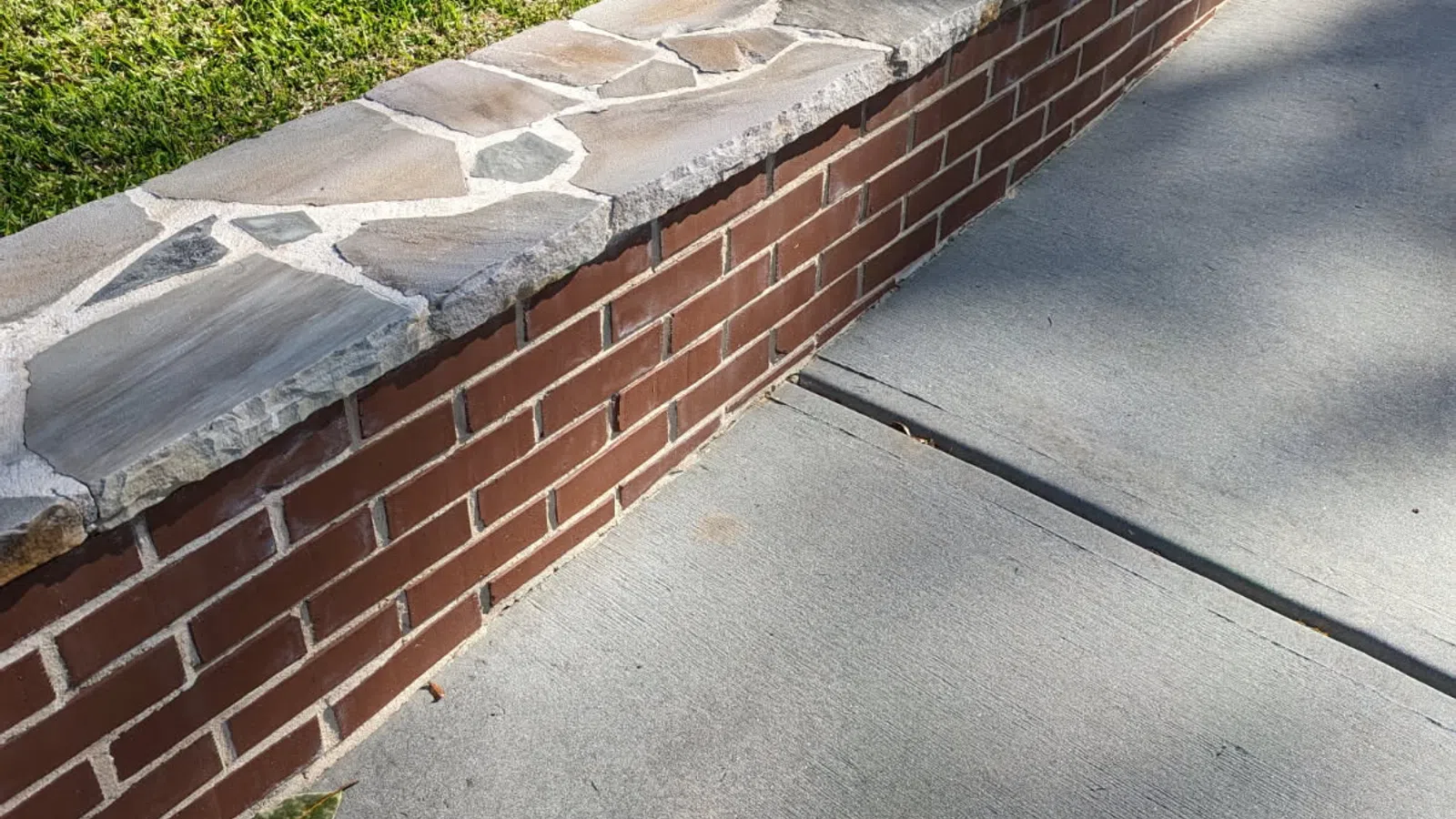
A retaining wall is a structure designed to hold soil in place where the ground changes elevation. It's often used to make sloped properties safer, more functional, or easier to maintain. Homeowners throughout Atlanta install retaining walls for several reasons.
Creating More Usable Yard Space
A steeply sloped yard can limit how much of the property you can comfortably use.
Retaining walls can create flatter terraces or defined areas for landscaping and outdoor activities.
Helping Control Erosion
When water repeatedly washes soil downhill, a retaining wall may help stabilize the affected area as part of an appropriate drainage and erosion-control plan.
Supporting Sloped Areas
Retaining walls can provide structural support where soil needs to be held back near a driveway, patio, or other improvement.
Making Room for Driveways and Parking
On properties with significant elevation changes, a retaining wall may help create additional space for a driveway or parking area.
Improving the Landscape
Retaining walls can also define garden beds, create levels within a yard, and give outdoor spaces a more organized appearance.
The key is choosing a wall design that addresses both your property's practical needs and the conditions of the surrounding soil.
Frequently Asked Questions About Retaining Walls
Q How much does a retaining wall cost in Atlanta?
The cost depends on the wall's height, length, construction material, site access, drainage requirements, and any necessary engineering. We provide free on-site estimates with clear upfront pricing.
Q How tall can a retaining wall be without an engineer?
As a general rule, walls retaining more than approximately four feet of soil often require an engineered design.
Engineering may also be necessary for shorter walls that support additional loads, such as a driveway or a slope above the wall. Local regulations vary, so we'll help identify the requirements that apply to your project.
Q How long does a concrete retaining wall last?
A properly designed, reinforced, and well-drained concrete retaining wall can last for decades.
Its lifespan depends on construction quality, soil conditions, drainage, and the loads placed on the structure.
Q What should I do about a leaning retaining wall?
Q Does Sudlow Concrete offer a warranty on retaining walls?
Yes. Every job includes a 5-year warranty covering materials and workmanship at no additional cost.
The warranty automatically transfers to a new owner if the property is sold.
Serving
Metro Atlanta & Beyond
- Marietta
- Athens
- Alpharetta
- Tucker
- Peachtree City
- Canton
- Cumming
- Dacula
- Doraville
- Duluth
- East Cobb
- Johns Creek
- Kennesaw
- Lilburn
- Norcross
- Peachtree
Corners - Powder
Springs - Roswell
- Smyrna
- Snellville
- Sugar Hill
- Suwanee
- Woodstock
- Buford
- Acworth
- Chamblee
- Dallas
- Dawsonville
- Decatur
- Douglasville
- Mableton
- Ball Ground
- Lawrenceville
- Brookhaven
- Austell
- Sandy Springs
- Stone Mountain
- Lithonia
- Grayson
- Loganville
- Ellenwood
- Winder
- Conyers