What Is Honeycomb Concrete?
Causes, Risks, and How to Prevent It
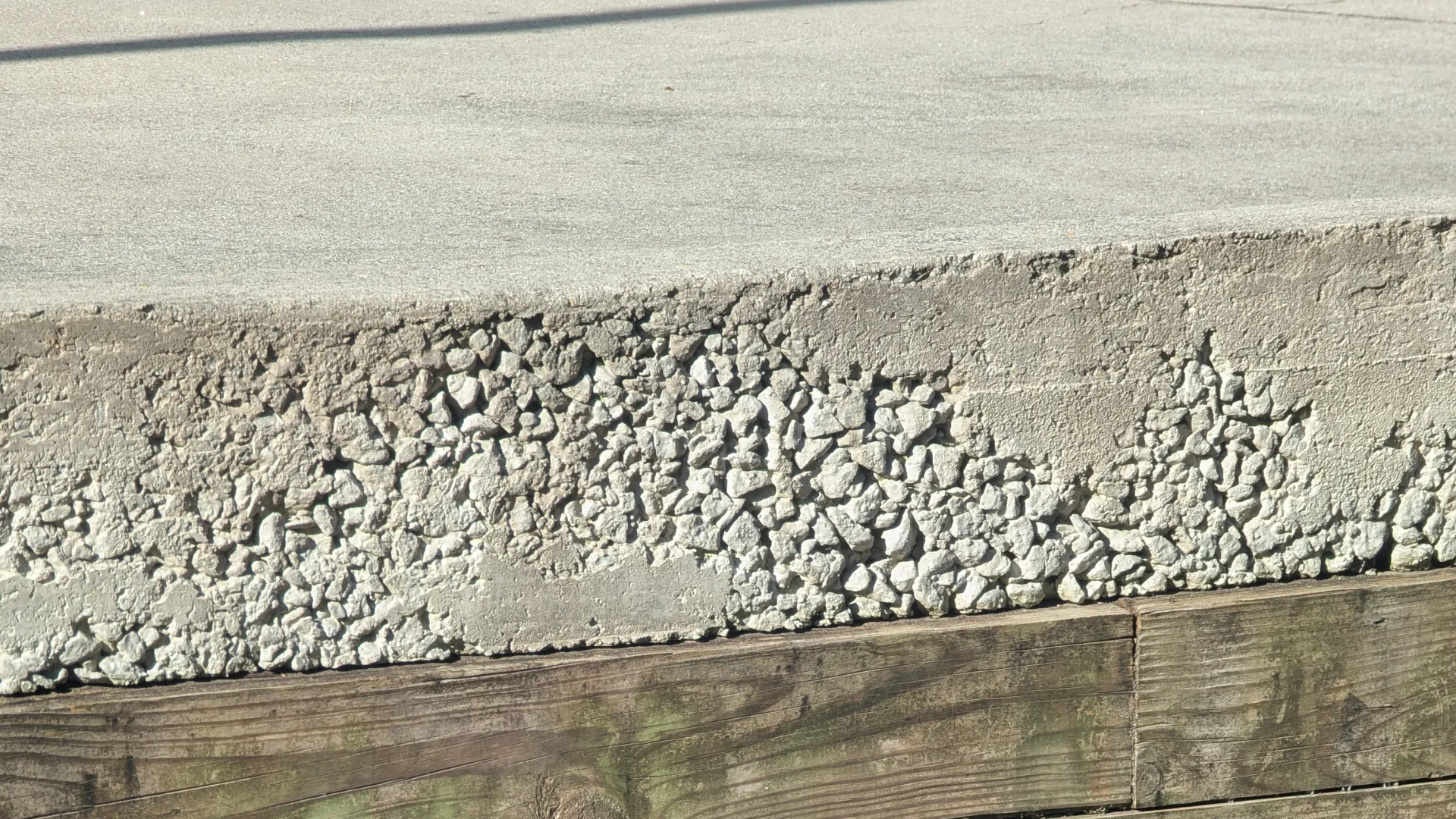
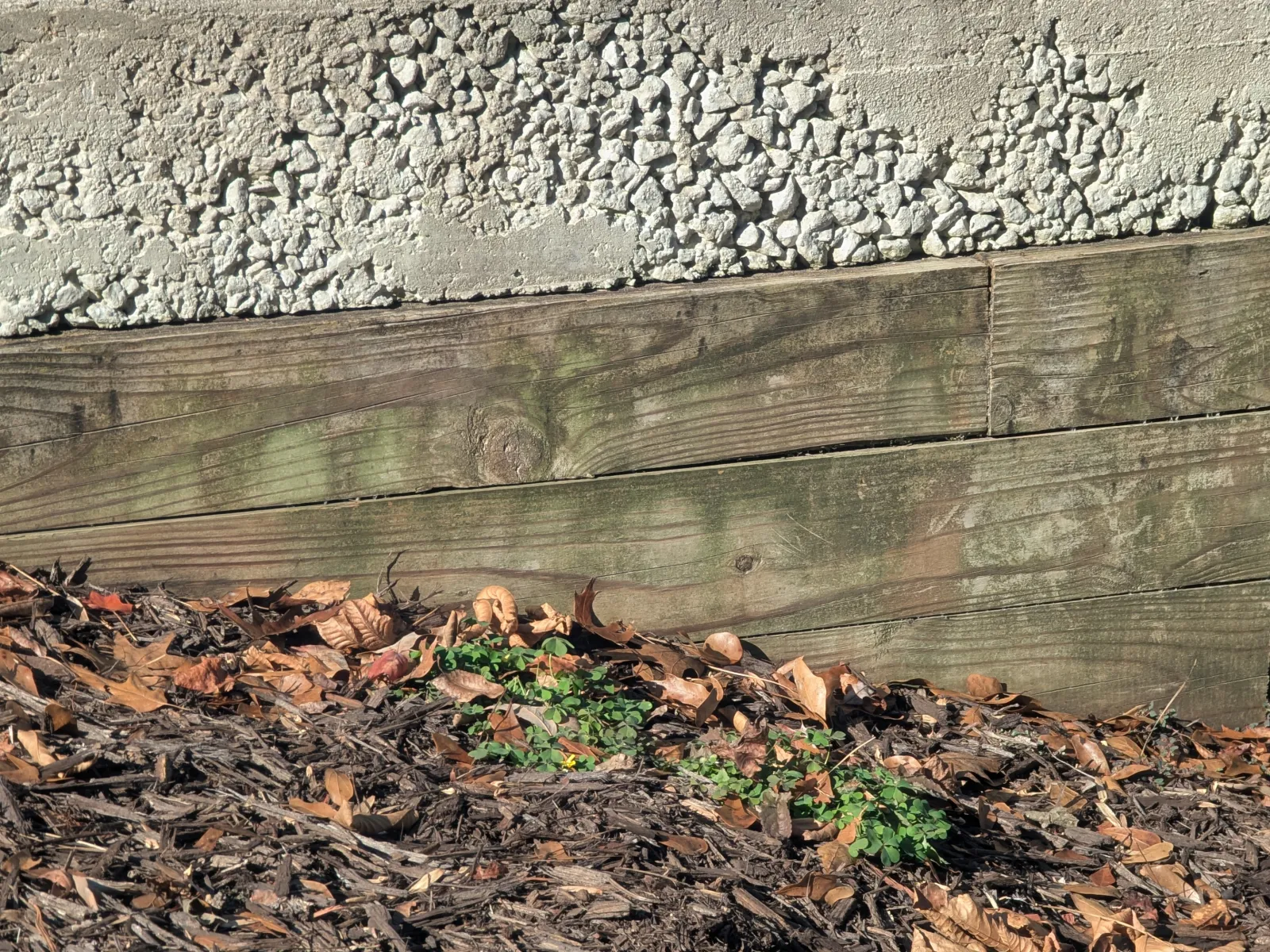
If you've ever noticed a rough, uneven pattern on concrete that looks almost like exposed stone or a honeycomb, you're looking at what's commonly called honeycomb concrete. This texture appears when small voids form within the concrete, leaving gaps where the material didn't fully settle before curing.
Honeycombing is most often visible along edges, vertical surfaces, or the sides of slabs where the concrete meets formwork. While it can sometimes be minor and cosmetic, it can also indicate underlying issues that are worth addressing.
Why Does Concrete Develop a
Honeycomb Pattern?
Concrete honeycombing happens when air pockets are trapped inside the mix and aren't properly worked out during placement. There are a few common reasons this occurs:
- Inadequate Consolidation: Concrete must be vibrated or mechanically worked to remove trapped air. Without proper consolidation, voids remain and become visible once the forms are removed.
- Poor Concrete Flow or Mix Design: A mix that's too stiff, too dry, or not properly proportioned won't flow easily into corners or around reinforcement. This can leave exposed aggregate and uneven texture.
- Formwork Challenges: Tight forms, sharp angles, or congested rebar can restrict how well concrete moves during placement. These areas are especially prone to honeycombing if extra care isn't taken.
- Improper Placement Technique: Pouring concrete from too high above the form or placing it unevenly can cause segregation, where heavier aggregate settles away from the cement paste.
Is Honeycomb Concrete a
Structural Concern?
It depends on the severity.
Shallow or isolated honeycombing is often cosmetic and can be repaired with patching compounds or surface treatments.
Deeper or widespread honeycombing may compromise strength, durability, and moisture resistance, especially in structural walls or load-bearing elements.
Left untreated, severe honeycombing can allow water intrusion, accelerate deterioration, and shorten the lifespan of the concrete.

Can Honeycomb Concrete Be Repaired?
Yes — but repairs should be based on the depth and extent of the issue.
Minor surface honeycombing can often be addressed through patching, grinding, or resurfacing. More significant cases may require professional evaluation to determine whether structural repair or reinforcement is necessary.
This is why it's important not to treat honeycombing as "just a visual issue" without understanding what's happening beneath the surface.

How Professionals Prevent Honeycomb Concrete
Preventing honeycombing comes down to proper technique and experience. Best practices include:
Using the correct concrete mix for the application
Ensuring thorough vibration and consolidation
Designing formwork that allows proper flow
Placing concrete in controlled lifts
Paying special attention to edges, corners, and vertical pours
Concrete doesn't leave much room for shortcuts — the quality of the finished product depends heavily on how it's placed and handled in real time.
Where Honeycomb Concrete Is Most Commonly Found
We've seen honeycombing show up in everything from residential foundations to commercial retaining walls. But in general, honeycombing tends to show up in specific areas more than others, including:
- Vertical foundation walls
- Retaining walls
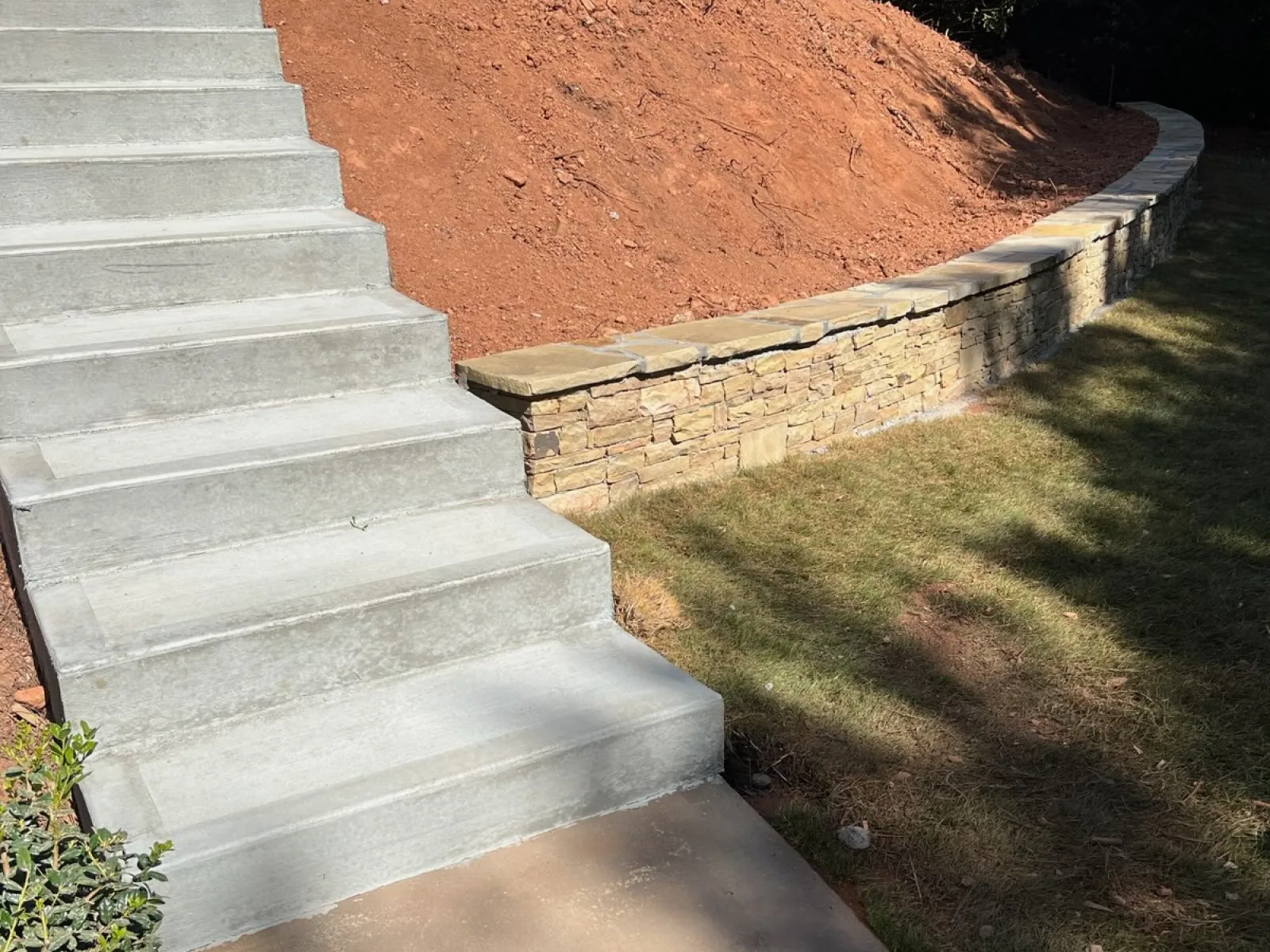
- Slab edges and steps
- Tight corners or recessed forms
- Areas with heavy reinforcement
These locations require extra attention during placement, and they're often where rushed pours or difficult access show up later.
Why Honeycomb Concrete Matters
Honeycomb concrete is a clear example of how craftsmanship matters in concrete work. While not every instance is cause for concern, visible honeycombing should never be ignored without proper evaluation.
If you're seeing this pattern on your concrete, understanding the cause is the first step toward determining whether it's a cosmetic issue or something that needs professional attention.