What Causes Concrete to Turn White?
Understanding Efflorescence
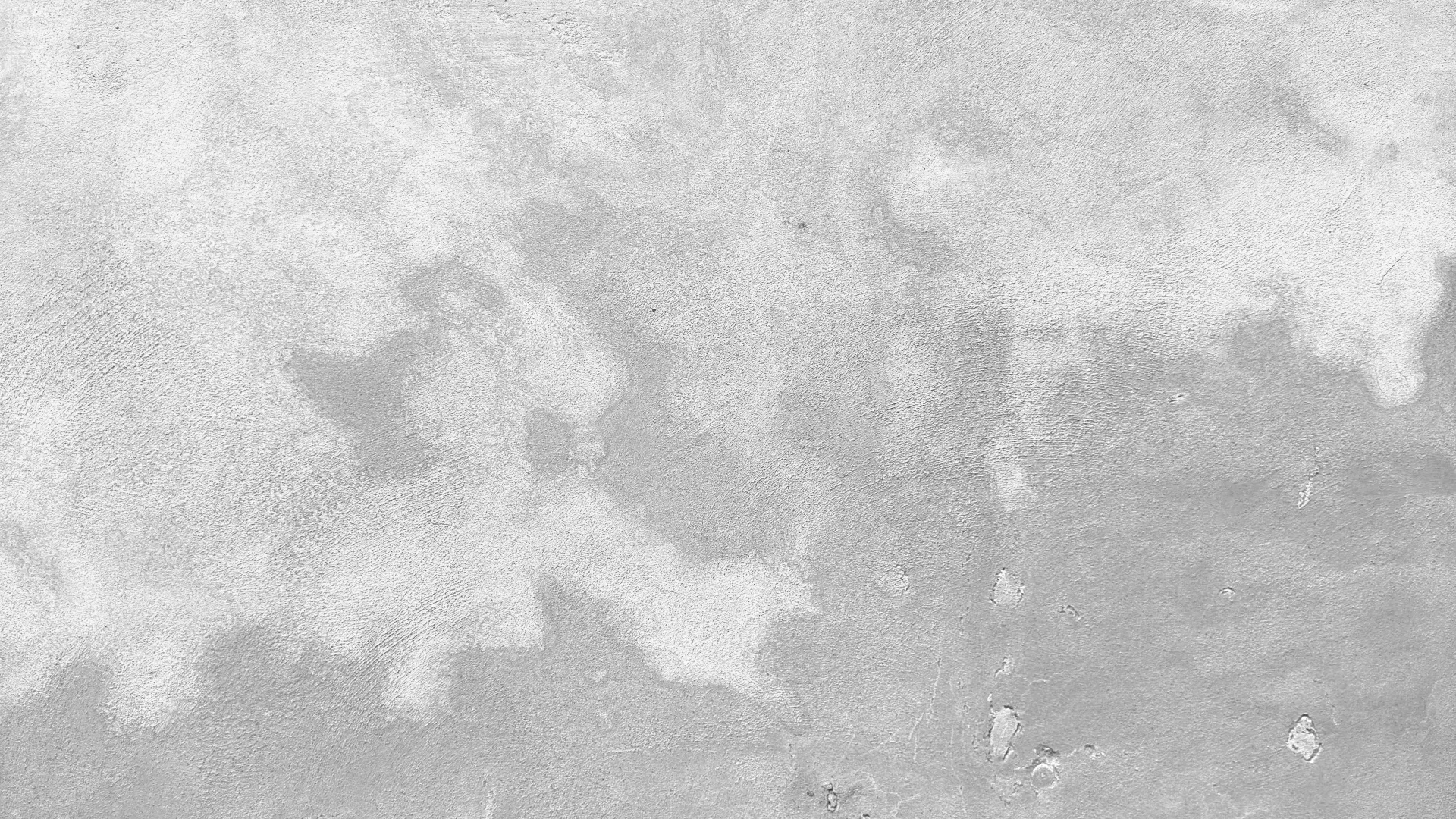
If you've noticed a white, chalky residue or "snowy" patches appearing on your driveway or retaining walls, you aren't alone. In the industry, we call this efflorescence.
It is incredibly common in the Atlanta area, but to a homeowner, it can look like the concrete is failing. The good news? It's usually a cosmetic issue—but it is a big sign that water is moving where it shouldn't.
What Exactly Is Efflorescence?
Think of concrete like a hard sponge. It contains natural mineral salts. When water (from rain or ground moisture) moves through the concrete, it dissolves those salts and carries them to the surface.
As the water evaporates in the Georgia sun, it leaves the salt behind. That white powder is essentially the "residue" of the evaporation process.
Why It's So Common in Georgia
Atlanta is the perfect breeding ground for efflorescence due to three factors:
Heavy Rainfall: Frequent storms provide the "vehicle" (water) to move the salts.
Clay Soil Moisture: Our Georgia clay holds onto water long after a storm passes, keeping the underside of your driveway or patio damp.
New Concrete: It is most common in "young" concrete (less than a year old) as the slab continues to cure and release excess moisture.
Is It a Structural Problem?
In 90% of cases, no. It is simply a mineral deposit.
However, if the white powder is accompanied by flaking concrete (spalling) or if it keeps returning in the exact same spot for years, it could indicate a deeper issue like:
Poor Grading: Water is sitting against the slab instead of draining away.
Hydrostatic Pressure: Groundwater is being forced up through the concrete.
Lack of Vapor Barrier: Common in basement floors or garage slabs.
The "Don'ts" of Removing Efflorescence
The biggest mistake homeowners make is grabbing a pressure washer and blasting the white spots with high-pressure water.
Why is this a mistake? Because you are just pushing more water into the concrete, which dissolves more salt and brings even more "white powder" to the surface a few days later. You end up in a never-ending cycle.
How to Properly Manage and Remove It
The Dry Brush Test: Often, you can simply use a stiff-bristle brush (not wire) to sweep the powder away when the concrete is bone dry.
Mild Vinegar Solution: For stubborn spots, a mix of diluted white vinegar and water can dissolve the minerals. Rinse lightly and dry the area quickly.
Fix the Source: If the white spots are near a flower bed or a downspout, redirecting that water away from the concrete is the only way to stop it for good.
Seal the Surface: Once the efflorescence is gone and the slab is dry, applying a high-quality sealer can help block the pores and keep moisture out.
When to Call Sudlow Concrete
If your concrete is turning white and starting to crumble, or if you have a retaining wall that is constantly covered in "fuzz," it's time for a professional look.
We don't just look at the surface; we look at the drainage and soil conditions. Whether you need a drainage correction or a professional-grade sealer to protect your curb appeal, we'll give you a straightforward answer.