How to Prevent Mold and Algae on Concrete
in Georgia
Why Organic Growth is a Constant Battle in Atlanta
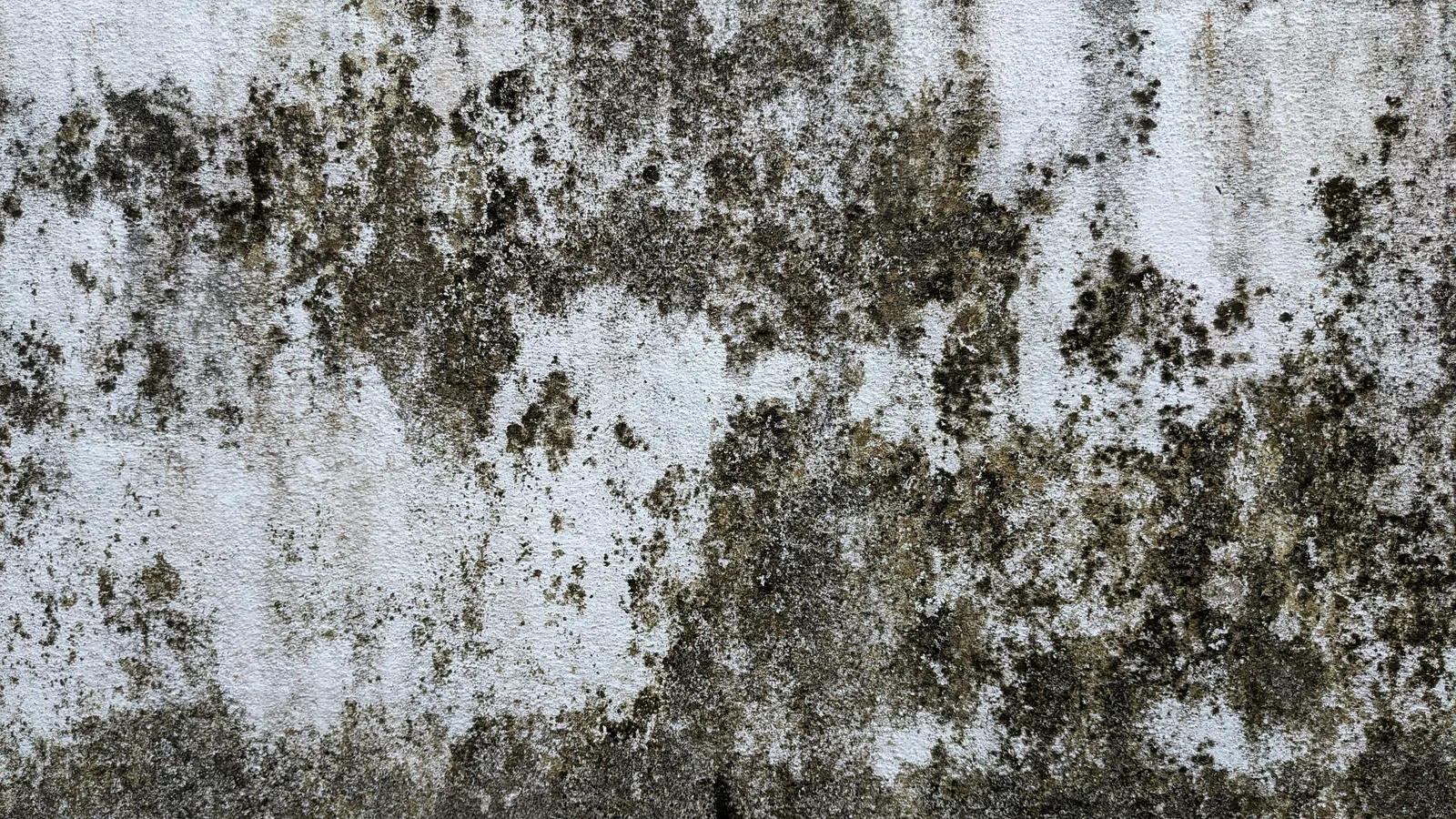
If you live in the Atlanta area, you've probably seen it: a green film on the patio, black streaks on the driveway, or a slippery walkway after an afternoon thunderstorm.
That's mold, mildew, and algae growth.
Because Georgia has high humidity, heavy rainfall, and incredible tree coverage, our concrete surfaces are prone to organic growth. At Sudlow Concrete, we don't just pour slabs; we help homeowners understand how to keep their driveways and patios looking brand new despite the Georgia climate.
Why Mold and Algae Love Concrete
Concrete is naturally porous—think of it like a hard sponge. It absorbs moisture and traps microscopic debris. When you combine that moisture with:
- Heavy Shade: Preventing the sun from drying out the slab.
- The "Yellow Pollen" Season: Atlanta's spring pollen acts as a "superfood" for algae and mold.
- Poor Drainage: Allowing water to sit in low spots.
- Dirt & Leaves: Decomposing organic matter that stains the surface.
Top 5 Ways to Prevent Mold and Algae on Your Concrete
1. Fix the Drainage (The Most Important Step): Water should never sit on concrete for more than an hour after a rain. If you notice pooling, your concrete might have settled, or the surrounding yard may need grading. At Sudlow, we specialize in correcting drainage issues to ensure water flows away from your foundation and off your slab.
2. Use a Penetrating Sealer: Unsealed concrete is an open door for moisture. We recommend a high-quality penetrating sealer. Unlike a "film-forming" sealer that sits on top, a penetrating sealer goes deep into the pores, making the concrete water-resistant from the inside out. This makes it nearly impossible for mold to take root.
3. The "Spring Sweep" (Pollen Management): Once the yellow pine pollen settles in Atlanta, don't let it sit. If it rains on top of thick pollen, it creates a nutrient-rich "sludge" that leads to instant algae growth. A simple weekly rinse during March and April can save you hours of pressure washing later.
4. Trim Back Overhanging Trees: Algae thrives in the shade. If your driveway is under a heavy canopy, it stays damp long after the sun comes out. Trimming back limbs allows sunlight to reach the concrete, which acts as a natural (and free) disinfectant.
5. Avoid "Aggressive" Pressure Washing: Many homeowners blast their concrete with high-pressure water every year. This actually opens up the pores of the concrete even more, making it easier for mold to grow back next time. Instead, use a "soft wash" approach with a mild cleaning solution to kill the spores without damaging the surface.
Is Mold on Concrete Dangerous?
While mold and algae rarely cause structural damage to the concrete itself, they create a major safety hazard.
- Slippery Surfaces: Wet algae is as slick as ice, making it dangerous for pool decks and walkways.
- Curb Appeal: Black streaks (often a hardy type of algae called Gloeocapsa magma) can drastically lower your home's value.
- Allergies: For those sensitive to mold, a driveway covered in organic growth can contribute to seasonal discomfort.