How Is Concrete Made? A Step-by-Step Process

Concrete is one of the most widely used building materials in the world — and for good reason. It's strong, durable, versatile, and able to withstand everything from heavy vehicles to shifting soil and changing weather. But have you ever wondered: how is concrete made?
Whether you're planning a new driveway, patio, retaining wall, or foundation project, understanding how concrete is made can help you appreciate the importance of proper mixing, installation, and curing.
At Sudlow Concrete, we've spent years perfecting concrete installations across Metro Atlanta. In this guide, we'll walk you step-by-step through what concrete is, what it's made of, how it's mixed, and what makes some concrete last decades while other slabs crack early.

1. Gathering the Key Ingredients
Concrete is made from three main components:
- Cement
Cement is the binder — the ingredient that holds everything together. Most modern concrete uses Portland cement, made by heating limestone, clay, and other minerals in a kiln at extremely high temperatures.
When mixed with water, cement forms a paste that coats the aggregates and hardens over time.
- Aggregates
Aggregates make up 60-75% of the concrete mixture and give it structure.
The two types of aggregates are: Fine aggregates (sand) and Coarse aggregates (gravel, crushed stone, or recycled concrete). Aggregate size and proportion play a big role in the strength and finish of the final product.
- Water
Water activates the cement and allows hydration to occur. The amount of water determines:
Strength
Durability
Workability
Cure time
Too much water weakens concrete. Too little water limits hydration and makes the mix dry and crumbly. Getting the ratio right is critical.
2. The Mixing Process
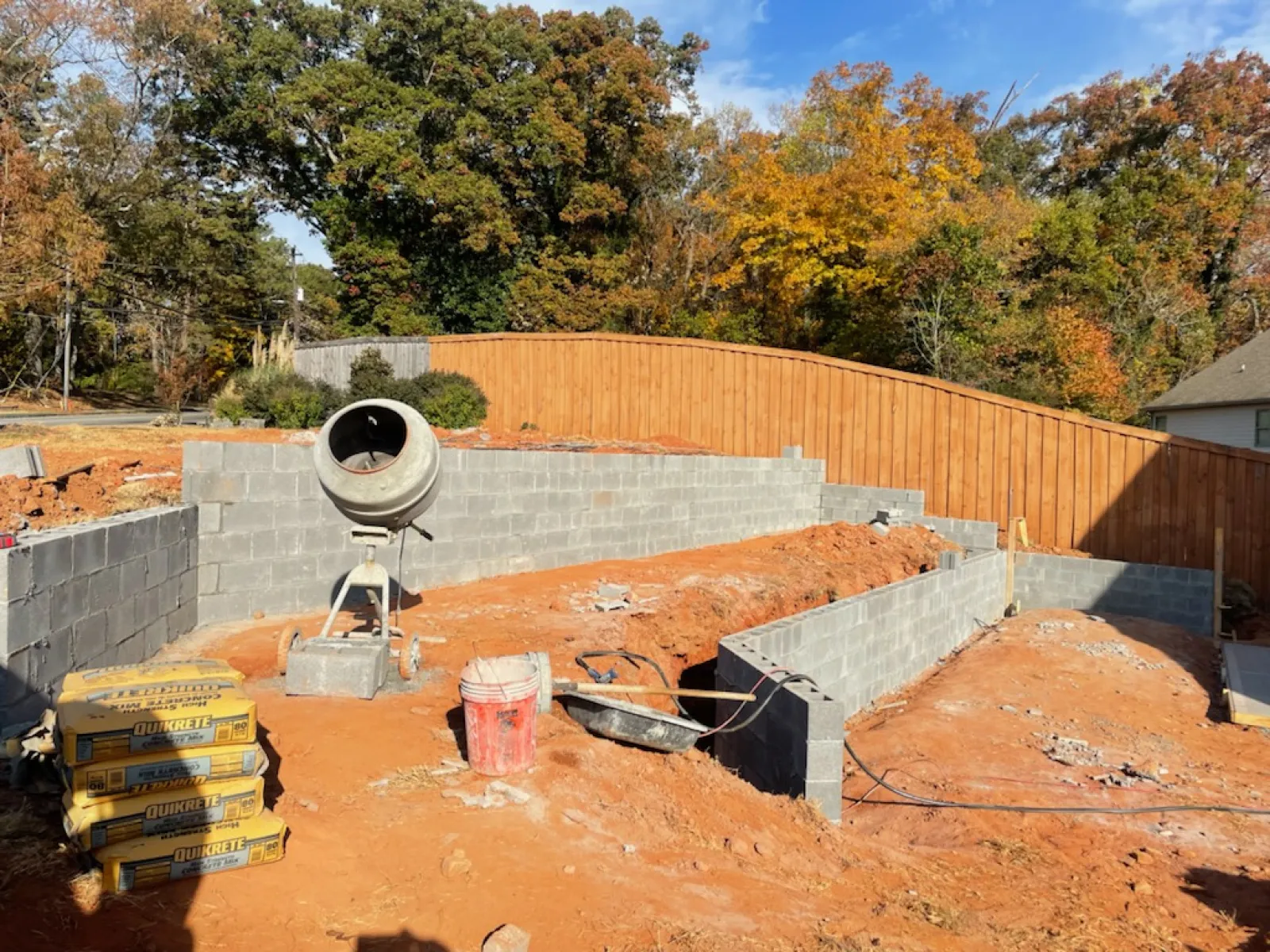
Once all ingredients are gathered, they're mixed together to form fresh concrete — either on-site or at a batching plant.
How Mixing Works:
Aggregates are added first.
Cement powder is added and coats the aggregate.
Water is added gradually.
The mixture is rotated or blended until smooth and uniform.
This creates the familiar gray, stone-like mixture used to build patios, driveways, and walls.
Ready-Mix Concrete
Most residential projects use ready-mix concrete, delivered by a concrete truck. The advantage is:
Consistent quality
Proper ratios
Convenient bulk delivery
Less room for error
At Sudlow Concrete, we work with trusted suppliers to ensure every pour uses premium, correctly mixed concrete.
3. How Concrete Hardens
Once concrete is mixed, a powerful chemical process begins.
Hydration Explained
Hydration is the chemical reaction between cement and water. It forms microscopic crystals that interlock and grow stronger over time.
Hydration:
Begins immediately when water is added
Continues for days or weeks
Can continue slowly for years
This is why concrete:
Must stay moist during early curing
Becomes stronger over time
Performs best when installed in the right temperature and humidity conditions
4. Pouring And Placing the Concrete
After mixing, fresh concrete is poured into the prepared area.
Before pouring, the crew must:
Excavate the ground
Compact the base
Install forms
Add reinforcement (rebar or mesh)
Ensure proper drainage and slope
These steps ensure the concrete will be stable, long-lasting, and resistant to cracking.
Placement Techniques
During pouring, the installer:
Guides the concrete into place
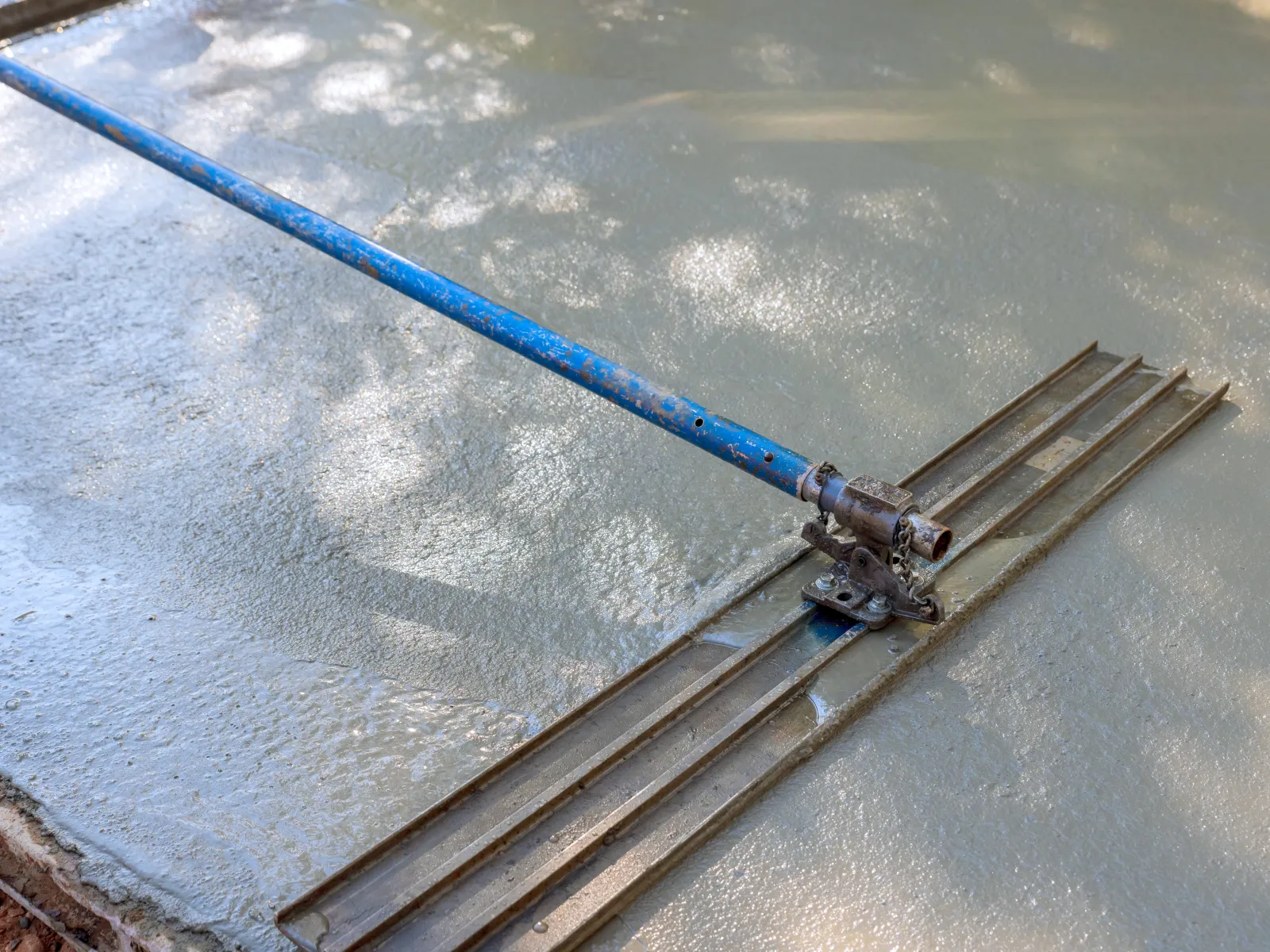
Levels it with a screed
Removes air pockets by rodding or vibrating
Smooths the surface
A poor pour leads to voids, weak spots, or uneven surfaces.
5. Finishing the Surface
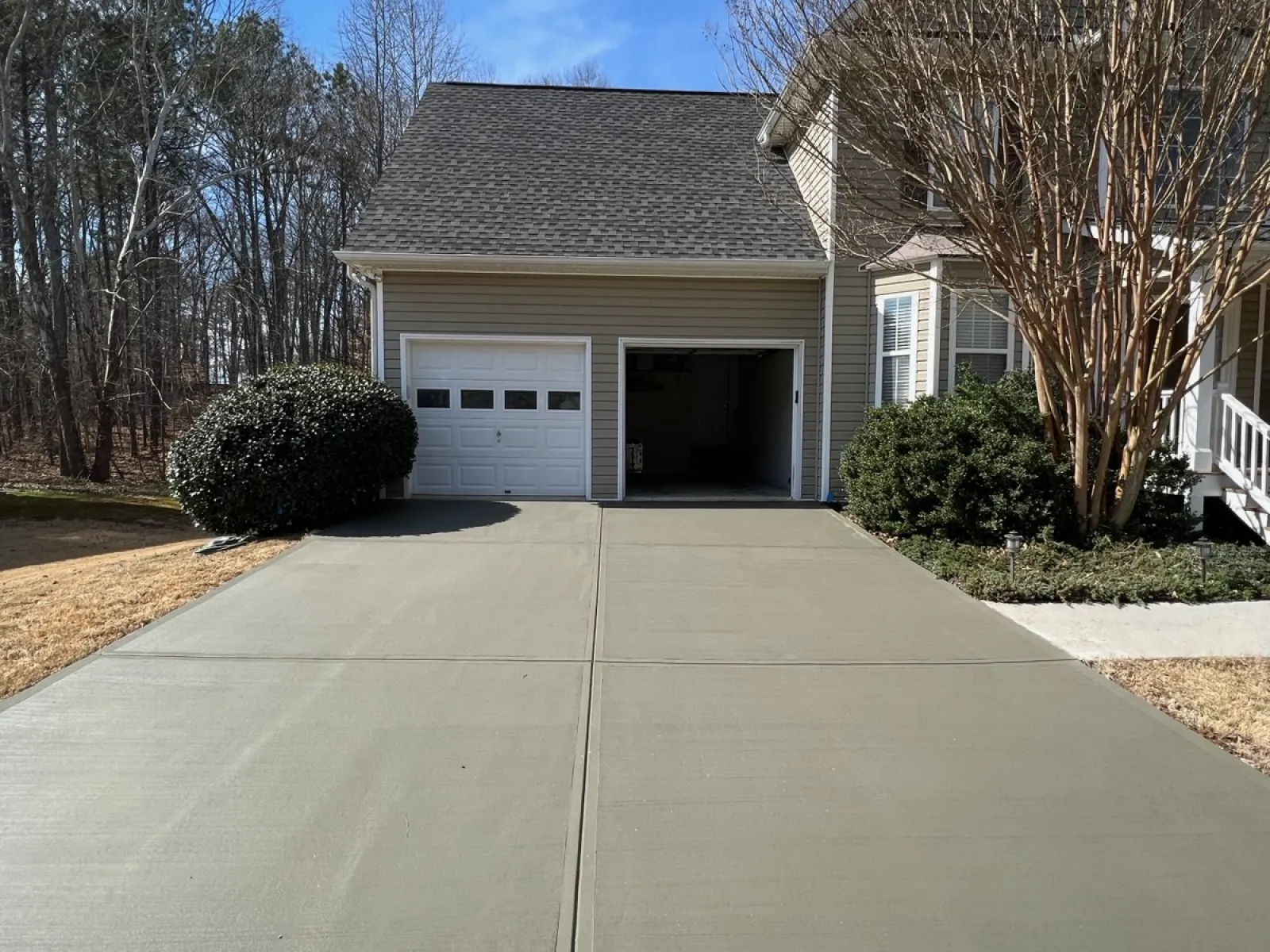
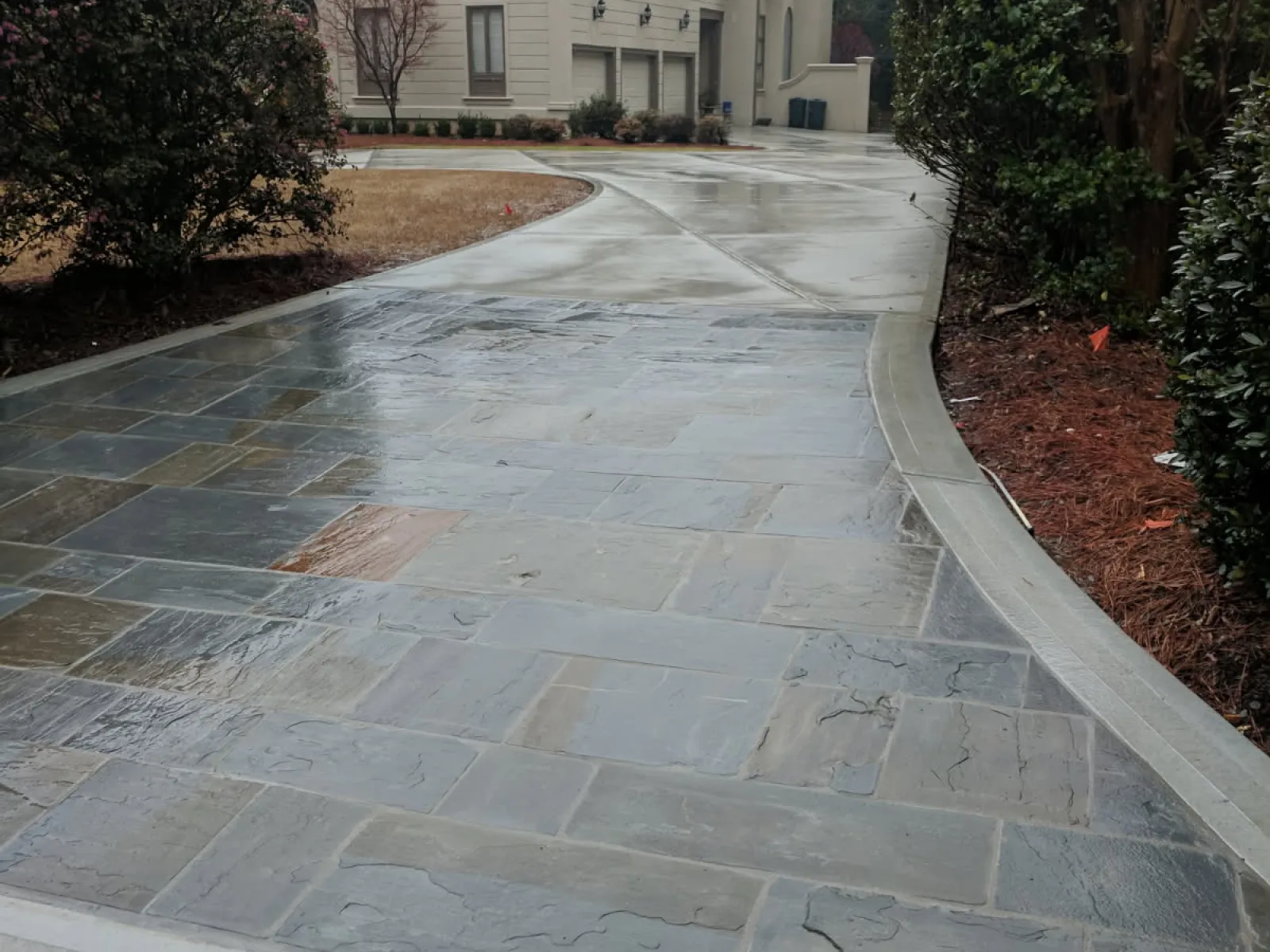
Finishing gives concrete its final appearance and texture. Techniques include:
Broom finish
A lightly brushed texture for slip resistance—popular for driveways and walkways.
Trowel finish
Smooth, polished appearance—often used for slabs or indoor spaces.
Stamped finish
A decorative technique that makes concrete look like:
Stone
Brick
Wood
Slate
Exposed aggregate
A natural, textured finish with visible pebbles.
Each finish affects traction, appearance, and maintenance needs.

6. Curing: The Most Critical Step in Concrete Strength
Concrete does not dry — it cures.
Curing allows hydration to continue slowly and steadily, creating maximum strength and durability.
Typical curing timeline:
24-48 hours: walkable
7 days: partial strength
28 days: full strength (~4,000 PSI for driveways)
During curing, concrete must be kept:
Moist
Covered when necessary
Protected from rapid heat or cold
Shielded from heavy loads
If curing is rushed, concrete can crack prematurely or become weaker than intended.
Why curing matters so much
Proper curing:
Prevents cracking
Ensures long-term durability
Helps concrete resist weather changes
Makes surfaces more resilient to impact and wear
This is one of the biggest areas where DIY projects often go wrong.
7. Reinforcement
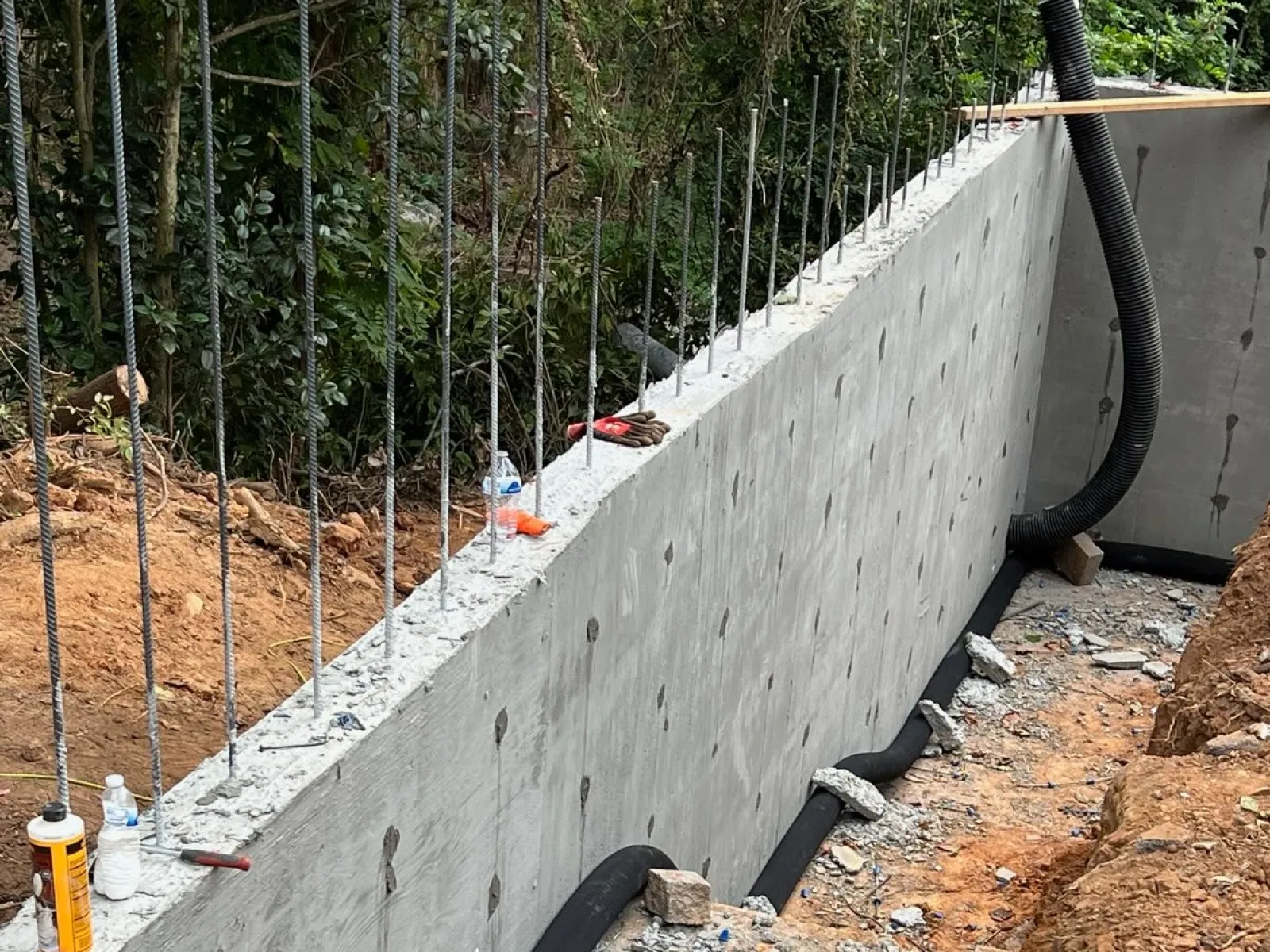
Concrete is strong under compression but weaker under tension. Reinforcement helps balance this.
Common reinforcements:
Steel rebar
Welded wire mesh
Fiber additives
Driveways, retaining walls, patios, and structural slabs almost always require reinforcement.
Why Proper Concrete Installation Matters
Even if you know how concrete is made, the quality of the final product depends on:
Soil preparation
Accurate mixing
Correct water ratio
Proper reinforcement
Good pouring technique
Finishing skills
Consistent curing
When any step is skipped or rushed, the lifespan of the concrete is dramatically reduced.
At Sudlow Concrete, we follow industry-best practices for every pour to ensure long-term strength and performance. Whether you're planning a new driveway, patio, retaining wall, sidewalk, or drainage solution, working with an experienced, skilled concrete contractor ensures your investment lasts for decades.
If you're ready to start your next project, Sudlow Concrete is here to help with expert installation and long-lasting results.