What to Look for in a Concrete Contractor
When you're investing in concrete work — whether it's a driveway, patio, retaining wall, sidewalk, or foundation repair — choosing the right contractor can make all the difference. Quality concrete work lasts for decades, while poorly done work can crack, shift, and create expensive problems down the road.
But how do you know you're hiring the right professional? And before you even begin evaluating companies, it helps to understand what a concrete contractor is and what they actually do.
At Sudlow Concrete, we've served homeowners across Metro Atlanta for years, so we know exactly what separates an exceptional concrete contractor from the average one. This guide will walk you through what to look for in a concrete contractor, the qualifications that truly matter, red flags to avoid, and how to choose someone who will do the job right the first time.
What Is a Concrete Contractor?
A concrete contractor is a trained professional who specializes in working with concrete — including its placement, finishing, repair, replacement, and long-term maintenance. Concrete contractors handle everything from excavation and grading to pouring, finishing, curing, and sealing concrete.
A reputable concrete contractor is responsible for:
Evaluating soil and ground conditions
Preparing the site (excavation, grading, base installation)
Choosing the correct concrete mix (based on strength, PSI, and climate)
Pouring, forming, and leveling concrete
Applying finishing techniques
Ensuring proper curing to prevent cracking
Installing reinforcements (rebar, mesh, footings)
Building structures like retaining walls, driveways, patios, sidewalks, and more
Concrete looks simple once it's done, but the work behind it is technical, precise, and requires experience. Poor installation can lead to drainage issues, cracks, settling, or premature failure — which is why choosing the right contractor is essential.
Why Choosing the Right Concrete Contractor Matters
Concrete is a long-term investment. A properly installed driveway, retaining wall, or slab can last 20-50+ years. A poorly installed one might fail within months.
The quality of your contractor determines:
How long the concrete lasts
Whether cracks develop
Whether drainage is handled correctly
How the surface looks
Whether warranties are honored
Whether the project complies with local codes
Hiring the right professional protects your home, your budget, and your peace of mind.
1. Experience With Your Specific Type of Project
Concrete is not one-size-fits-all. A contractor may pour driveways but have little experience with retaining walls, drainage channels, or foundation work.
Look for contractors with proven experience in:
Retaining walls
Driveway installation or replacement
Concrete repair
Slabs and foundations
Walkways and patios
Drainage correction
Concrete demolition and replacement
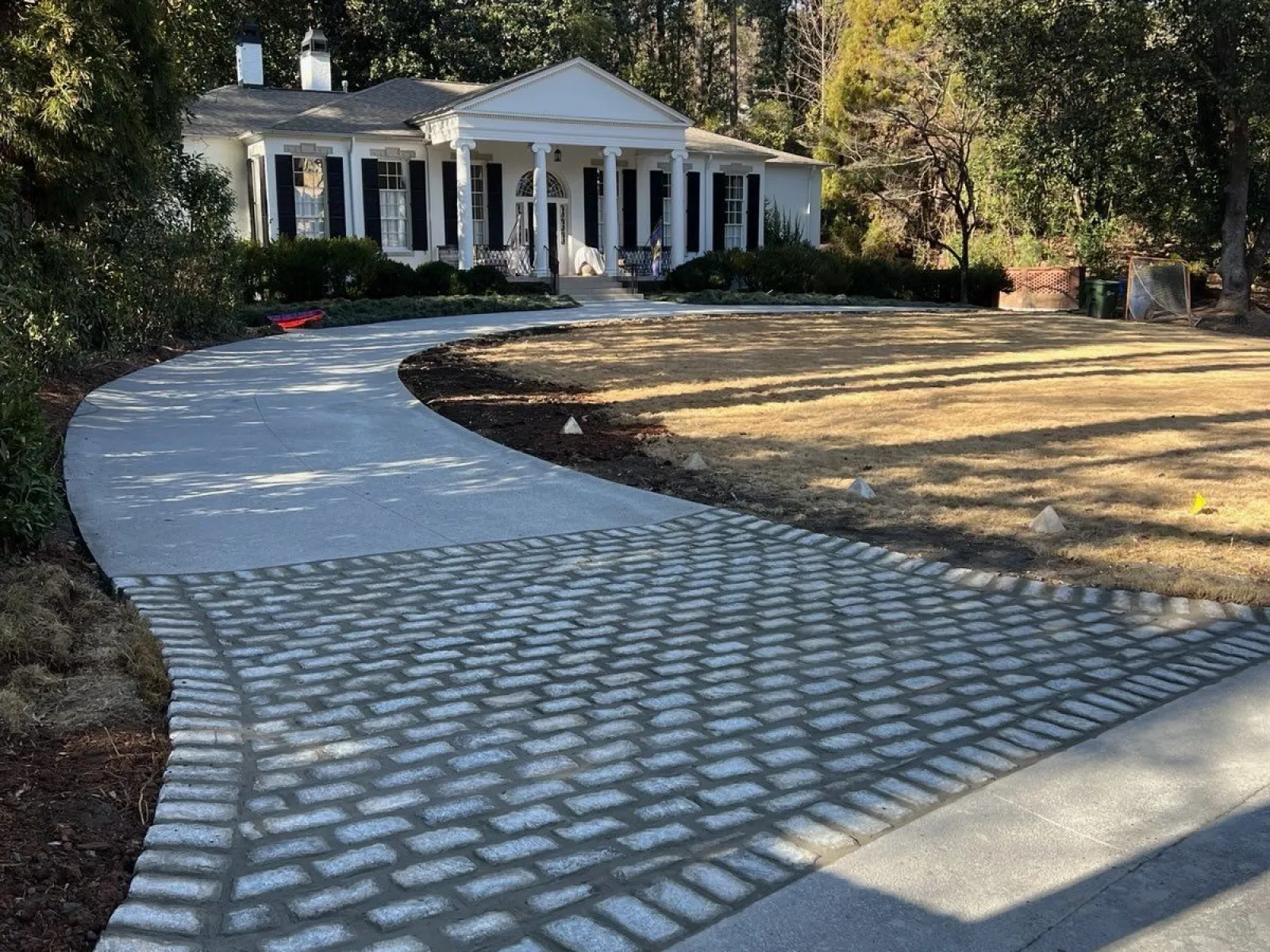
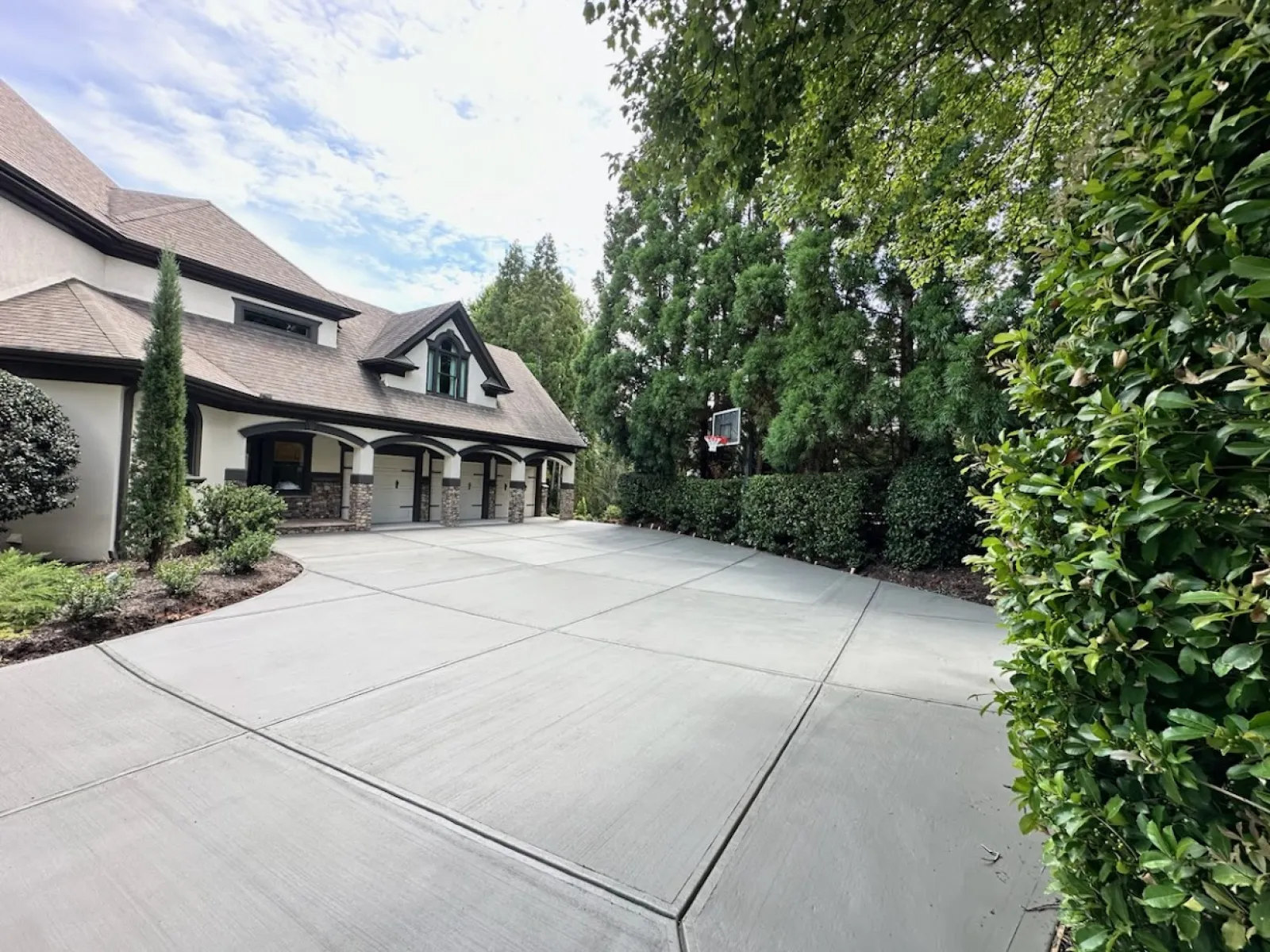
Ask to see photos of past projects or confirm how often they complete work similar to yours.
2. Proper Licensing & Insurance
Any reputable concrete contractor should have:
General liability insurance
Workers' compensation coverage (if they have a crew)
Required local or state licensing
Up-to-date permits for your project (when necessary)
This protects you from liability, property damage, and project risks.
Red flags:
✘ "We don't need a permit."
✘ "We can do the job without insurance to save you money."
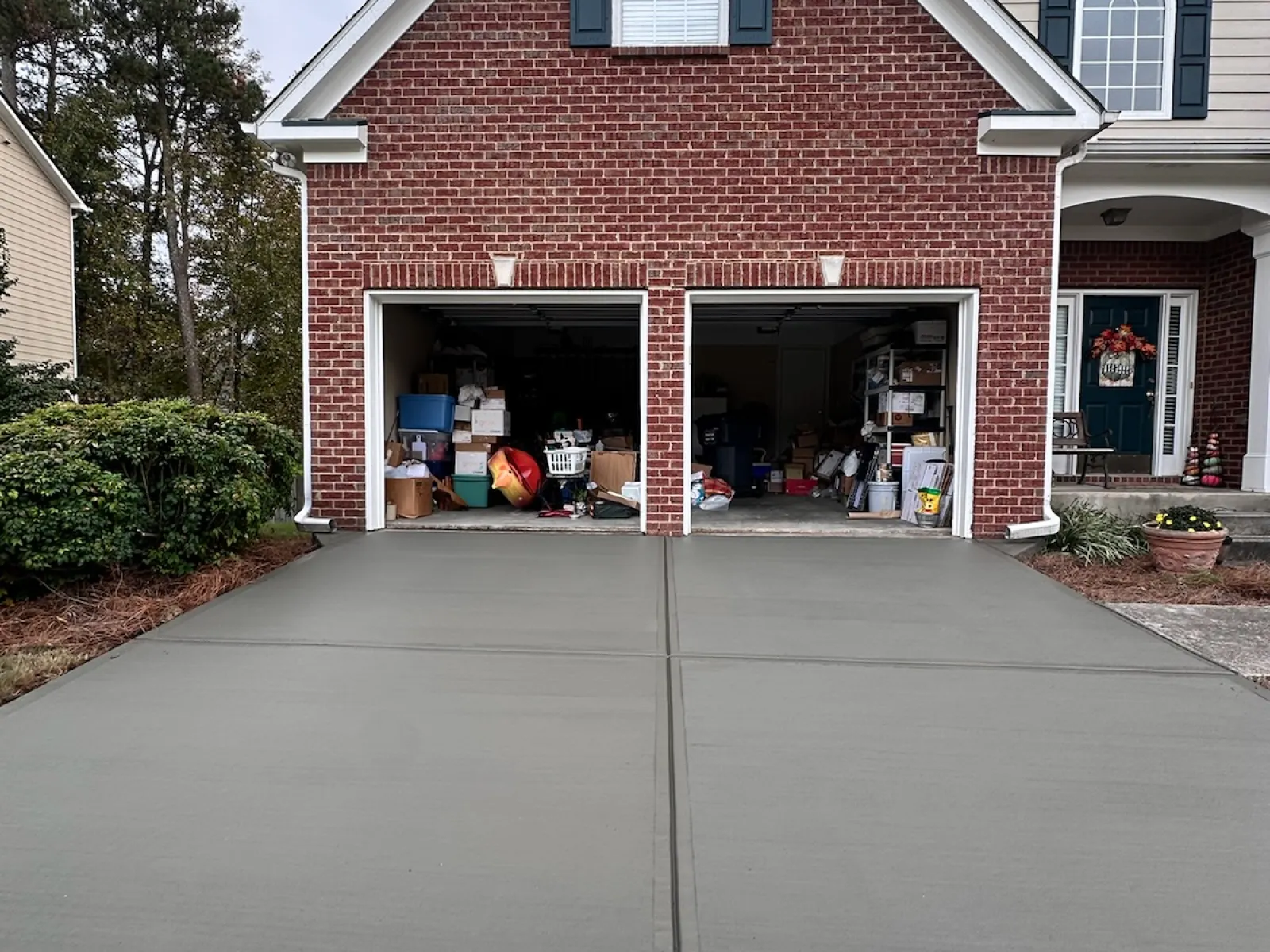
A trustworthy professional is always transparent about licensing and coverage.
3. A Strong Reputation & Verified Reviews
Look for contractors with:
High ratings on Google, Nextdoor, Angi, or Yelp
Consistent positive feedback (not just a few isolated reviews)
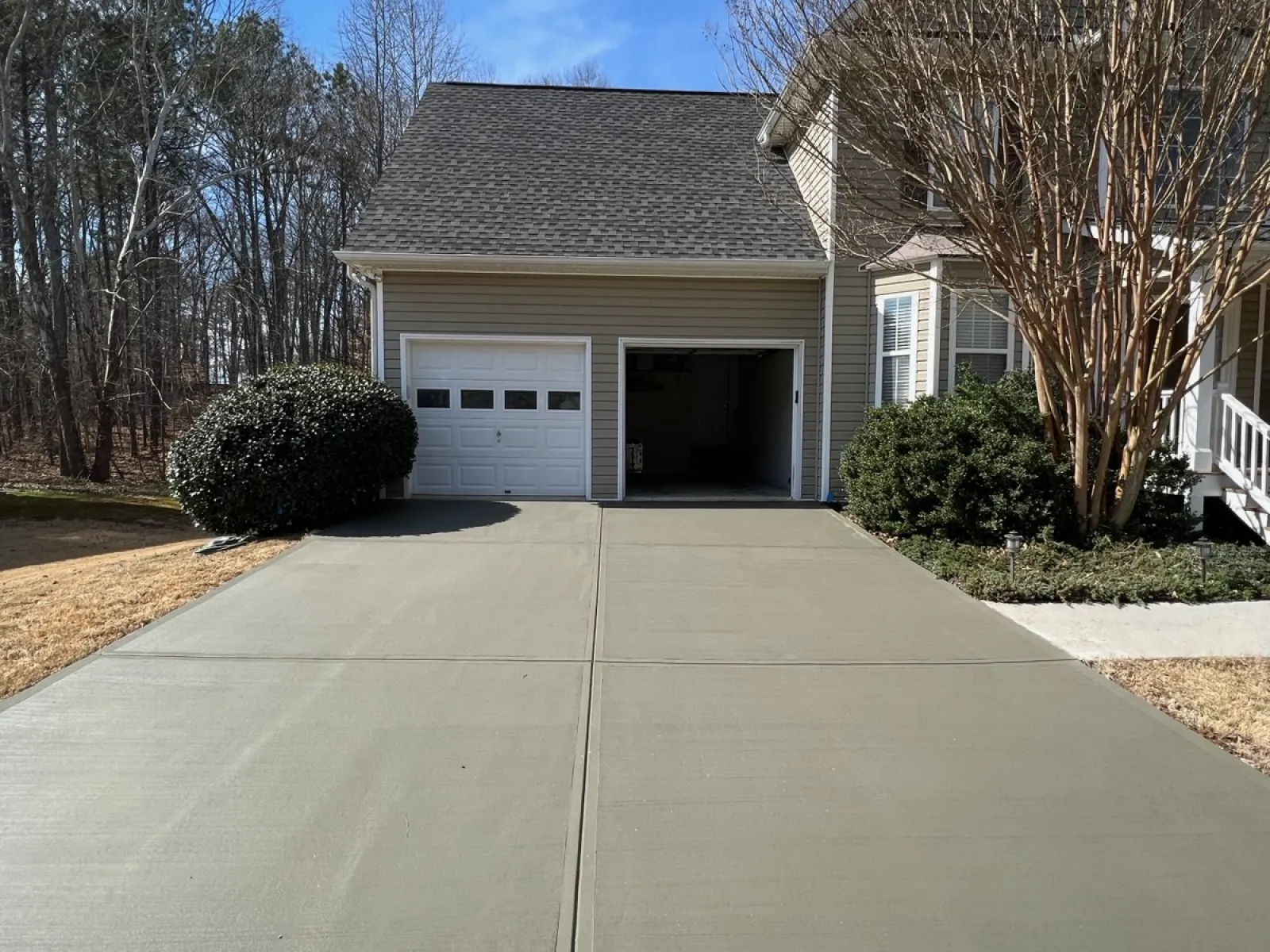
Before-and-after photos
Clear customer service patterns
Equally important: how a company responds to negative reviews. Professional responses show accountability and transparency.
You can also ask for:
References from recent customers
Addresses of local projects you can drive past
A reliable concrete contractor will have hundreds of successful installations to point to.
4. Detailed Transparent Estimates
A good concrete contractor provides an estimate that clearly outlines:
Material costs
Labor
Thickness of the concrete
PSI or strength of the concrete mix
Reinforcement materials
Prep work (grading, demolition, base, drainage)
Timeline
Cleanup
Warranty terms
Cheap or vague quotes often mean shortcuts — and shortcuts lead to cracking, settling, and long-term cost.
Be cautious of:
One-line quotes with no details
Contractors who push you to "pay cash today"
Prices significantly lower than other bids
With concrete, you get what you pay for.
5. Knowledge of Proper Installation Techniques
When interviewing a contractor, ask questions like:
How thick will the concrete be?
What reinforcement will you use (rebar or mesh)?
How do you handle drainage?
What mix and PSI will you use?
How do you ensure proper curing?
Will you compact the base before pouring?
How will you prevent cracks?
The contractor should be able to explain their process clearly and confidently.
For example, concrete driveways in Atlanta typically require:
4-6 inches of thickness
A compacted gravel base
3,000-4,000 PSI concrete
Reinforcement mesh or rebar
Proper slope for drainage
If they can't answer basic questions, choose someone else.
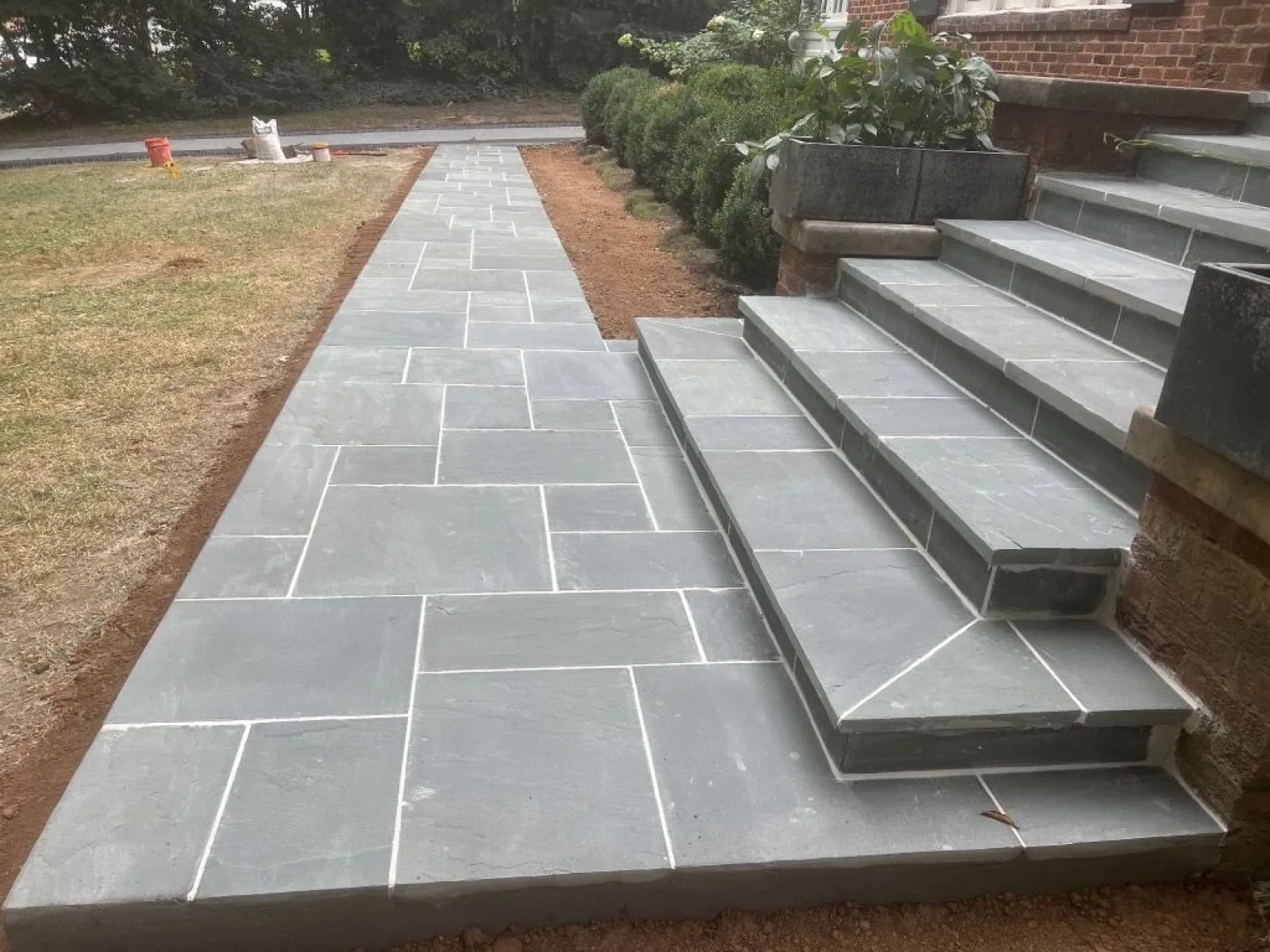
6. A Portfolio of REAL Work (Not Stock Photos)
Trustworthy contractors have real examples of their own work, such as:
Driveway replacements
Retaining wall installations
Concrete patio pours
Slab foundations
Decorative finishes
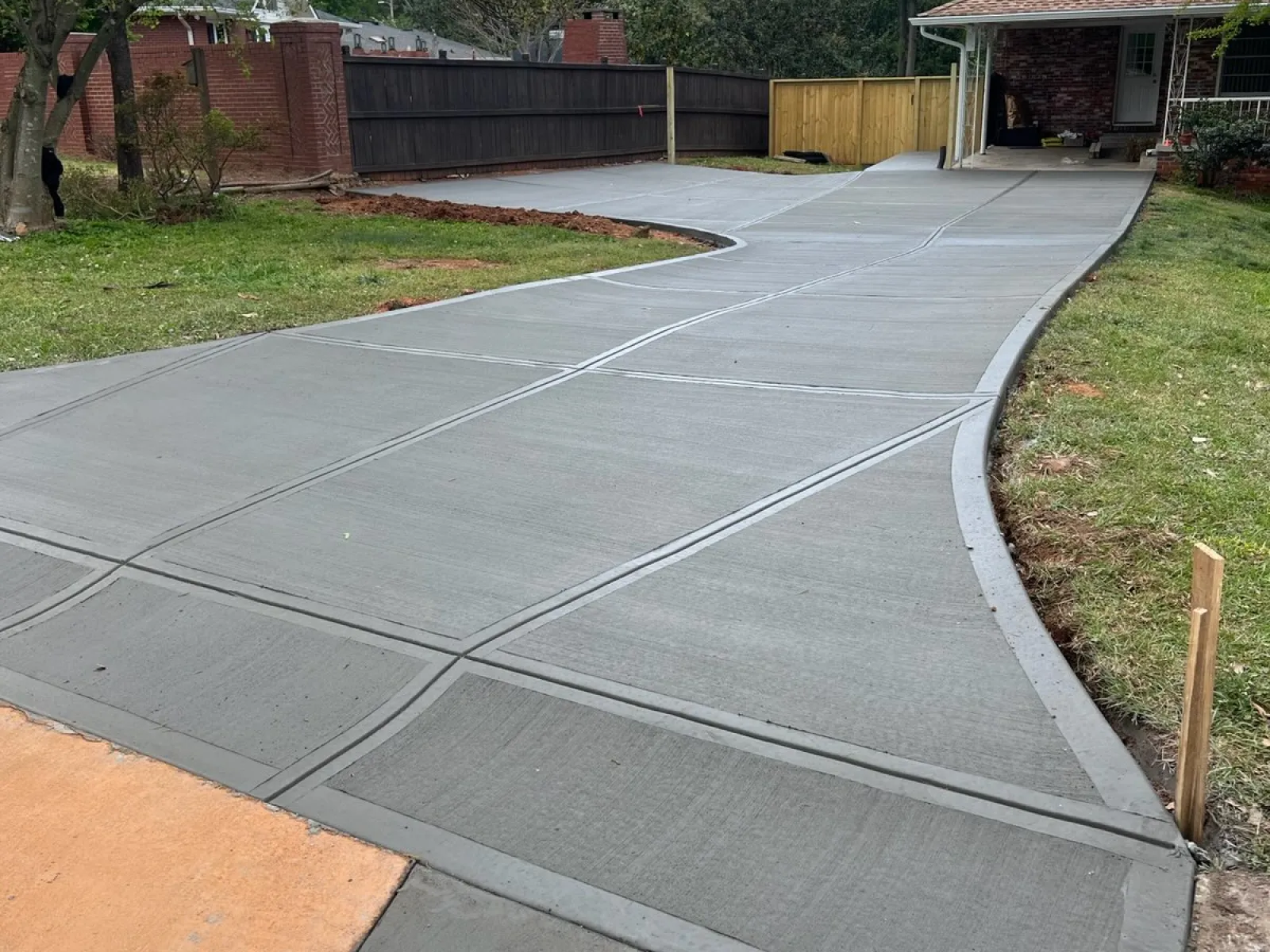
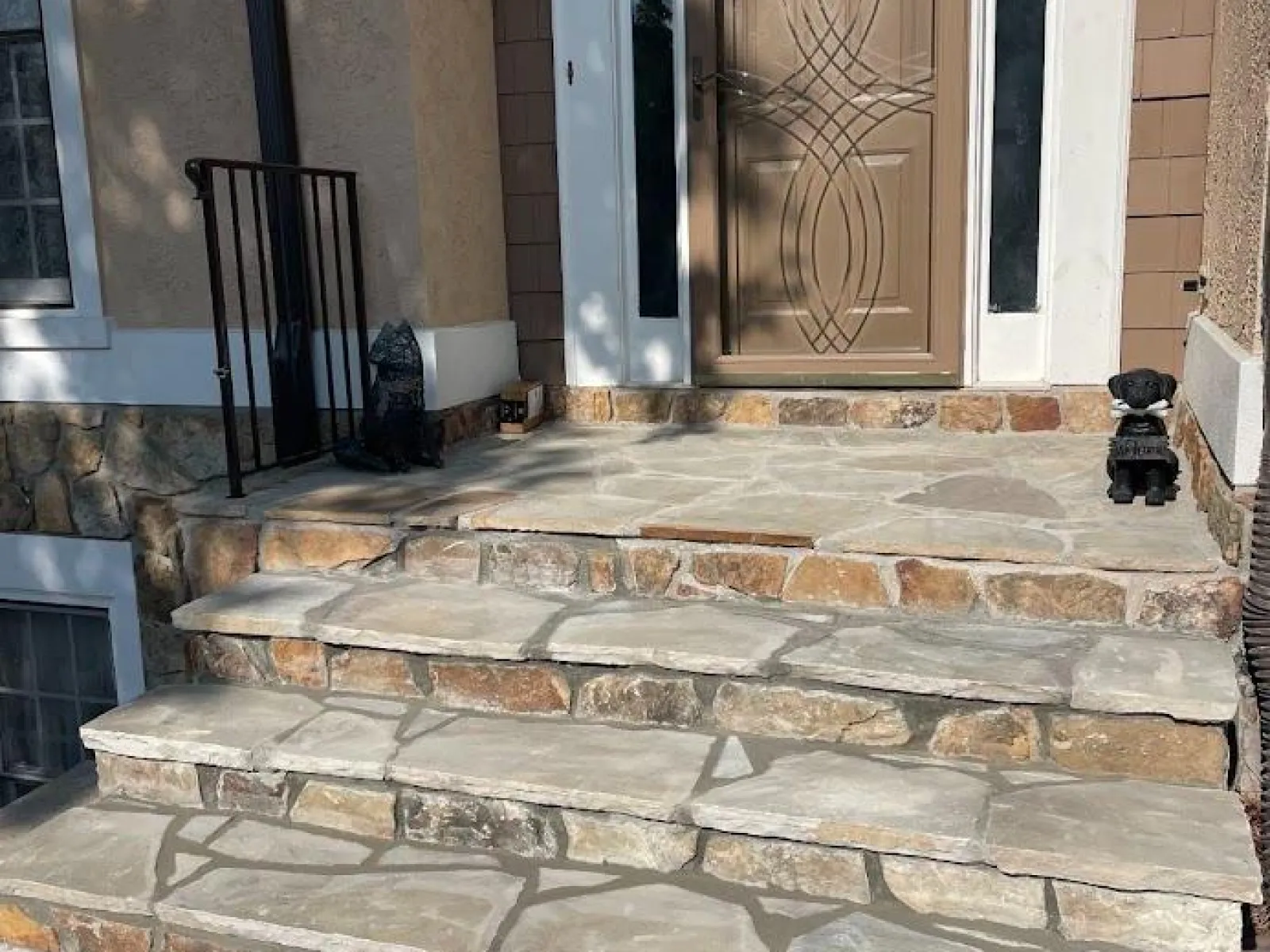
Photos should show consistent quality — straight lines, clean edges, proper grading, and smooth finishes.
7. Proper Contracts & Clear Communication
A good contract should include:
Scope of work
Pricing
Payment schedule
Timeline
Materials used
Warranty
Cleanup responsibilities
Avoid contractors who refuse written agreements or want full payment upfront.
Good communication is also essential. Professional contractors update you regularly, answer questions, and explain the process.
Red Flags to Avoid
Trust your instincts — if something feels off, it probably is. If a contractor gives you any of these signals, proceed with caution:
No insurance
No physical address
Cash-only payments
Unusually low prices
No written contract
No references or photos
When to Hire a Professional Concrete Contractor
You should hire a professional anytime your project involves:
Structural loads (driveways, foundations, walls)
Drainage correction
Retaining walls
Steep slopes
Concrete repair or demolition
Large surface areas
Decorative or stamped concrete
DIY concrete work often leads to cracking or uneven surfaces — which can be more expensive to fix than hiring a pro initially.
Quality concrete work is a long-term investment. The right contractor will ensure your project is built to last, structurally sound, and visually beautiful. Take your time, ask questions, compare bids, and choose someone who demonstrates expertise, integrity, and care.
If you're ready to start your project or get a professional evaluation, the experienced team at Sudlow Concrete is here to help.