Back to the Basics: What Is Concrete?
Concrete is everywhere — from driveways and patios to skyscrapers and highways. It's one of the most widely used building materials in the world, yet many homeowners don't fully understand what concrete actually is or what makes it so strong and long-lasting.
At Sudlow Concrete, we work with concrete every day, installing driveways, retaining walls, patios, walkways, and drainage solutions across Metro Atlanta. In this short guide, we'll break down what concrete is, what's in it, how it works, and why it has become the foundation of modern construction.

What Is Concrete?
Concrete is a composite building material made by combining:
Cement (usually Portland cement)
Water
Aggregates (like sand, gravel, or crushed stone)
When cement and water mix, they form a paste that binds the aggregates together. As this mixture hardens, it becomes the solid, stone-like material we know as concrete.
Concrete is used for:
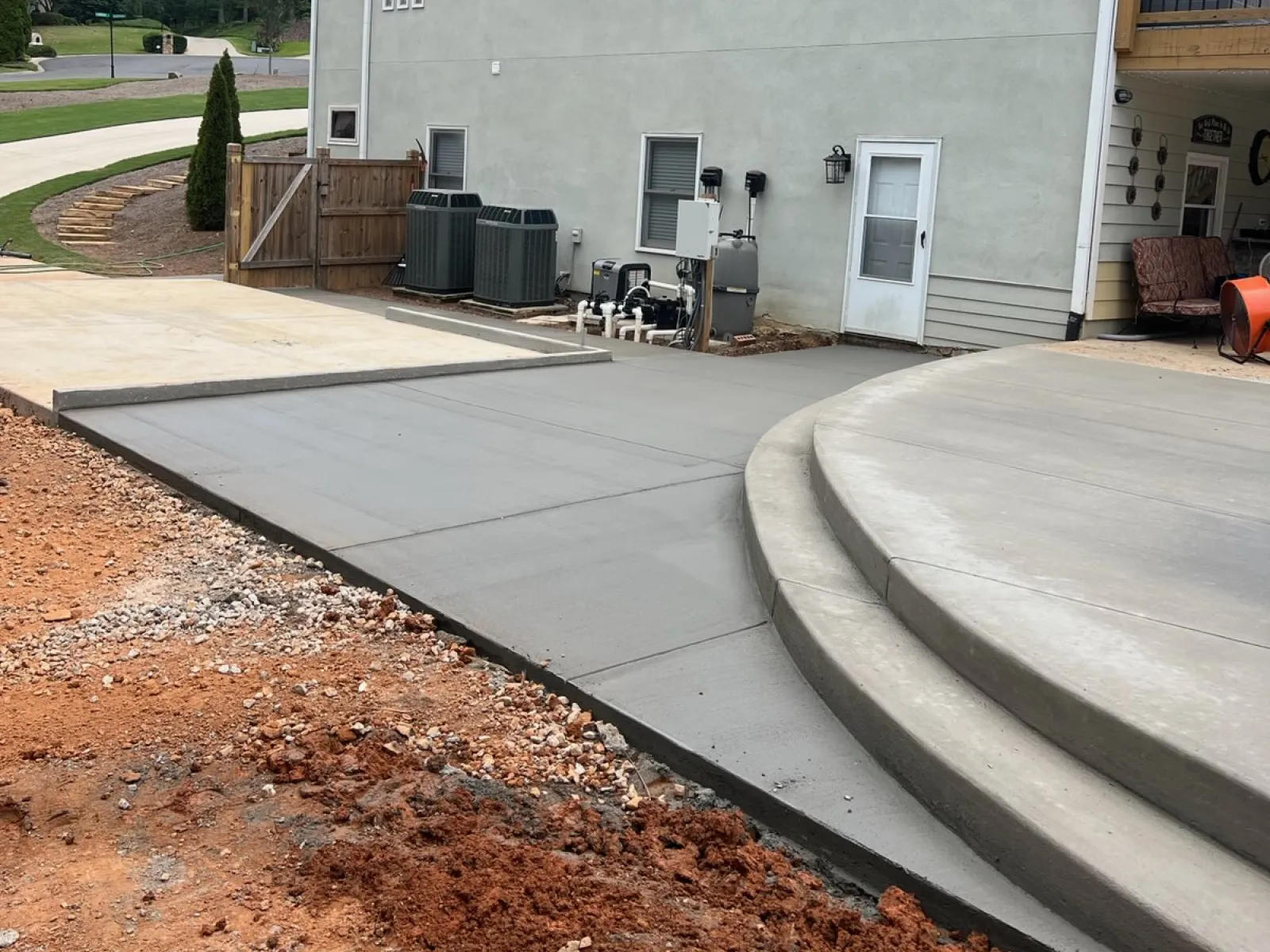
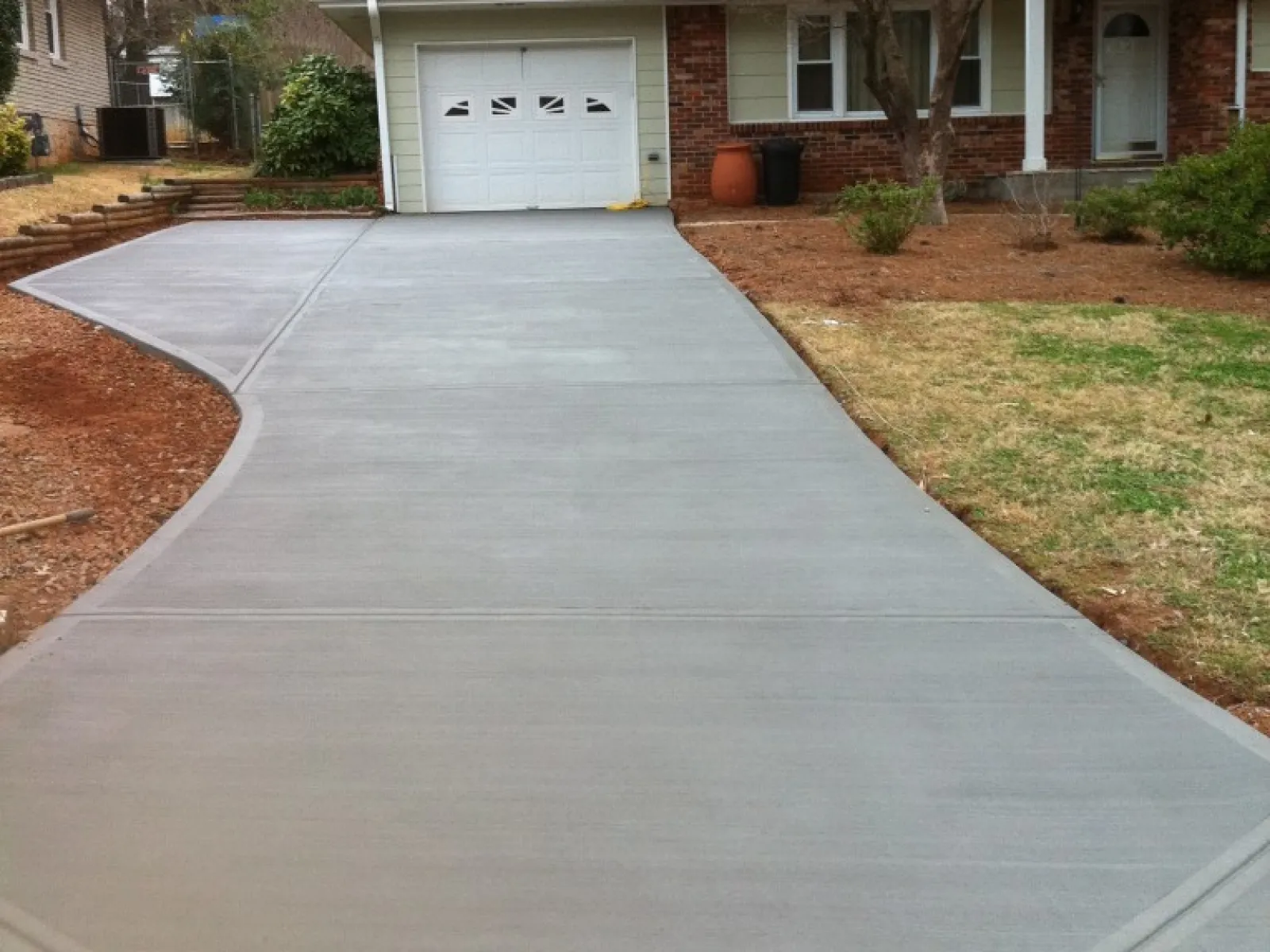
Driveways
Sidewalks and walkways
Retaining walls
Foundations
Patios and slabs
Commercial buildings
Roadways and bridges
It's popular because it's durable, versatile, and capable of supporting heavy loads.
What Concrete Is Made From?
To understand what concrete is, it helps to look more closely at each ingredient:
1. Cement
Cement is the glue of the mixture. When water activates cement, it triggers a chemical process called hydration, which causes the entire mixture to harden into a strong solid.
2. Aggregates
Aggregates give concrete its structure. They make up the majority of the mixture and help prevent cracking and shrinkage.
Fine aggregates: sand
Coarse aggregates: gravel or crushed stone
3. Water
Water activates the cement and allows hydration to occur. The water-to-cement ratio is critical — too much water weakens the mix, while too little water makes it difficult to work with.
How Concrete Hardens (The Hydration Process)
One of the most common misconceptions is that concrete "dries." In reality, concrete cures, meaning it undergoes a chemical reaction that gradually increases strength over time.
Concrete curing timeline:
24-48 hours: walkable
7 days: about 70% strength
28 days: full strength
This slow, steady curing process is why concrete lasts for decades when installed properly.
Why Concrete Is So Popular
Concrete has been used for thousands of years, and modern concrete is stronger and more reliable than ever. Homeowners love concrete because it's:
1. Extremely Durable
Concrete resists weather, wear, heavy loads, and erosion. Properly installed concrete can last 20-50+ years.
2. Low Maintenance
Unlike wood or pavers, concrete doesn't warp, rot, or shift.
3. Versatile
Concrete can be:
Smooth
Textured
Broom-finished
Colored
Stamped to resemble stone, brick, or wood
4. Cost-Effective
Concrete is more affordable than natural stone or many paver systems — especially for large areas like driveways and patios.
5. Eco-Friendly Options
Modern mixes can include recycled aggregates and supplementary materials that reduce environmental impact.
Common Uses Around the Home
If you look around your property, you'll see concrete used in many places:
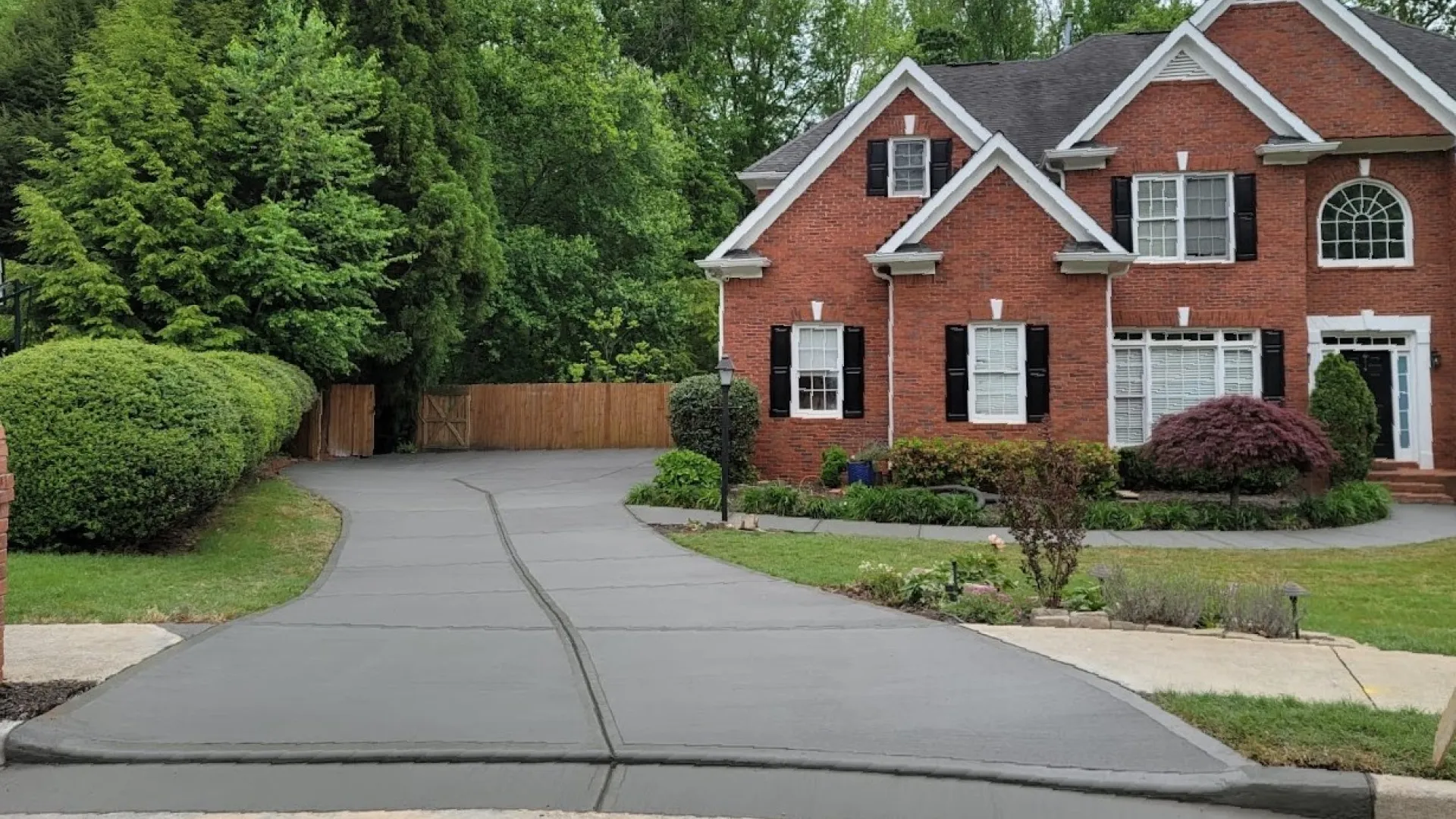
Driveways: strong enough to support cars and trucks
Walkways: durable paths that don't shift or settle like pavers
Patios: long-lasting outdoor spaces
Retaining walls: support sloped areas and prevent erosion
Slabs: foundations for sheds, additions, and HVAC equipment
Concrete's strength and adaptability make it ideal for nearly any outdoor project.
Why Professional Installation Matters
Even though concrete is simple in theory, proper installation requires experience. The quality of your concrete depends on:
Correct ground preparation
The right mix and water ratio
Accurate pouring and leveling
Proper reinforcement
Even curing
Knowledge of drainage and slope
Poor installation can lead to cracks, sinking, or early deterioration.
That's why homeowners across Atlanta trust Sudlow Concrete — we follow industry-best practices to ensure every pour is strong, stable, and long-lasting.
Whether you're planning a new driveway, patio, walkway, slab, or retaining wall, concrete offers durability, versatility, and long-term value. If you're considering a concrete project for your home, Sudlow Concrete is here to help with expert installation and friendly, professional service.