What is a Retaining Wall? A Complete Guide
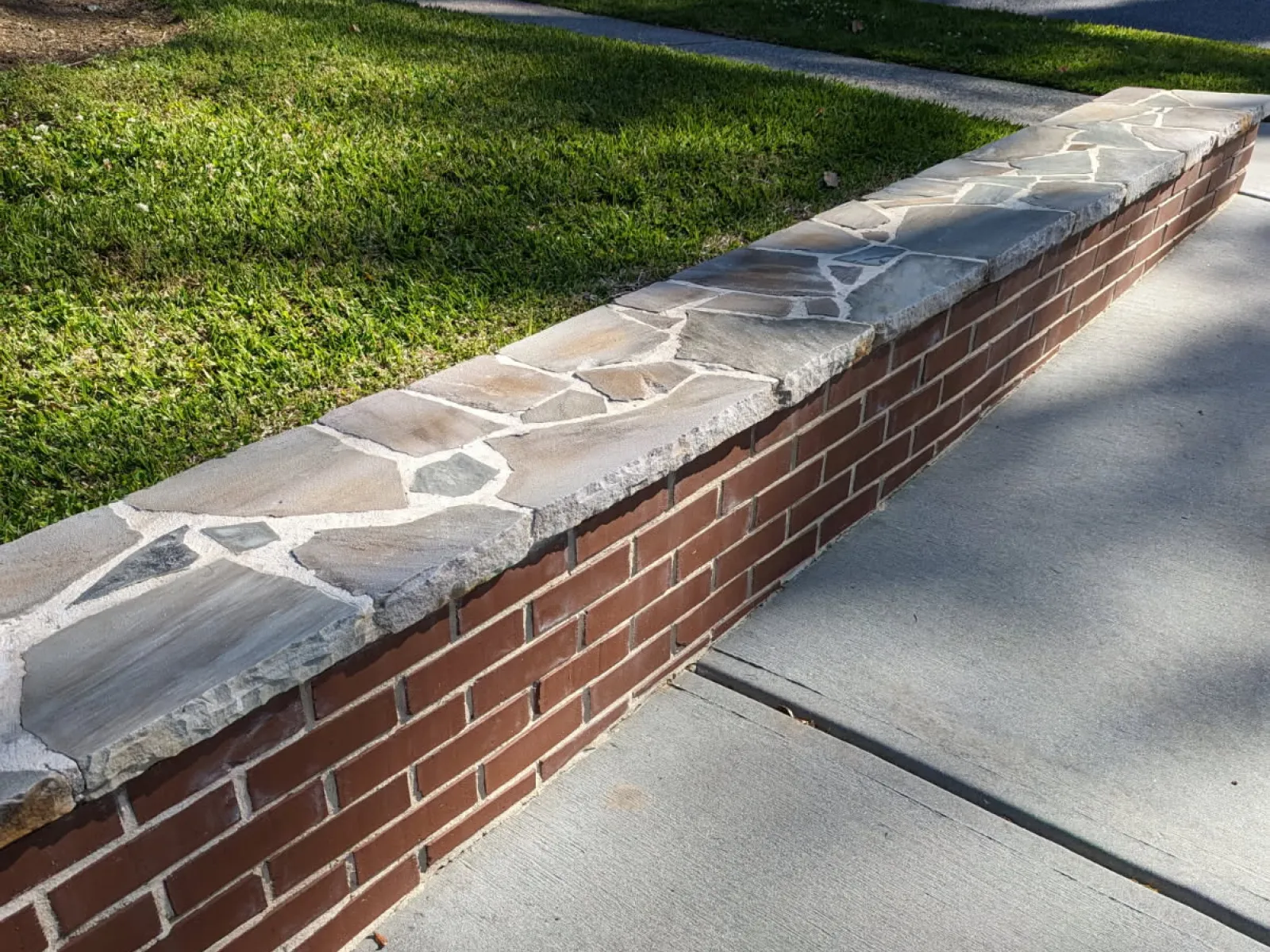
What Is a Retaining Wall?
A retaining wall is a structure designed to hold back soil or rock on one side while allowing the ground level on the other side to be different. In simple terms, it resists the natural tendency of soil to move downhill due to gravity, water, and pressure.
Retaining walls are commonly used to:
Prevent soil erosion
Create level areas on sloped land
Support driveways, patios, or structures
Add depth, shape, and character to landscaping
Improve water flow and drainage
You'll see retaining walls everywhere — along highways, around homes, in commercial developments, and in decorative garden designs. They're both functional and aesthetic, making them one of the most versatile outdoor construction features.
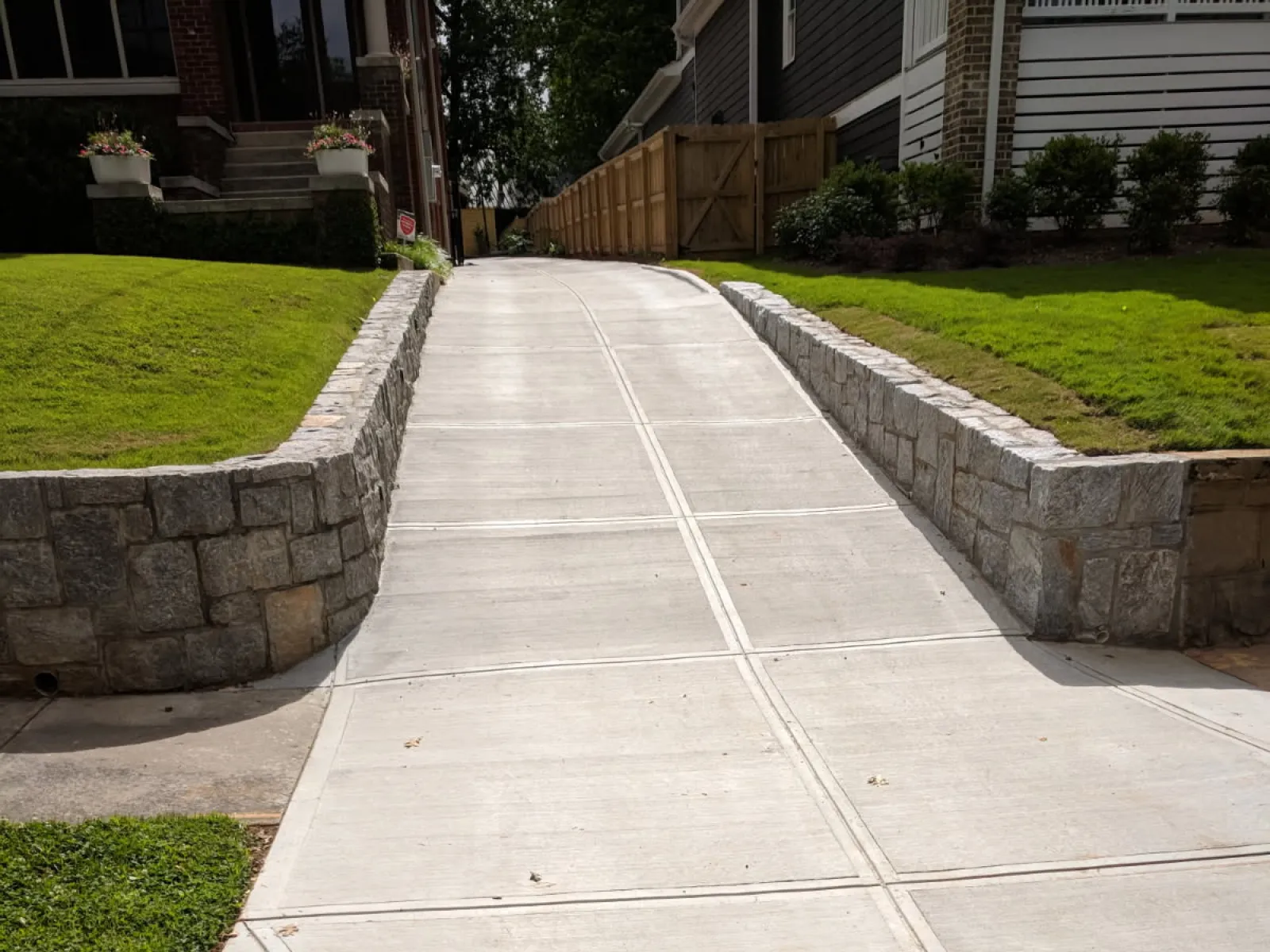
Why Retaining Walls Matter?
Even though retaining walls can be beautiful, their primary job is structural. The soil behind any wall pushes forward due to gravity, moisture, and movement. A retaining wall resists that pressure, preventing slides, slope failure, and erosion.
Without a retaining wall in areas with elevation changes, homeowners may face problems such as:
Erosion during heavy rain
Mudslides or shifting soil
Water runoff toward the home
Landscaping that won't stay in place
Uneven ground that limits usable yard space
A well-designed retaining wall provides stability and makes outdoor spaces more functional and safe.
How Retaining Walls Work?
While retaining walls can look simple, they're actually engineered to withstand a surprising amount of force. Behind every wall is lateral earth pressure, which increases with:
Soil moisture
Soil type
Height of the wall
Additional load (cars, patios, slopes above)
To counter this pressure, retaining walls rely on:
A strong, level base
Proper drainage to relieve water pressure
The weight and interlocking strength of the material
Backfill (usually gravel) that provides stability and allows water to escape
In taller installations, reinforcement like geogrid or deadmen anchors
When each of these components is installed correctly, a retaining wall can last decades to come.
Common Types of Retaining Walls
1. Gravity Retaining Walls
These walls rely on their own weight to resist soil pressure. They're typically made from:
Concrete blocks
Natural stone
Large boulders
Timber
Brick or masonry
Gravity walls are ideal for small to medium-height walls and are often used in landscaping.
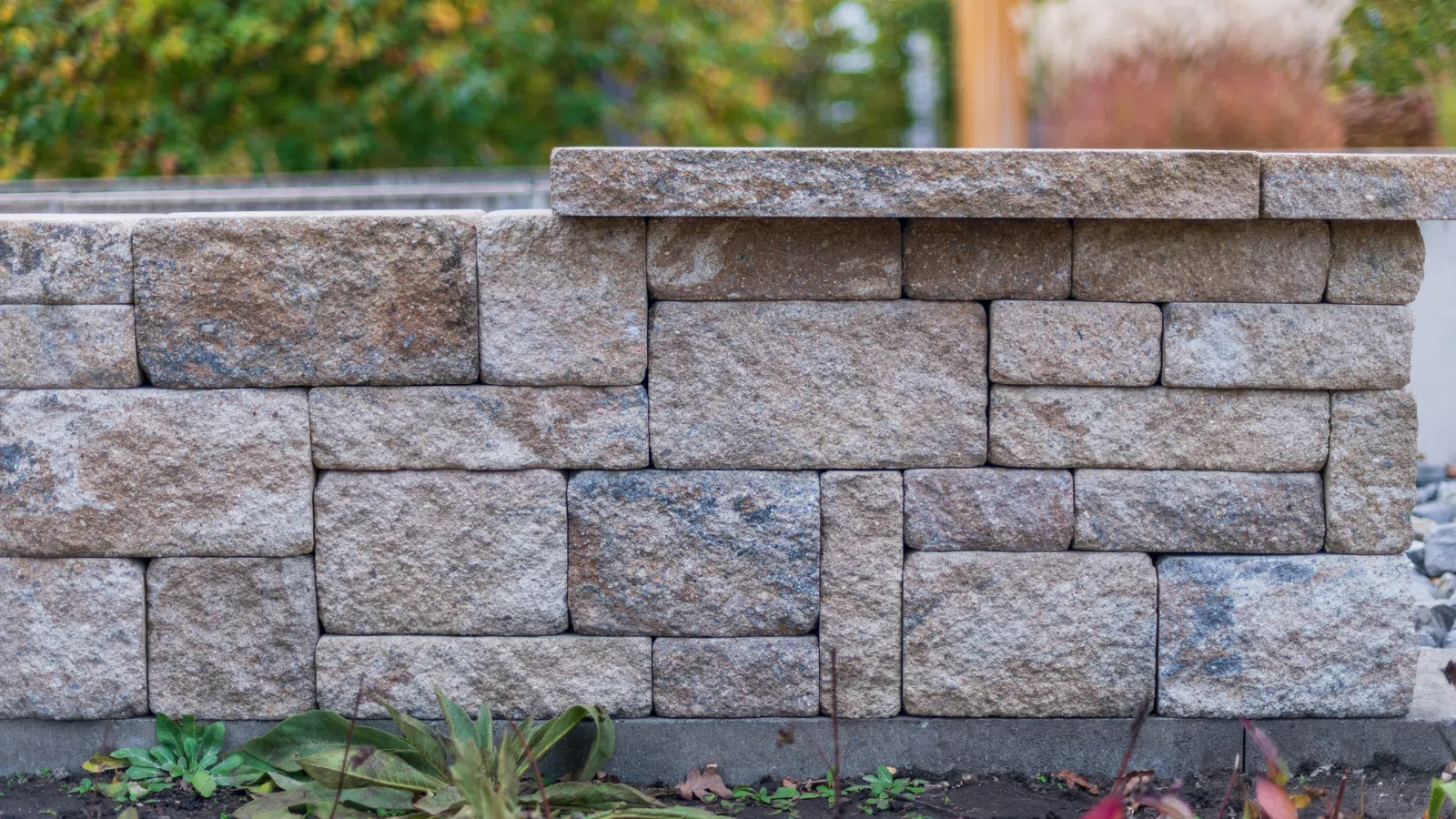
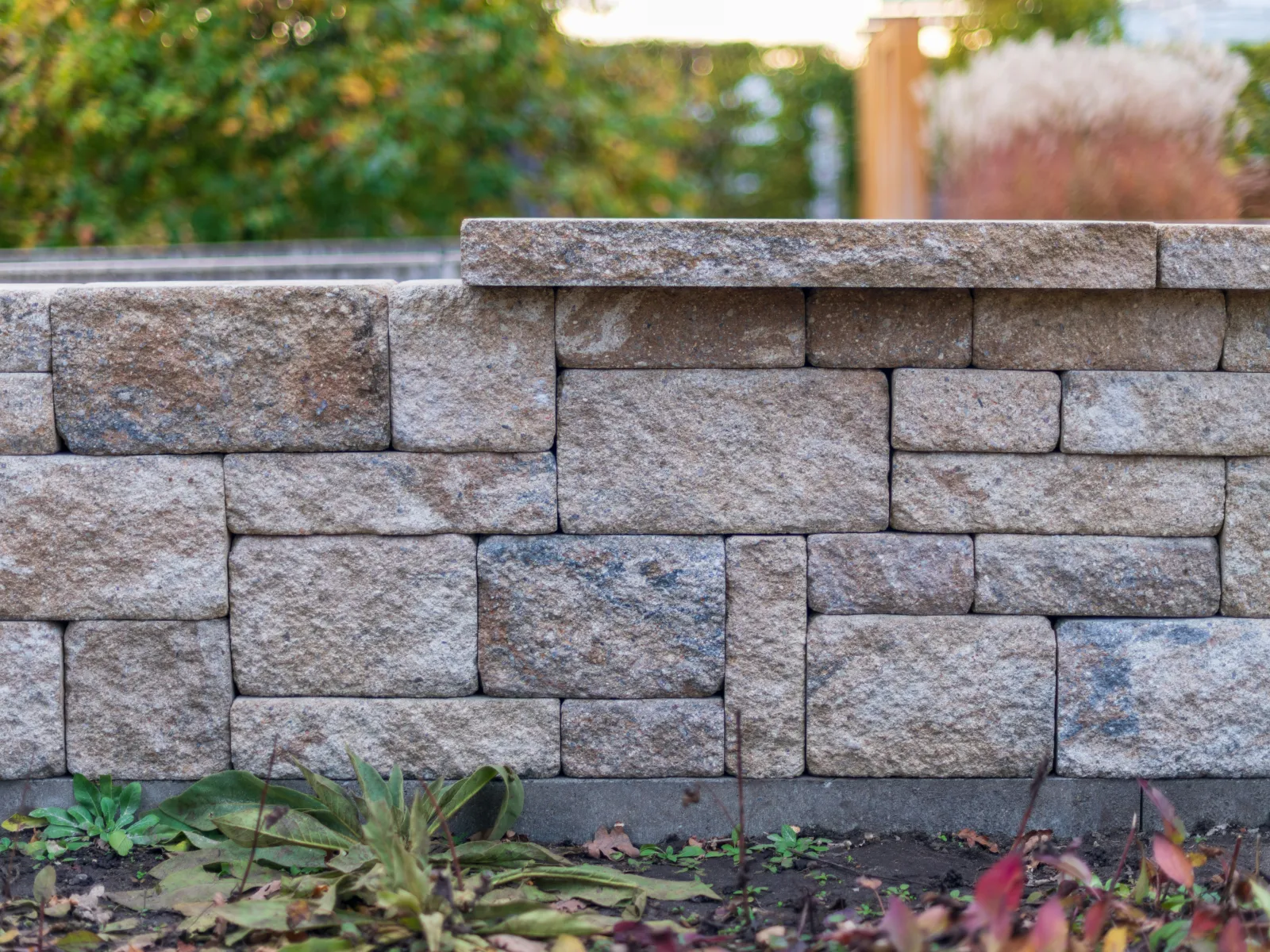
2. Concrete Block Retaining Walls (Segmental Walls)
One of the most popular modern options, concrete block retaining walls use interlocking blocks designed specifically to support weight and resist movement.
Benefits include:
Easy installation
Strong and long-lasting
Many colors, textures, and shapes
Perfect for curved or tiered designs
Sudlow Concrete installs these frequently because they offer the best durability and value for most homes.
3. Masonry CMU Block Retaining Walls (Mortared Walls)
To address heavier loads or more structural applications, Sudlow also installs CMU (concrete masonry unit) block walls with mortar. These walls are built by a trained mason and provide:
Higher structural strength than dry-stack block walls
Solid reinforcement for steep slopes and high soil pressure
A smooth, uniform appearance that can be painted or finished
Excellent long-term stability with proper drainage
These are ideal when homeowners need a more engineered solution or when design calls for a traditional concrete-masonry aesthetic.
4. Poured Concrete Retaining Walls
Poured concrete retaining walls make up about half of Sudlow's retaining wall projects. They are formed and poured as one continuous structure, making them one of the strongest options available.
Benefits include: Because these walls must be properly formed, reinforced, and drained, they require professional installation but they offer unmatched durability.
5. Timber Retaining Walls
Wood timber walls provide a natural look and are cost-effective for short-term needs.
However it's important to note that they are not as long-lasting and wood can rot, warp, or attract insects. It's also not ideal for high-moisture areas
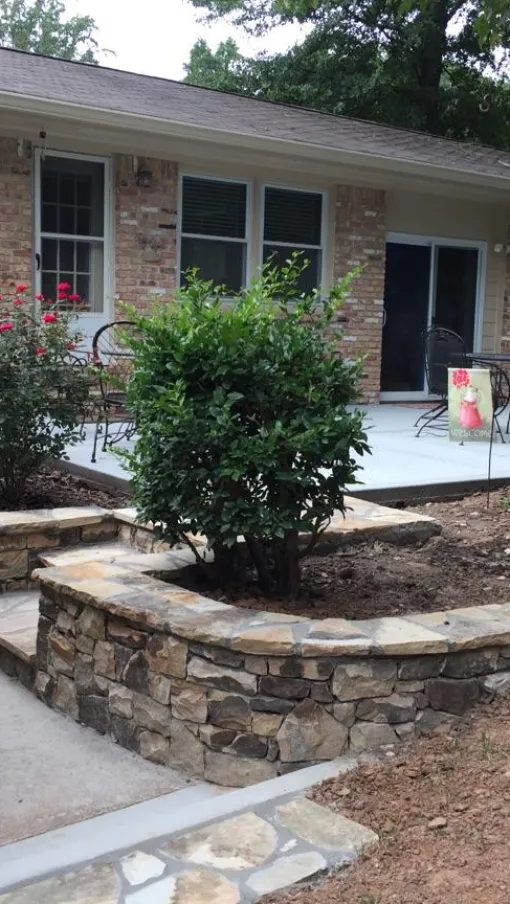
6. Natural Stone Retaining Walls
Beautiful and rustic, stone walls are popular for decorative garden designs.
Benefits:
Organic and timeless appearance
High-end aesthetic
Can last decades when properly installed
Drawbacks:
More expensive
Installation is labor-intensive
Not ideal for tall walls without engineering
When You Need A Retaining Wall
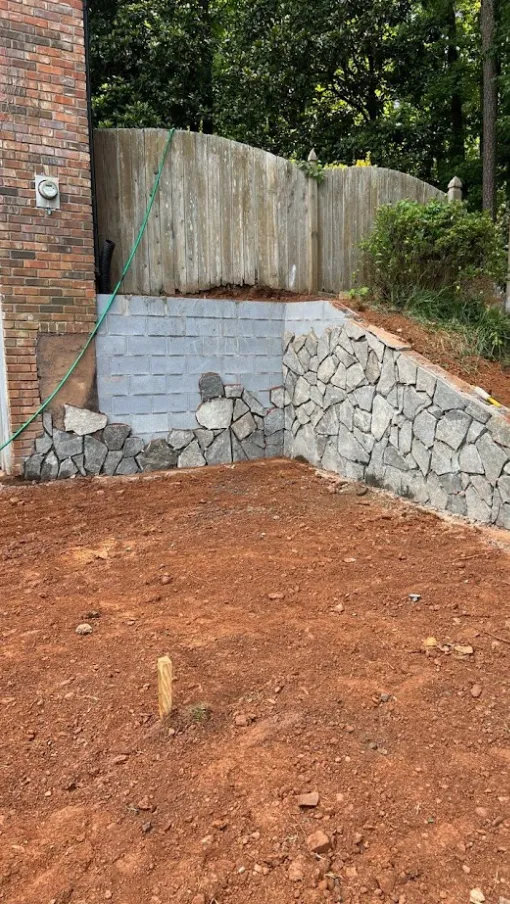
You may need a retaining wall if your property has:
A steep slope
Signs of erosion or soil movement
Drainage problems
A collapsing or bulging old wall
Water running toward your home
Areas you want to level for patios, driveways, or lawns
Many homes in Atlanta are built on slopes, making retaining walls a common and often necessary feature for safety and usable outdoor space.

Key Components of a Retaining Wall
Not all retaining walls are built equally. A long-lasting wall includes:
1. A Solid Base
The foundation must be excavated and filled with compacted gravel. An uneven or weak base is the #1 cause of wall failure.
2. Proper Drainage
Drainage prevents hydrostatic pressure — water buildup behind the wall — which can push and crack the structure. Good drainage includes:
Perforated drain pipe (French drain)
Gravel backfill
Filter fabric (optional but helpful)
3. Correct Backfill
Using gravel instead of soil helps prevent shifting, settling, and water retention.
4. Slight Backward Lean (Batter)
Most walls lean slightly into the hill — usually 1 inch for every foot of height — to increase stability.
5. Reinforcement for Taller Walls
Walls over 4 feet often require:
Geogrid
Deadmen anchors
Engineering approval
This ensures safety and compliance with local codes.
Benefits of Retaining Walls
Retaining walls offer both practical and aesthetic advantages, including:
Erosion Control: They prevent soil from washing away during heavy rainfall.
More Usable Yard Space: By leveling sloped areas, retaining walls create flat surfaces for patios, play areas, or gardens.
Structural Support: Driveways, walkways, and foundations are safer when supported by properly placed walls.
Improved Drainage: Walls help control water flow, protecting your yard and home.
Enhanced Curb Appeal: A beautifully designed wall adds texture, shape, and depth to your landscaping.
Do You Need a Permit?
Depending on your location and the height of your wall, you may need:
A building permit
Engineering approval
HOA clearance
Walls over 4 feet almost always require engineering for safety. Sudlow Concrete handles this evaluation on behalf of homeowners.
DIY or Hire a Professional?
Small landscaping walls under 3 feet can sometimes be DIY-friendly.
However, you should hire a professional if:
The wall is taller than 3-4 feet
It supports a driveway, patio, or structure
The soil is soft, clay-heavy, or holds water
Your property has drainage issues
You want a poured concrete or engineered wall
You notice signs of erosion or shifting
A poorly built retaining wall can fail and fixing it often costs far more than building it correctly the first time.
Sudlow Concrete specializes in durable, properly engineered walls built to withstand Georgia's soils and weather conditions.If you're considering adding a retaining wall (or replacing an old one) the professionals at Sudlow Concrete are here to help you design and build a structure that's safe, durable, and made to last.