How to Seal Stamped Concrete
for Long-Lasting Protection and Color
Sealing Is What Keeps
Stamped Concrete Looking New
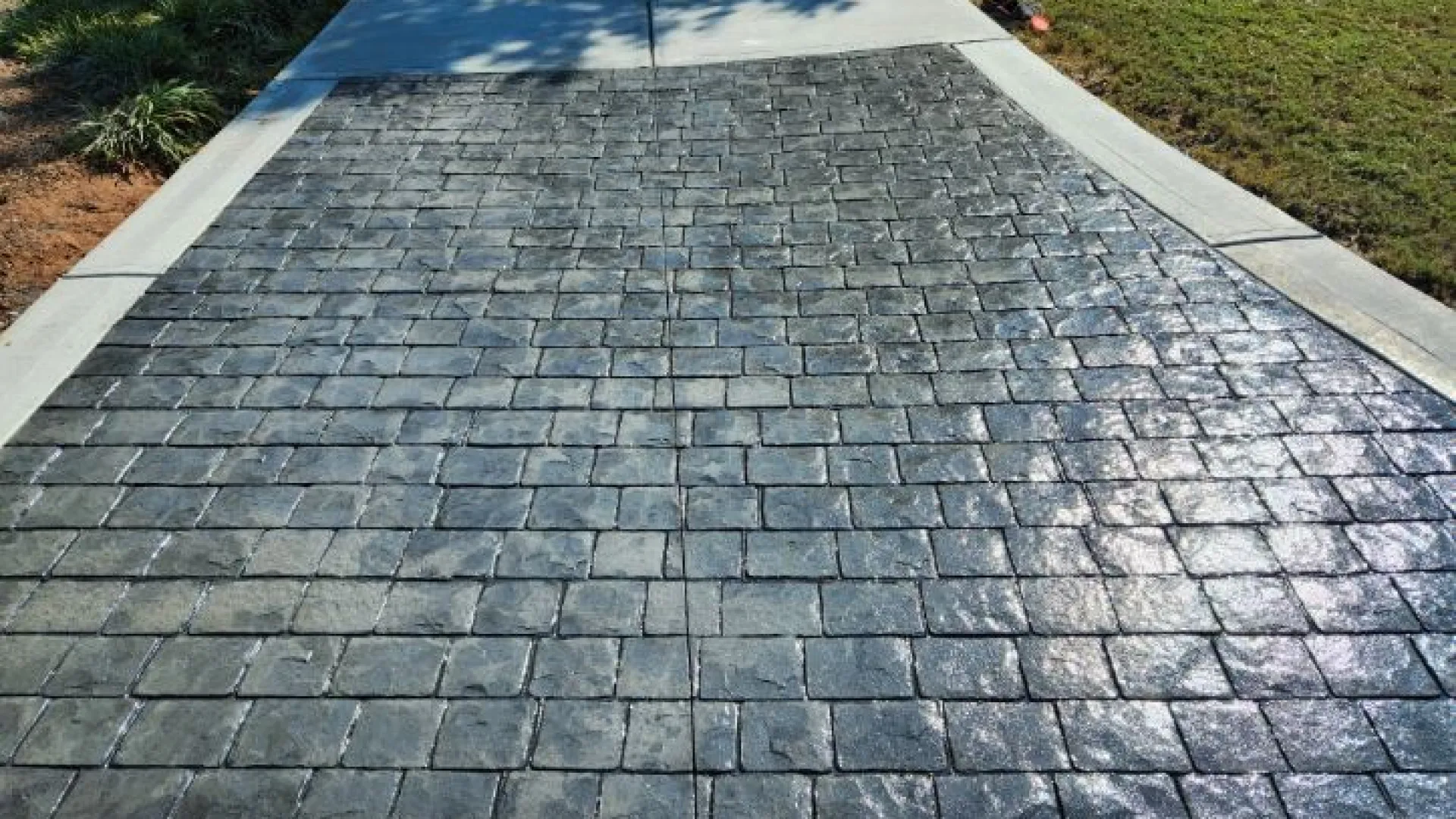
Stamped concrete delivers beautiful texture and color — but without proper sealing, it can fade, stain, and wear much faster than expected.
Sealer protects the surface from moisture, UV exposure, chemicals, dirt, and everyday wear while enhancing color depth and making cleaning easier.
How to Seal Stamped Concrete
If you're wondering how to seal stamped concrete correctly, here's a practical guide to help you get professional-level results.
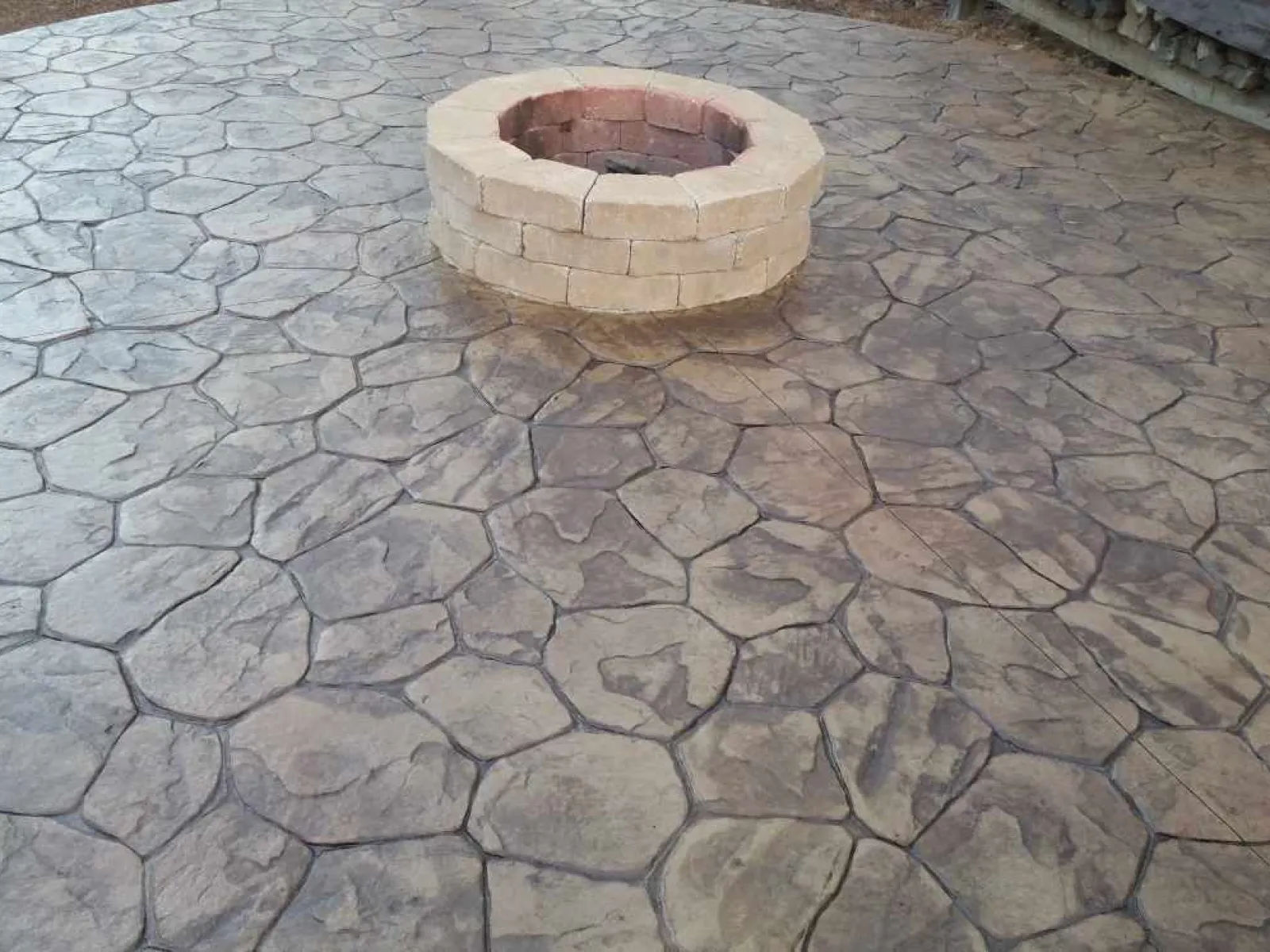
Step 1: Make Sure the Surface Is Clean and Dry
Before sealing, the concrete must be completely clean and dry.
Remove dirt, algae, pollen, and stains.
Rinse thoroughly and allow the surface to dry for at least 24-48 hours depending on weather conditions.
Moisture trapped under sealer can cause cloudiness, peeling, or adhesion failure.
If the surface is heavily soiled or the existing sealer is failing, professional cleaning or stripping may be required.
Step 2: Choose the Right Sealer for Your Space
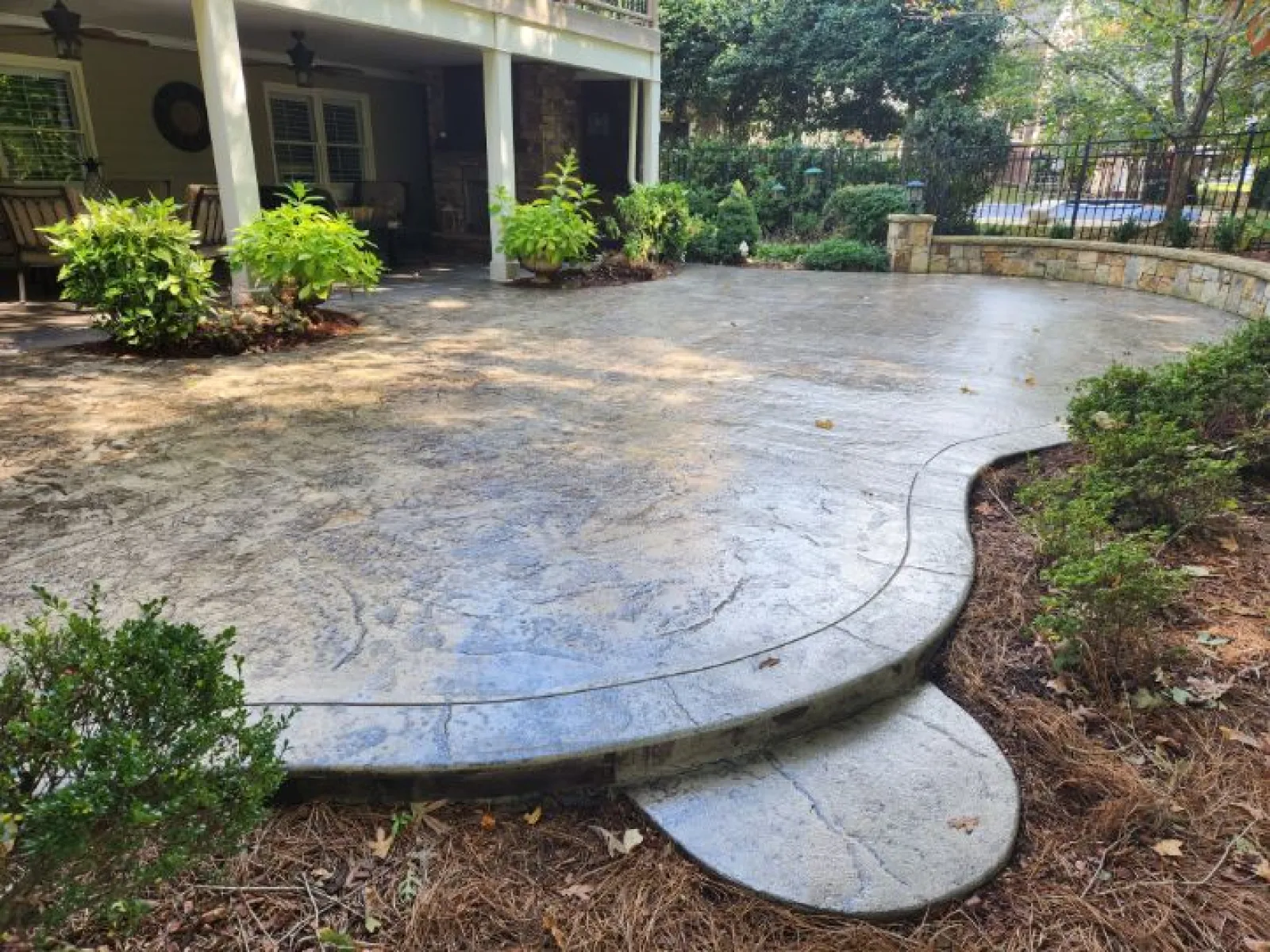
There are several sealer types, each with different benefits:
Acrylic sealers: Affordable, easy to apply, enhance color, good for decorative surfaces.
Penetrating sealers: Absorb into the concrete for protection without changing appearance.
Polyurethane or epoxy sealers: High durability, often used in commercial settings.
For most stamped concrete patios and walkways, acrylic sealers with optional non-slip additives are commonly used.
Step 3: Consider Slip Resistance
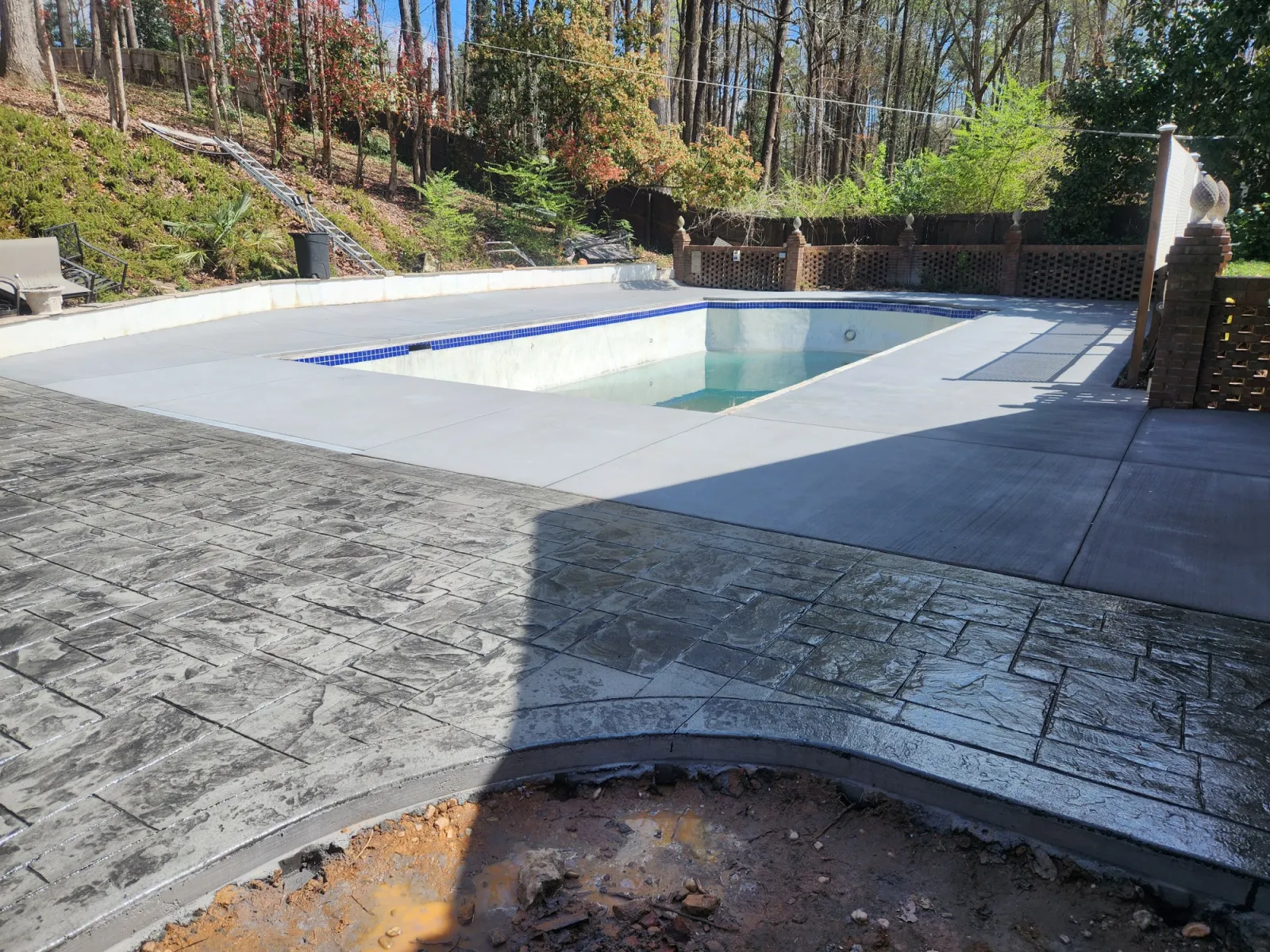
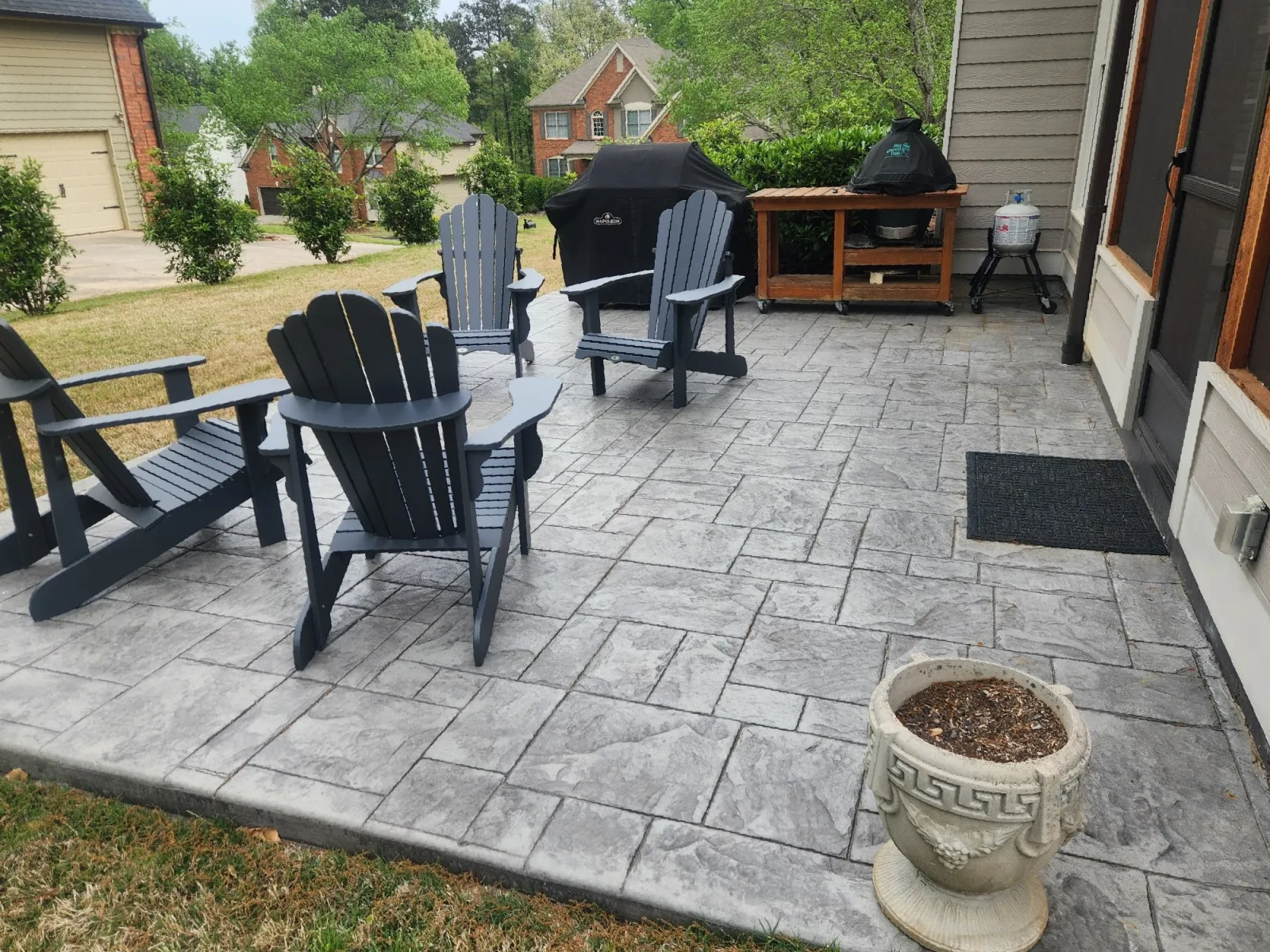
If the surface gets wet frequently (pool decks, shaded patios), adding a non-slip additive to the sealer improves traction without affecting appearance.
Step 4: Apply The Sealer Evenly
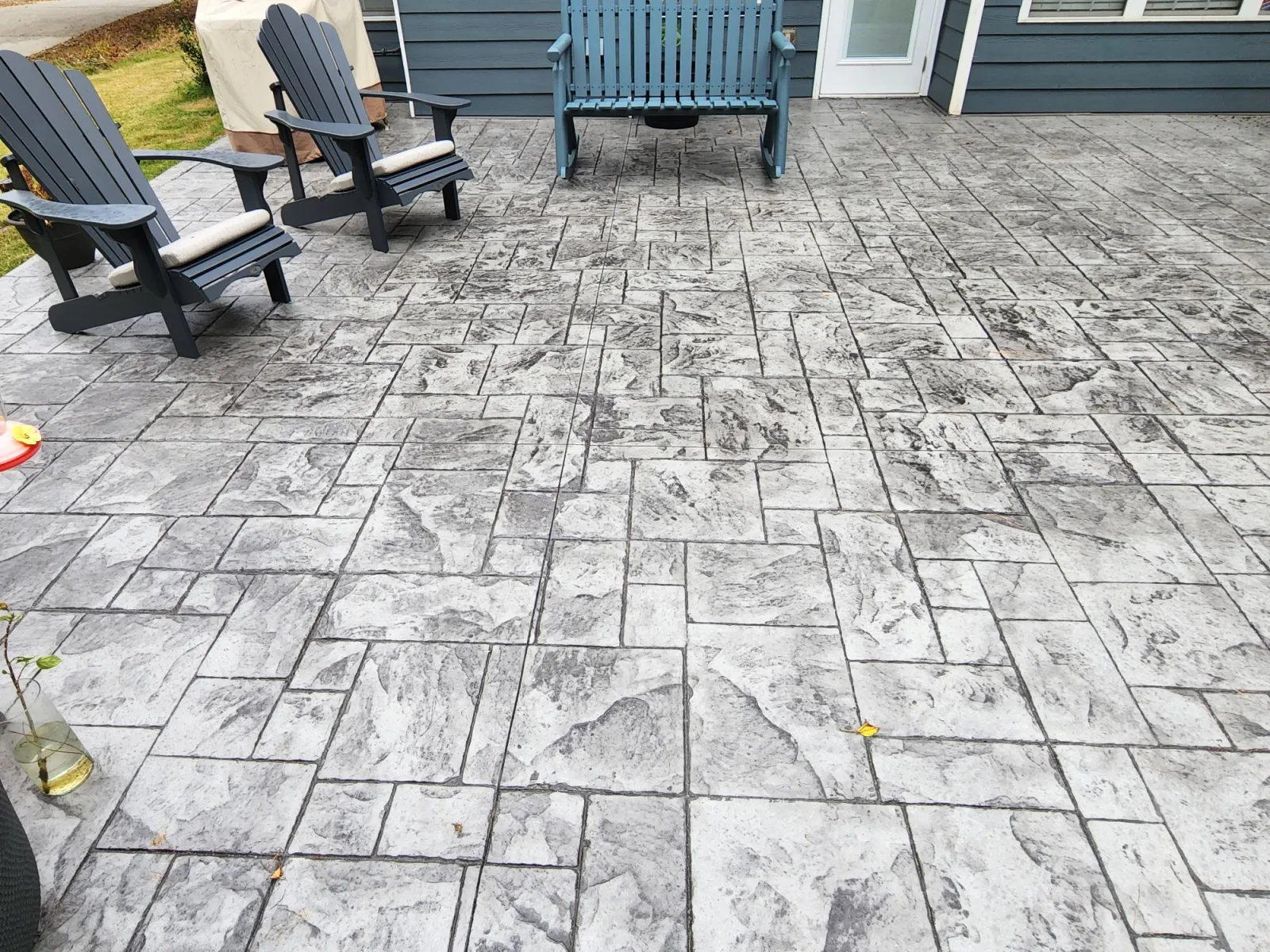
Use a roller or sprayer designed for sealers.
Best practices:
Apply thin, even coats.
Avoid puddling or heavy buildup.
Follow manufacturer coverage rates.
Allow proper dry time between coats.
Two light coats typically perform better than one thick coat.
Step 5: Allow Proper Curing Time
Avoid foot traffic for at least 24 hours and vehicle traffic for 48-72 hours depending on the product. Protect the surface from moisture during curing.
How Often Should Concrete be Resealed?
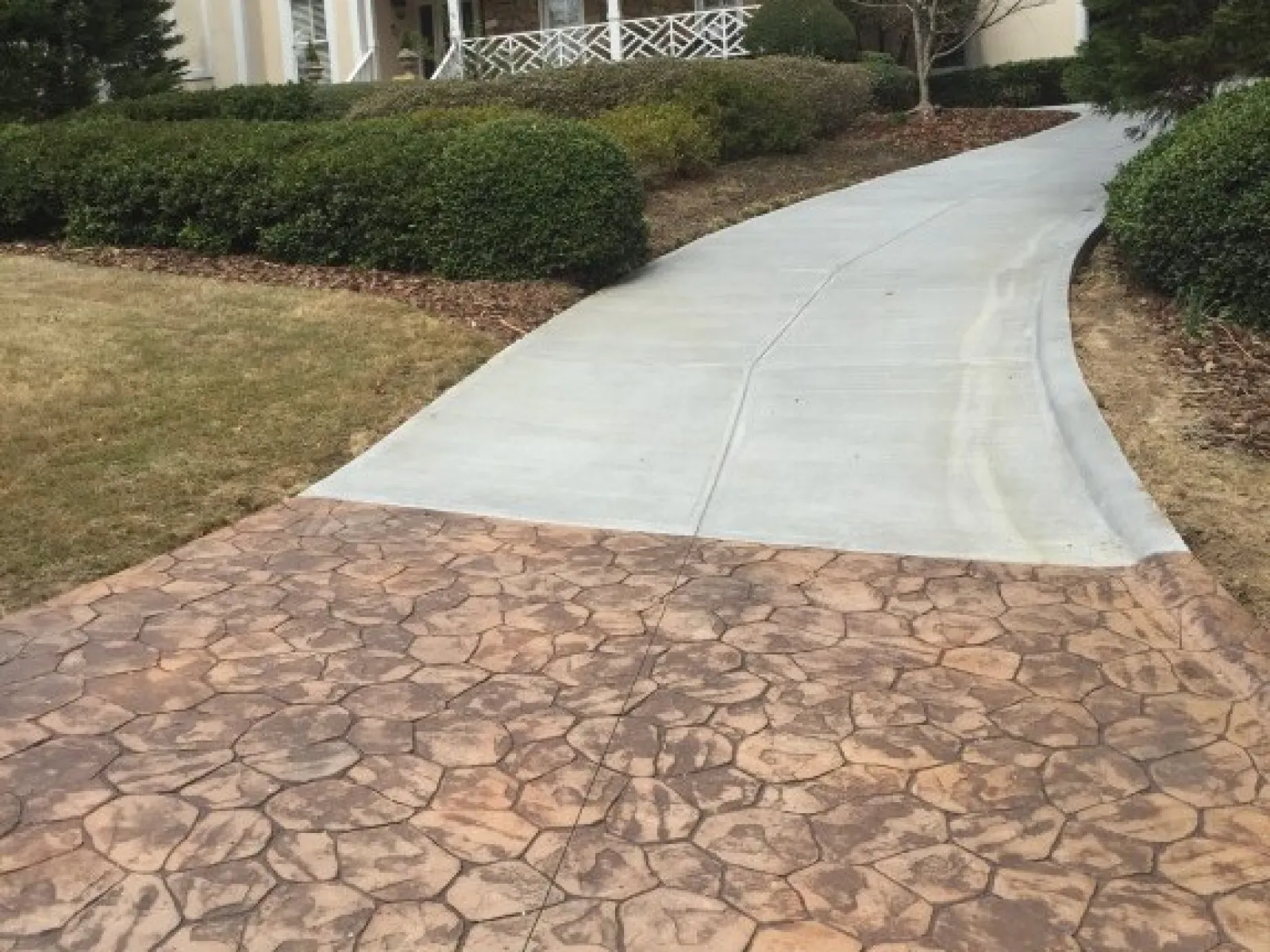
Most stamped concrete surfaces should be resealed every 2-3 years, depending on traffic, sun exposure, and weather conditions.
Signs it's time to reseal:
Color looks dull or faded
Water no longer beads on the surface
Surface stains easily
Sealer appears patchy or peeling
Common Sealing Mistakes to Avoid
❌ Sealing over damp concrete
❌ Applying too thick of a coat
❌ Using the wrong sealer type
❌ Skipping surface prep
❌ Ignoring slip resistance needs
Professional Sealing Delivers Longer-Lasting Results
DIY sealing works for small areas, but large surfaces or worn concrete often benefit from professional equipment and experience to ensure even coverage, durability, and long-term performance.
If your stamped concrete needs cleaning, resealing, or surface restoration, Sudlow Concrete provides expert concrete services throughout the Atlanta area.