How to Remove Glue From a Concrete Floor
Without Damaging It
How to Revive Your Concrete Surface
If you've ever pulled up old carpet, vinyl tile, rubber mats, or peel-and-stick flooring, you already know the worst part isn't the demo — it's the sticky glue that refuses to budge afterward.
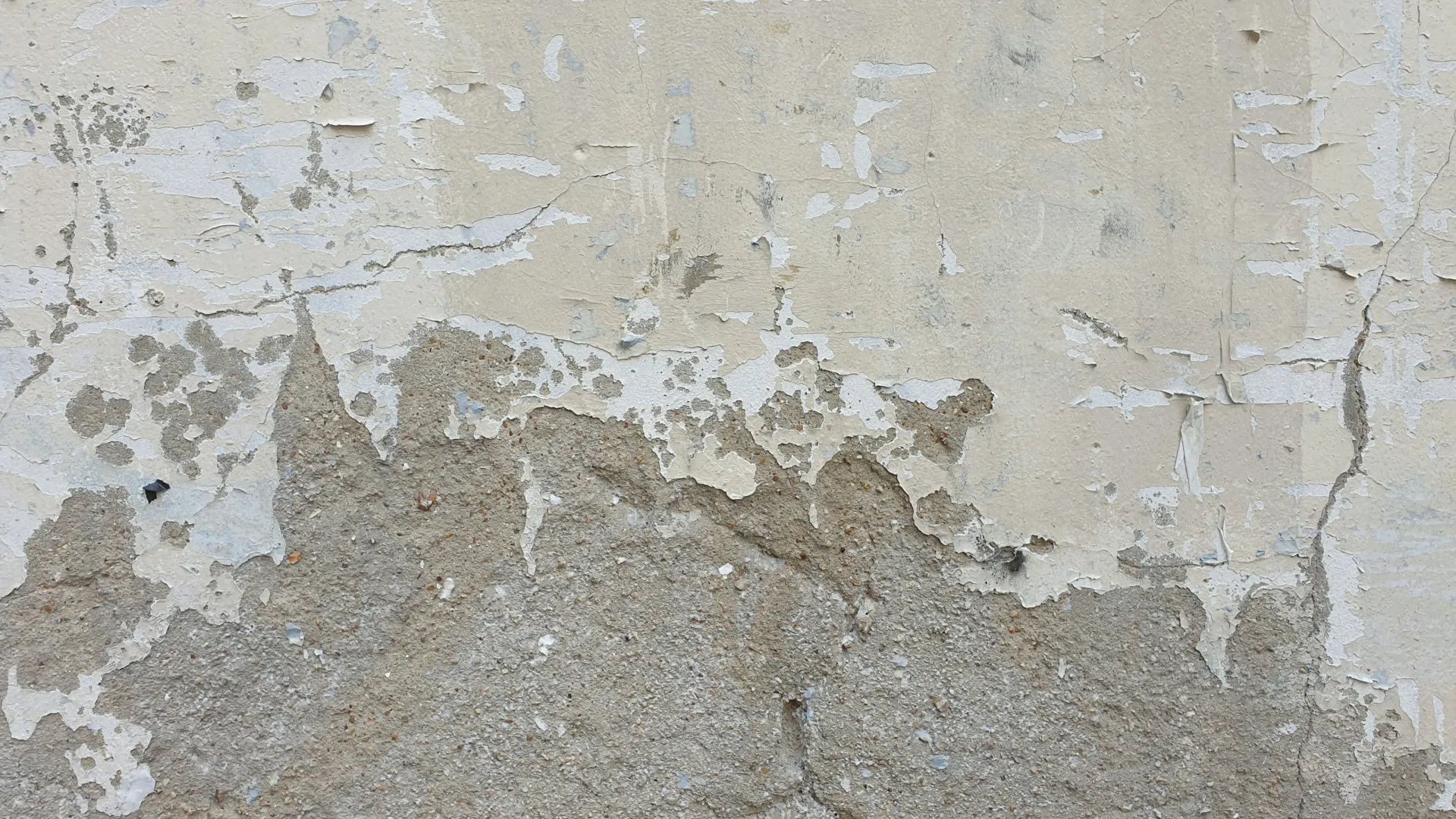
Concrete is tough, but it's also porous. That means adhesives can soak in, harden, and become stubborn to remove if the wrong method is used. The good news? Most glue can be removed safely with the right approach and a little patience.
Below we'll walk through how to remove glue from a concrete floor based on the type of adhesive you're dealing with — and how to avoid damaging your slab in the process.
Step 1: Identify What Type of Glue You're Dealing With
Not all adhesives behave the same way. Before grabbing chemicals or tools, take a minute to figure out what you're up against.
Carpet glue or mastic: Usually dark, sticky, or tar-like. Common in older homes and commercial spaces.
Construction adhesive: Thick and rubbery, often used under baseboards or heavy flooring.
Tile adhesive or thinset residue: Hard, brittle, and cement-like.
Peel-and-stick adhesive: Often lighter, tacky, and easier to soften.
Knowing the glue type helps you choose the safest removal method and avoid unnecessary damage.
Step 2: Start With Mechanical Removal
In many cases, simple scraping can remove a surprising amount of adhesive before chemicals are needed.
What to use:
Floor scraper or long-handled razor scraper
Putty knife for tight areas
Stiff wire brush for textured concrete
Work slowly and keep the blade flat to avoid gouging the concrete. Vacuum up debris as you go so you can see what remains.
This step alone often removes 50-80% of the glue.
Step 3: Use Heat or Moisture for Stubborn Adhesive
If scraping leaves behind sticky residue, softening the glue can help.
Heat gun or hair dryer: Gently warm the adhesive to soften it, then scrape again.
Warm water soak: For water-based adhesives, letting warm water sit for 10-20 minutes can loosen residue.
Avoid excessive heat or flooding the slab — concrete absorbs moisture, which can create future flooring issues.
Step 4: Apply a Concrete-Safe Adhesive Remover (If Needed)
For heavy buildup, a commercial adhesive remover may be necessary. Look for products labeled safe for concrete surfaces.
Tips for chemical removers:
Always test in a small hidden area first.
Follow manufacturer dwell times — rushing reduces effectiveness.
Use proper ventilation and protective gloves.
Neutralize and rinse thoroughly once finished.
Avoid harsh acids or aggressive solvents unless specifically approved for concrete — they can etch or weaken the surface.
Step 5: Final Cleaning and Surface Prep
Once the glue is removed:
Sweep or vacuum all debris.
Mop with a neutral cleaner to remove residue.
Allow the slab to fully dry before installing new flooring or coatings.
If the concrete feels uneven, stained, or rough after removal, light grinding or resurfacing may be needed to restore a clean finish.
Common Mistakes to Avoid
❌ Using metal grinders without dust control (creates damage and airborne hazards)
❌ Over-saturating the slab with water or chemicals
❌ Skipping safety gear
❌ Installing new flooring before moisture fully evaporates
❌ Assuming all adhesives respond to the same treatment
When It's Time to Call a Professional
If the glue covers a large area, is deeply embedded, or you're preparing the surface for epoxy, polish, or new coatings, professional equipment can save significant time and prevent surface damage.
Grinding, shot blasting, and surface profiling ensure proper adhesion and long-term durability — especially in commercial or industrial environments.
Removing Glue the Right Way Protects Your Concrete Investment
Removing glue from a concrete floor doesn't have to mean harsh chemicals or damaged surfaces. With the right tools and a methodical approach, most adhesive can be safely removed and prepped for whatever comes next.
If you're dealing with a large project or want expert surface preparation, Sudlow Concrete specializes in professional concrete cleaning, grinding, and resurfacing solutions throughout the Atlanta area.