Concrete Spalling: Causes, Prevention & Repair
in Atlanta
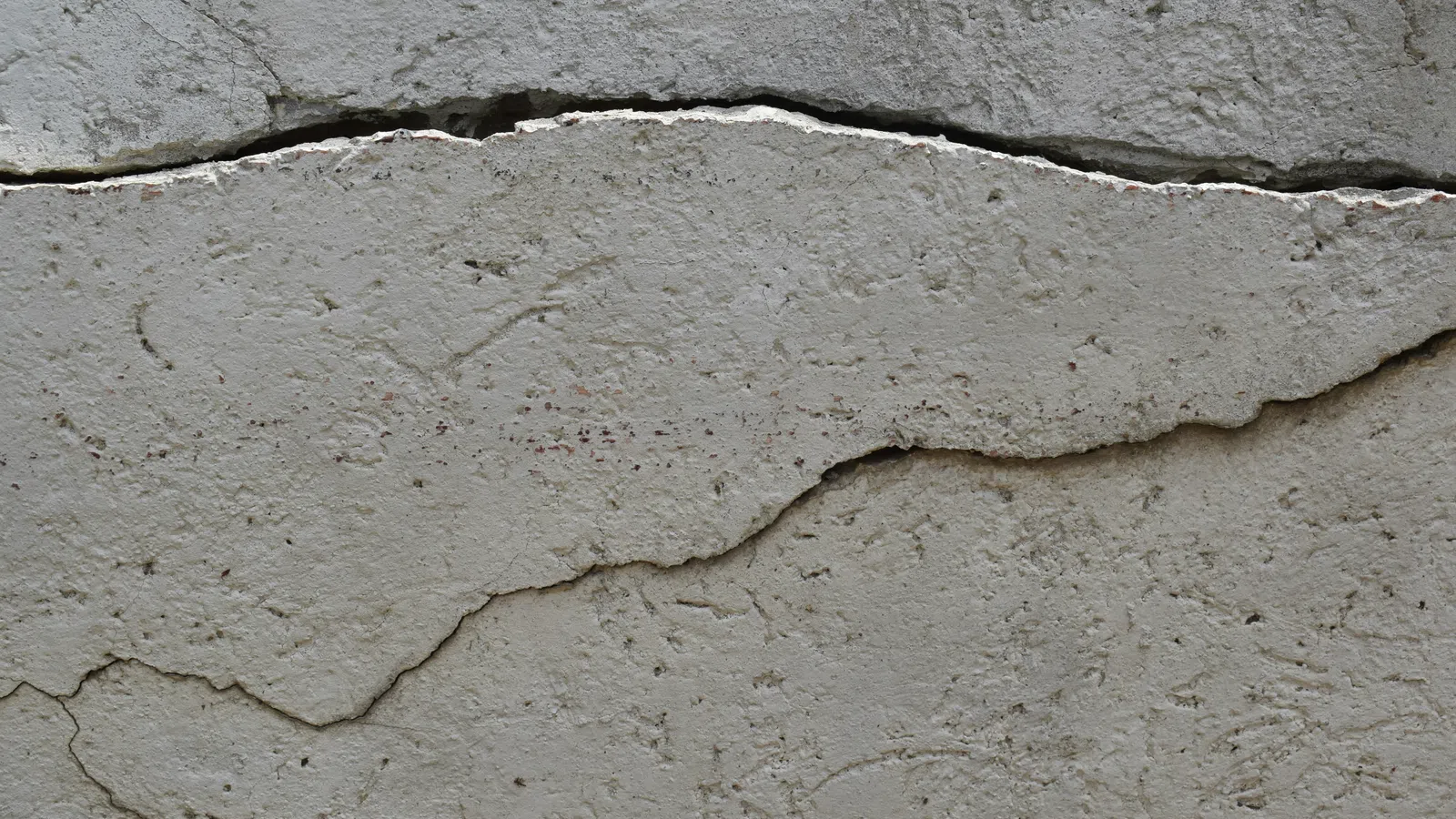
If you're noticing flaking, chipping, or surface peeling on your concrete, you are likely dealing with concrete spalling.
In Atlanta and across North Georgia, spalling is more common than many homeowners realize. It often starts as a small "pockmark" on a driveway or patio and, if left alone, can eventually leave the entire surface looking like a gravel pit.
What Is Concrete Spalling?
Concrete spalling occurs when the finished surface layer begins to break away from the main body of the slab. This exposes the "aggregate" (the rocks and pebbles inside the mix) underneath. You might see it as:
- Surface flaking and scaling
- Pitting or small chips
- Larger delaminated areas
What Causes Concrete Spalling?
Spalling is typically caused by moisture combined with structural stress. In Atlanta, we see five primary culprits:
- Water Penetration & Freeze-Thaw: Concrete is porous. When water enters the slab and expands during North Georgia's frequent winter temperature swings, it creates internal pressure that pops the surface layer off.
- Poor Surface Finishing: If a contractor "over-works" the concrete while it's wet or adds too much water to the surface to make it easier to finish, it creates a weak top layer that will eventually delaminate.
- De-Icing Chemicals: While less common in Georgia, salt from main roads can hitch a ride on your tires. These chemicals accelerate moisture absorption and shred the concrete's surface from the inside out.
- Inadequate Air Entrainment: Proper concrete mixes include microscopic air bubbles (air entrainment) to handle moisture expansion. Without this, the surface is much more likely to flake.
- Improper Subgrade Preparation: In Atlanta's clay soil, if the base wasn't compacted with GAB (Graded Aggregate Base), the slab will flex. That stress transfers upward, leading to surface breakdown.
How to Prevent Concrete Spalling
Prevention starts during the installation phase, but maintenance plays a huge role:
- ✔ Proper Base Preparation: A compacted gravel base reduces slab stress.
- ✔ Correct Concrete Mix: Ensuring proper air entrainment and mix design for the local climate.
- ✔ Avoid Overworking: Using proper finishing techniques to keep the surface strong.
- ✔ Apply Sealer: Sealing acts as a raincoat, keeping moisture out of the pores.
- ✔ Maintain Drainage: Redirecting downspouts ensures water doesn't sit on the slab.
Repair Options for Concrete Spalling
The right repair depends on how deep the damage goes:
- Minor Surface Spalling: We can often use surface grinding, thin resurfacing overlays, or polymer-modified patching to restore the look.
- Moderate Damage: Full resurfacing systems or surface leveling compounds can provide a fresh "skin" for the concrete.
- Severe Spalling: If the damage is deep or reinforcement is exposed, section replacement or a full slab replacement is the safest move.
Is Spalling Structural?
Usually it is cosmetic in the early stages. However, once the surface is gone, water reaches the rebar or mesh much faster. If that metal starts to rust and expand, it will compromise the structural integrity of the entire slab. Early intervention is always less expensive than full replacement.