Concrete Retaining Wall Lifespan: What Impacts Durability and When to Repair
Concrete Retaining Walls Are Built to Last (but not forever)
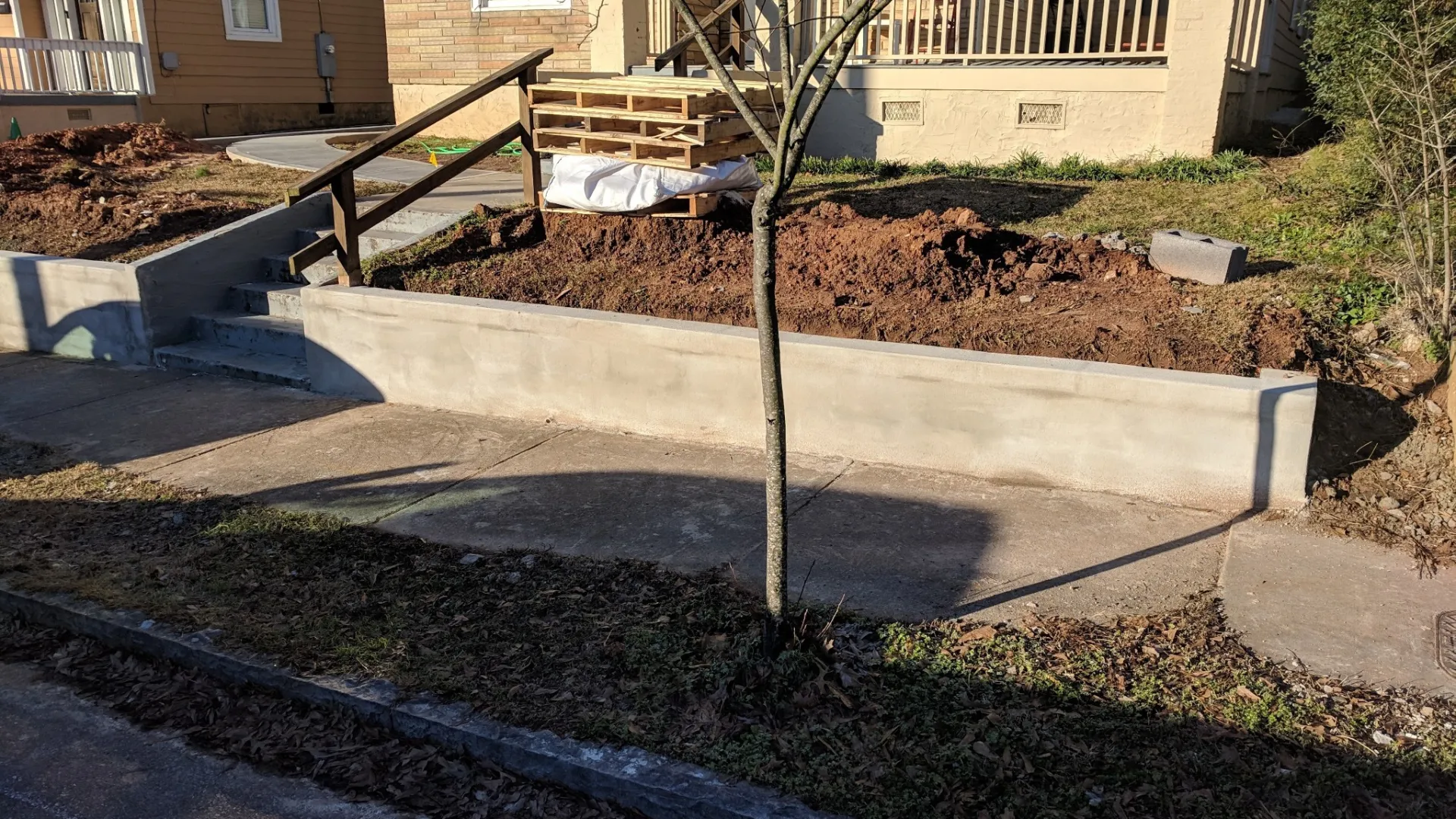
A properly built concrete retaining wall is one of the most durable structures you can install on a property. It manages soil pressure, controls erosion, protects foundations, and shapes landscaping for decades.
But like anything exposed to weather, moisture, soil movement, and time, concrete retaining walls do eventually age.
So how long do concrete retaining walls last? In most cases, a well-constructed concrete retaining wall can last 50 to 100 years or more — depending on how it was built, the soil conditions, drainage design, and ongoing maintenance.
Let's break down what really impacts lifespan and how to tell when a wall needs attention.
What Determines the Lifespan of a Concrete Retaining Wall?
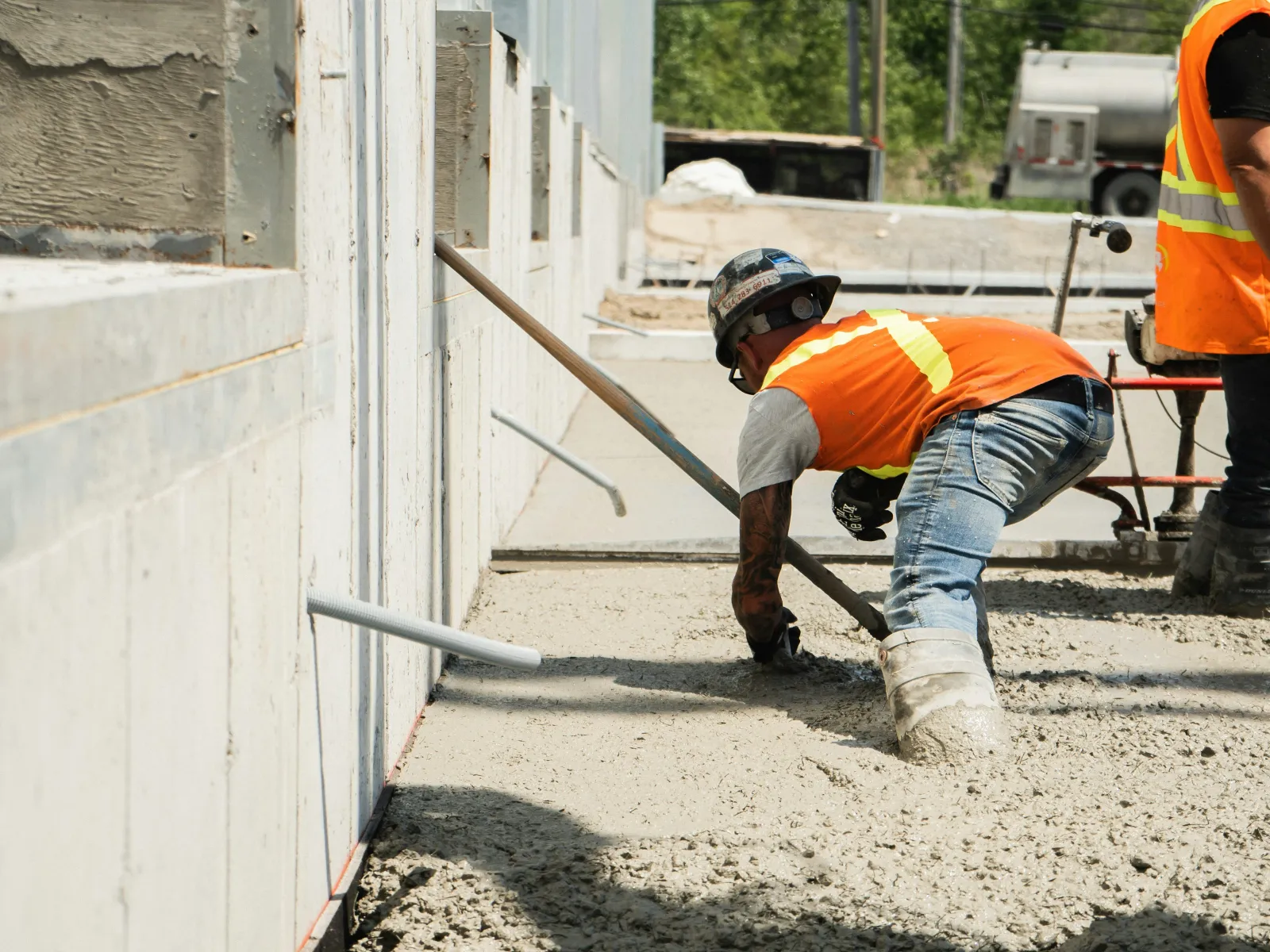
1. Construction Quality
The biggest factor is how the wall was originally built:
Proper footing depth and reinforcement (rebar placement)
Correct concrete mix strength
Adequate curing time
Professional installation practices
Walls built without reinforcement or proper footing may begin cracking or shifting much earlier.
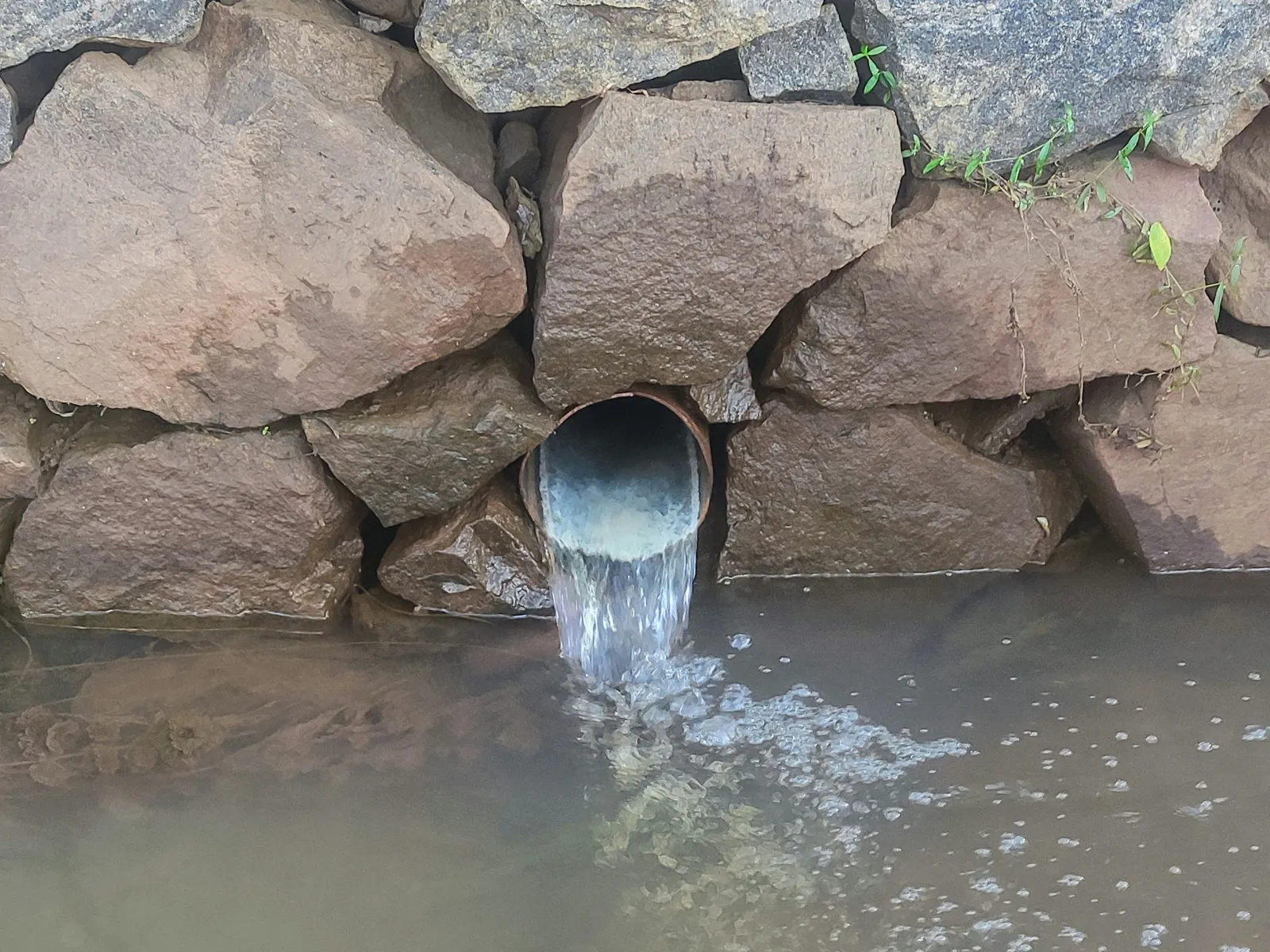
2. Drainage Design
Water pressure is the number one enemy of retaining walls.
Good drainage includes:
Gravel backfill
Drain pipes or weep holes
Proper grading away from the wall
Poor drainage allows hydrostatic pressure to build up behind the wall, which can cause bowing, cracking, or failure over time.
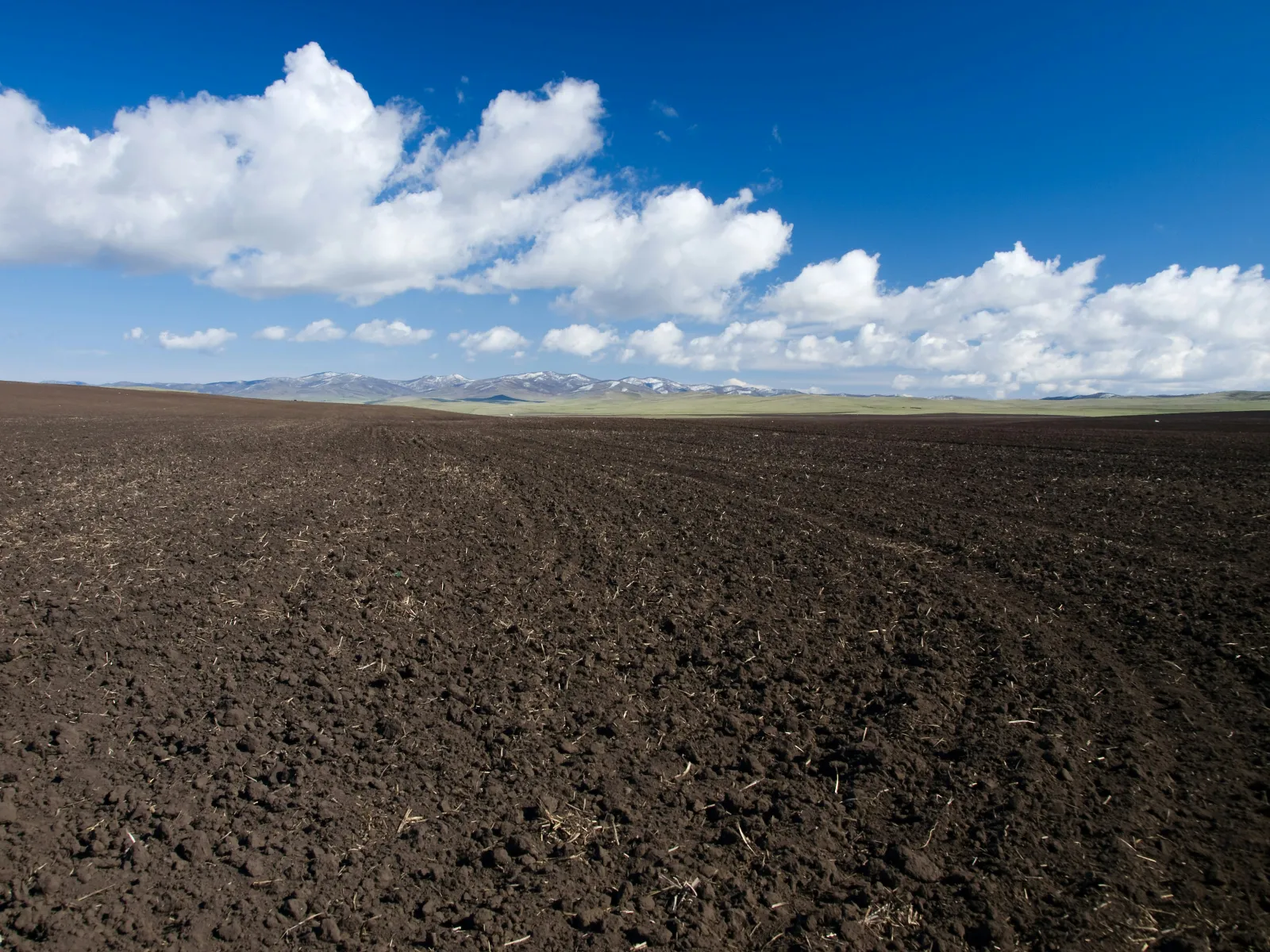
3. Soil Conditions
Clay soils, expansive soils, or unstable slopes increase pressure on retaining walls. Freeze-thaw cycles in colder climates can also accelerate wear and cracking.
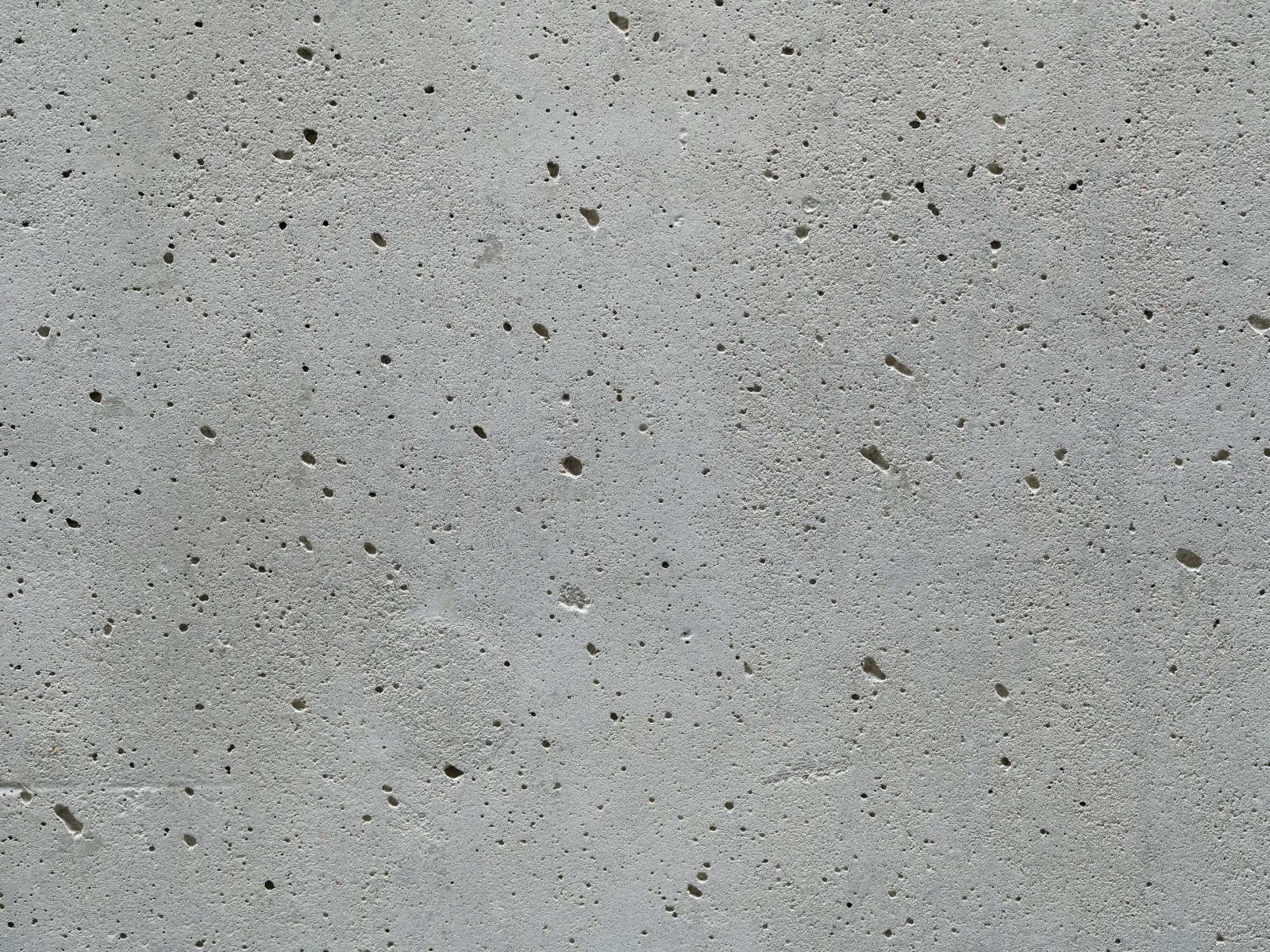
4. Climate and Weather Exposure
Constant moisture, extreme temperature swings, and heavy rainfall gradually degrade concrete surfaces and joints.
5. Maintenance & Repairs
Small cracks, drainage issues, or surface deterioration that are addressed early dramatically extend lifespan. Neglect allows minor issues to compound into structural problems.
Typical Lifespan Ranges
While every project is different, here are realistic expectations:
Poorly built walls: 10-25 years
Standard residential walls: 40-75 years
Well-engineered commercial-grade walls: 75-100+ years
Proper design and maintenance make an enormous difference.
Warning Signs Your Retaining Wall May Need Repair
If you notice any of the following, it's time to have the wall evaluated:
Visible cracks widening over time
Bulging or leaning sections
Water pooling behind the wall
Soil erosion or washout
Efflorescence (white mineral staining)
Spalling or surface breakdown
Catching these early often allows for repair instead of full replacement.
How to Extend the Life of a Concrete Retaining Wall
Keep drainage systems clear and functioning
Redirect downspouts away from the wall
Repair small cracks promptly
Avoid heavy loads or vehicles near the wall edge
Maintain grading and landscaping
Preventative care adds years — sometimes decades — to wall performance.
Repair vs Replacement: When Each Makes Sense
Repair is typically appropriate when:
Cracks are minor and stable
Drainage issues can be corrected
The wall is structurally sound overall
Replacement may be necessary when:
The wall is leaning or collapsing
Reinforcement has failed
Large sections are shifting or separating
Drainage failure has caused internal damage
A professional assessment helps determine the safest and most cost-effective path.
Long-Lasting Walls Start With Proper Construction and Care
Concrete retaining walls are long-term investments that protect both property value and safety. When built correctly and maintained properly, they can last generations.
If you're seeing signs of wear or planning repairs, Sudlow Concrete provides professional evaluation, repair, and concrete solutions throughout the Atlanta area.