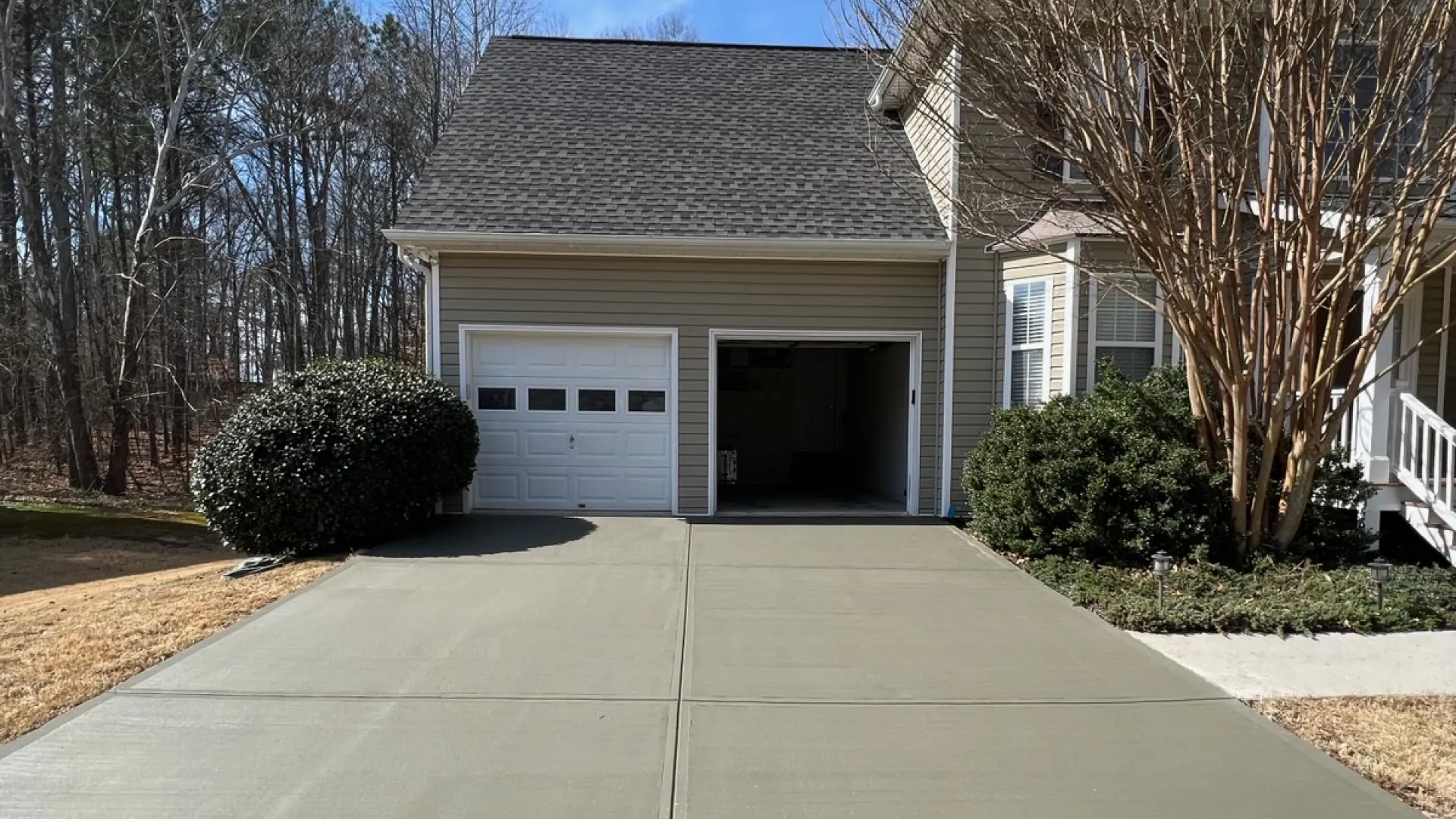
Cleaning Garage Floor Concrete:
Simple Ways to Get Great Results
Garage floors tend to quietly absorb everything life throws at them — oil drips, muddy tires, dust, salt, paint splatter, and whatever else ends up getting tracked in. Over time, even solid concrete can start to look stained, dull, or just permanently dirty.
The good news is that concrete is incredibly durable and responds well to the right cleaning approach. Whether you're trying to freshen things up, prep for a coating, or simply make the space more usable, learning how to clean garage floor concrete properly makes a noticeable difference.
Steps To Cleaning Garage Floor Concrete Safely
Let's walk through what actually works without overcomplicating it.

Step 1: Clear the Space and Dry Sweep
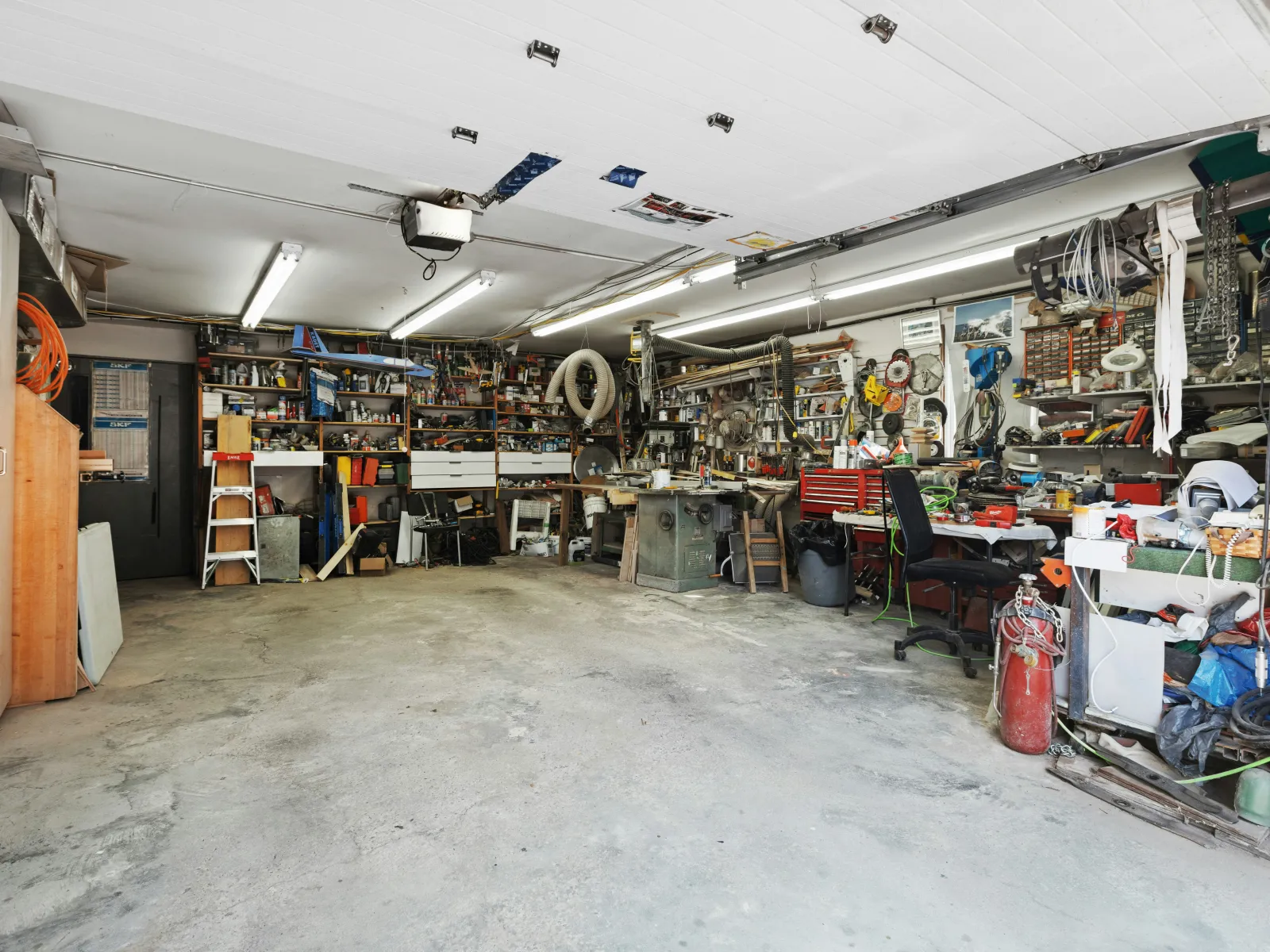
Start by removing everything from the garage floor so you can see what you're working with. Sweep thoroughly to remove loose dirt, sand, leaves, and debris.
This step matters more than most people realize. Grit left behind can scratch the surface and turn wet cleaning into muddy streaks instead of real progress.
Step 2: Identify the Stains
Before grabbing a cleaner, take a look at what's actually on the floor.
Common garage stains include:
Oil and grease spots
Tire marks
Rust from tools or metal shelving
Paint drips or adhesive residue
General dirt and dust buildup
Different stains respond to different treatments, so knowing what you're dealing with helps you avoid wasting time and product.

Step 3: Choose a Concrete-Safe Cleaner
For most garage floors, a basic concrete degreaser or alkaline cleaner works well. These lift oils and grime without damaging the surface.
Avoid using harsh acids or household chemicals unless the product specifically states it's safe for concrete — improper chemicals can weaken or etch the surface over time.
Apply the cleaner according to instructions and allow it to sit for a few minutes so it can break down the grime.

Step 4: Scrub the Surface
Use a stiff-bristle brush or floor scrubber to work the cleaner into the concrete. Focus on stained areas and high-traffic zones where buildup is heavier.
For larger garages or heavier buildup, a pressure washer can help — just avoid excessive pressure that could damage older concrete or push water into cracks.
Step 5: Rinse Thoroughly and Let Dry
Rinse the floor well to remove all residue. Leftover cleaner can attract dirt or make the surface slippery once dry.
Use a squeegee or wet vacuum to remove excess water and speed up drying. Allow the floor to dry completely before bringing items back into the space.
How Often Should You Clean a Garage Concrete Floor?
A light sweep every few weeks helps prevent buildup. A deeper clean once or twice a year keeps stains from becoming permanent and makes future maintenance easier.
If your garage sees heavy use, frequent vehicle traffic, or workshop activity, you may want to clean more often.
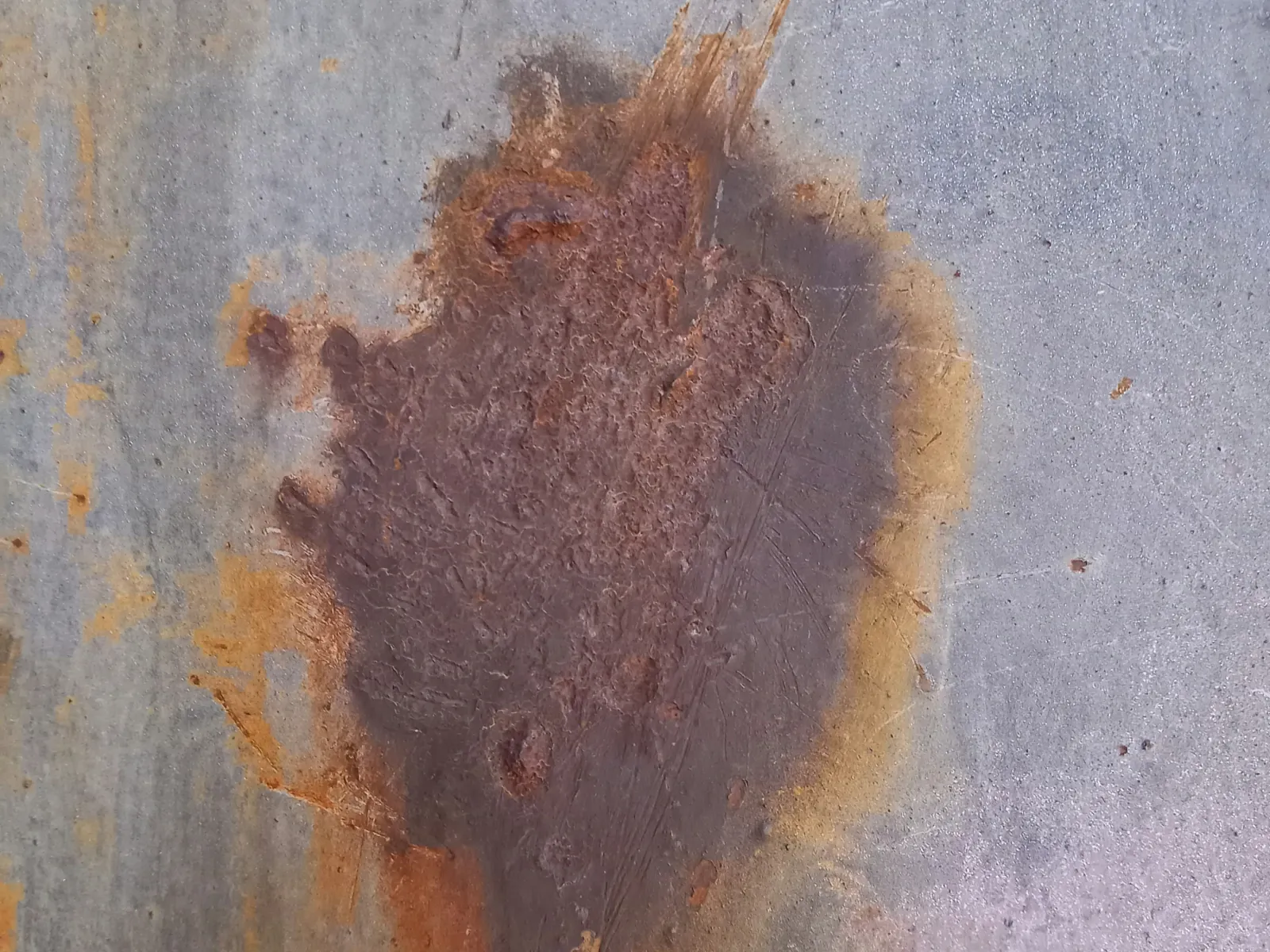
When Stains Won't Come Out
Some stains penetrate deep into the concrete and may not lift with standard cleaning. Oil that's been sitting for years, chemical spills, or old coatings may require professional cleaning, grinding, or resurfacing to fully restore the surface.

Make Cleaning Easier Going Forward
Sealing your concrete floor can dramatically reduce future staining and make routine cleaning much easier. A sealed surface resists moisture, oil absorption, and dust while maintaining a cleaner appearance longer.
A Cleaner Garage Makes the Space More Usable
A clean garage floor instantly improves how the space feels — brighter, safer, and more functional. Whether you use your garage for parking, storage, hobbies, or work, maintaining the concrete keeps it looking good and performing well for years.
If you're dealing with stubborn stains, surface damage, or want to explore sealing or refinishing options, Sudlow Concrete helps homeowners across Georgia find practical solutions that actually last.