Asphalt vs. Concrete:
Which Is Better for Driveways?
Asphalt vs. Concrete
If you're installing a new driveway in Atlanta, the two most common materials you'll consider are asphalt and concrete. While both provide a solid surface for your vehicles, they perform very differently over time—especially when subjected to Georgia's extreme summer heat and expansive clay soil.
Here is the breakdown of how these two materials compare in the Atlanta market.
1. Material Differences
Asphalt: Known as "flexible pavement," asphalt is made of stones and sand held together by an oil-based binder (bitumen). It is dark, porous, and stays somewhat pliable.
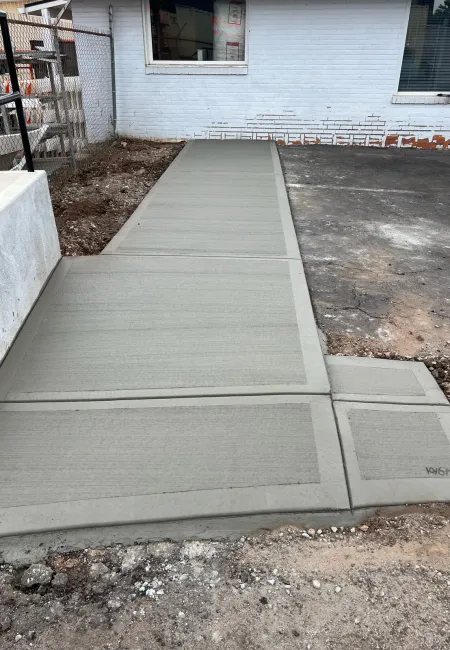
Concrete: Known as "rigid pavement," concrete is a mixture of cement, water, and aggregate. It cures into a rock-hard, monolithic slab that maintains its shape even under heavy loads.
2. Cost Comparison: Upfront vs. Lifetime
Asphalt: Typically has a lower upfront cost. It installs quickly and can often be driven on within 24-48 hours.
Concrete: Has a higher initial cost due to the materials and the labor involved in forming and reinforcing the slab.
The Reality: While concrete costs more on day one, it typically lasts double or triple the lifespan of asphalt. When you factor in the cost of frequent sealcoating and repairs for asphalt, concrete often ends up being the cheaper option over 20 years.
3. Performance in the Atlanta Heat
This is where the difference is most noticeable.
The "Softening" Issue: Atlanta summers regularly hit 90°F+. Asphalt absorbs that heat and can actually soften. If you park a heavy SUV or turn your wheels while stationary on a hot afternoon, you can leave permanent ruts or "scuff marks" in asphalt.
The Temperature Difference: Concrete reflects sunlight, keeping your driveway significantly cooler. This isn't just about comfort; it means the material stays rigid and structurally sound regardless of how high the temperature climbs.
4. Maintenance Requirements
Asphalt Maintenance: Needs to be sealcoated every 3-5 years to prevent the oil from drying out and the surface from becoming brittle and grey.
Concrete Maintenance: Requires periodic sealing and cleaning, but it doesn't "dry out" like asphalt. It is much more resistant to oil leaks and chemical spills.
5. Curb Appeal and Resale Value
Asphalt: Usually limited to a standard black finish. As it ages, it can turn an ashy grey and develop "alligator cracks."
Concrete: Offers a much higher "curb appeal" and significantly higher resale value for your home. Beyond standard grey, you have options for stamped concrete that can look like slate, brick, or stone, giving your home a custom, high-end look.
The "Georgia Clay" Factor
Whether you choose asphalt or concrete, the secret to longevity in Atlanta is subgrade preparation. Because our red clay shifts, an asphalt driveway will often "wave" or dip over time. A reinforced concrete slab, built on a properly compacted gravel base, bridges those soil movements much more effectively.
Summary: Which Should You Choose?
Choose Concrete if:
- You want a "one-and-done" solution that lasts 30–40 years.
- You want to increase your home's resale value and curb appeal.
- You want a cooler surface that doesn't rut or track oil into your house.

Choose Asphalt if:
- Initial budget is the primary concern.
- You are okay with performing regular sealcoating maintenance every few years.