Concrete Driveway Replacement
in Atlanta
No Job Too Big or Too Small
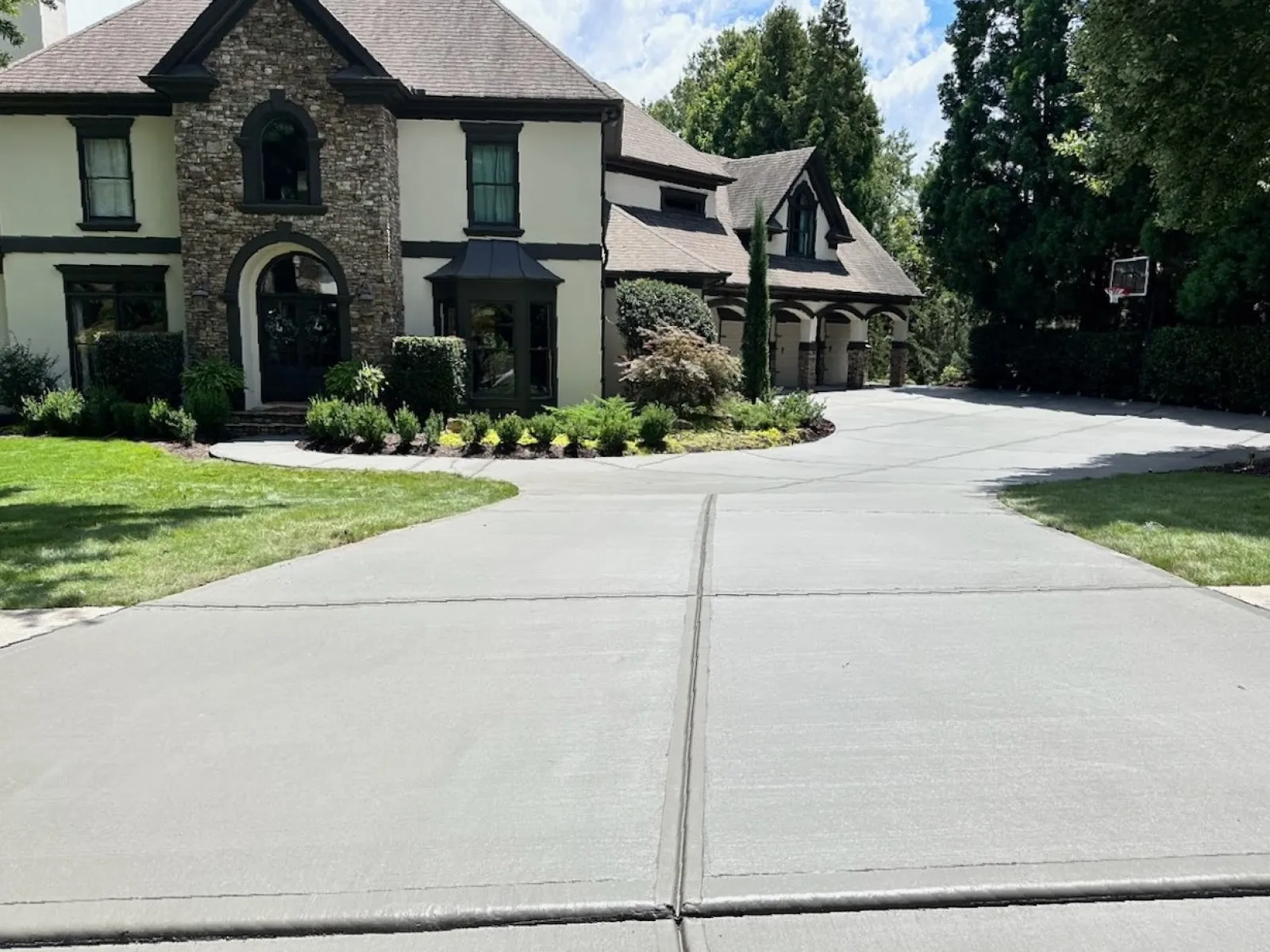
Driveways Built for Georgia Soil
A new driveway should do more than improve your home's curb appeal. It should be built to handle everyday use, changing weather, and the soil conditions beneath it.
Sudlow Concrete provides concrete driveway replacement in Atlanta and surrounding communities, with careful base preparation, high-strength concrete, and a 5-year transferable warranty.
We've been serving Georgia homeowners since 2000, and every estimate is free.
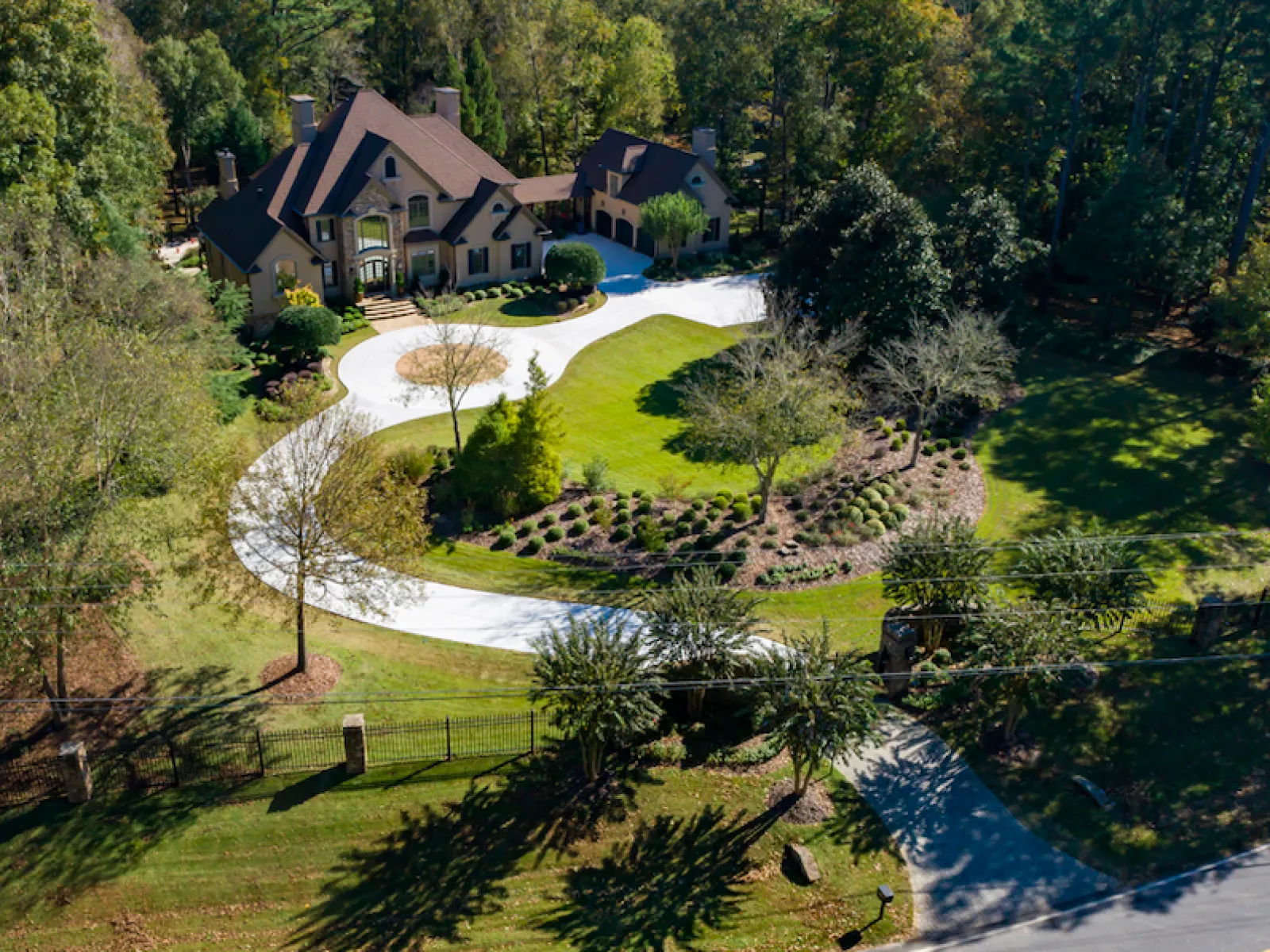
Concrete Driveway Replacement in Atlanta Starts Below the Surface
If your driveway is cracking, sinking, or deteriorating, the problem may extend well beyond what you can see.
Georgia's clay soil expands and contracts as moisture levels change. Poor drainage and an unstable base can cause the concrete above to shift, settle, and eventually crack.
That's why replacing a driveway isn't simply a matter of removing the old concrete and pouring a new slab.
At Sudlow Concrete, we take the time to assess the condition of the base, the property's slope, and how water moves through the area before installing the replacement.
We use a 4,900 psi concrete mix rated at 28 days, reinforced with rebar and fiber at no additional cost.
Every driveway replacement also includes our 5-year warranty covering materials and workmanship, which transfers automatically to a new owner if you sell your home.
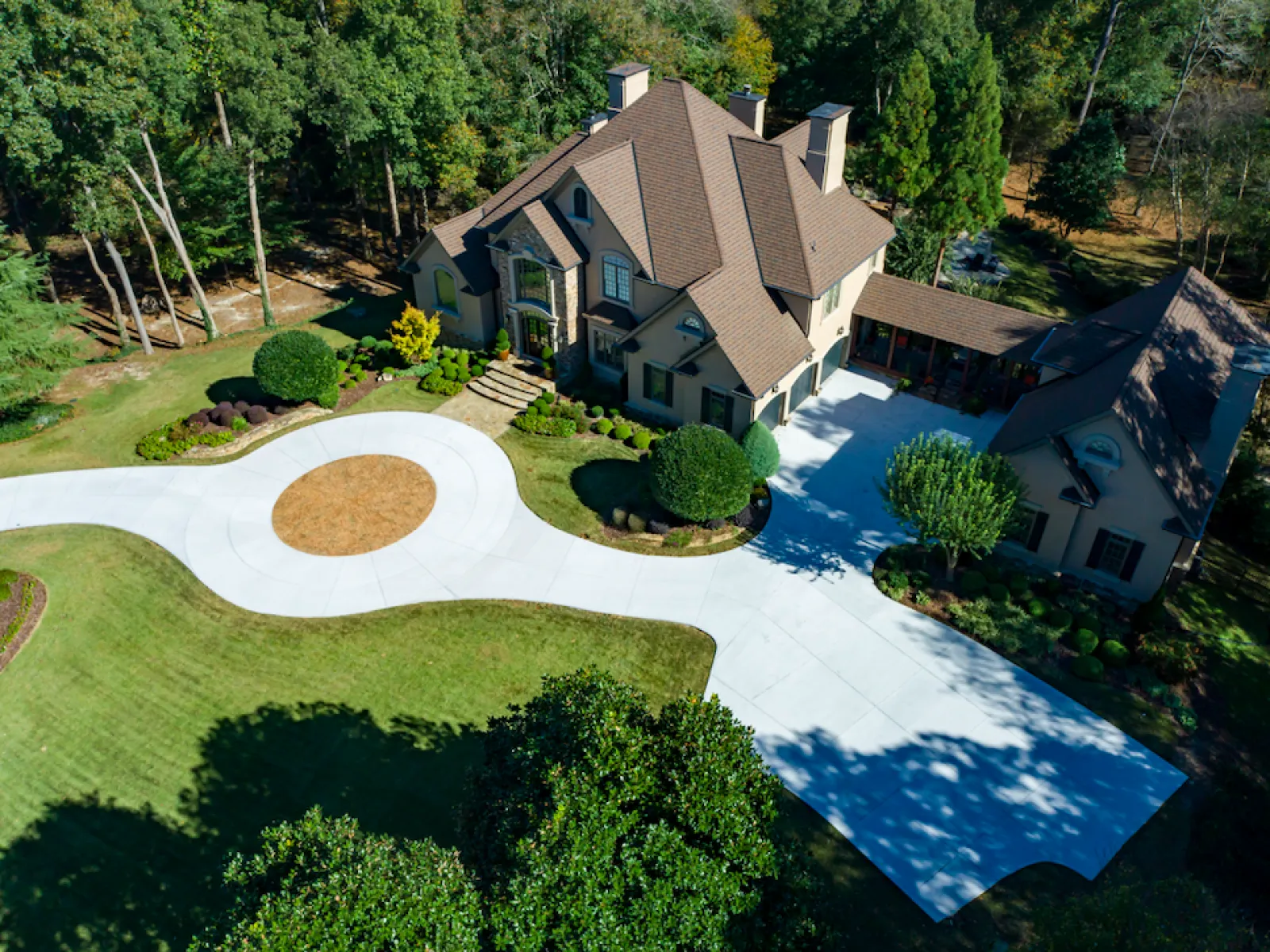
When Should You Replace a Concrete Driveway?
Not every crack means you need a new driveway.
In some cases, replacing one or two damaged sections is enough. But when problems affect much of the surface, complete replacement is often the more practical long-term investment.
Signs that it may be time for a new driveway include:
- Widespread cracking: Large cracks extending across multiple concrete panels.
- Sinking or uneven sections: Areas that have settled, lifted, or shifted out of alignment.
- Extensive surface deterioration: Crumbling, flaking, or breaking concrete throughout the driveway.
- Drainage problems: Water collecting on the surface or flowing toward the house or garage.
- Repeated repairs: Previous patches that continue to crack or deteriorate.
- A change in your needs: You want a wider driveway, a different layout, or an updated finish.
If the damage is limited to a few sections, a repair may be sufficient.
During your free estimate, we'll examine the existing concrete and explain whether a targeted repair or complete replacement makes more sense.
Our Concrete Driveway Replacement Process
A dependable driveway starts with proper preparation. Here's what you can expect when working with Sudlow Concrete.
1. Free On-Site Estimate
2. Planning and Approvals
3. Removing the Existing Driveway
4. Grading and Base Preparation
5. Setting Forms and Reinforcement
6. Pouring and Finishing the Concrete
7. Creating Control Joints
8. Curing and Final Instructions
1. Free On-Site Estimate
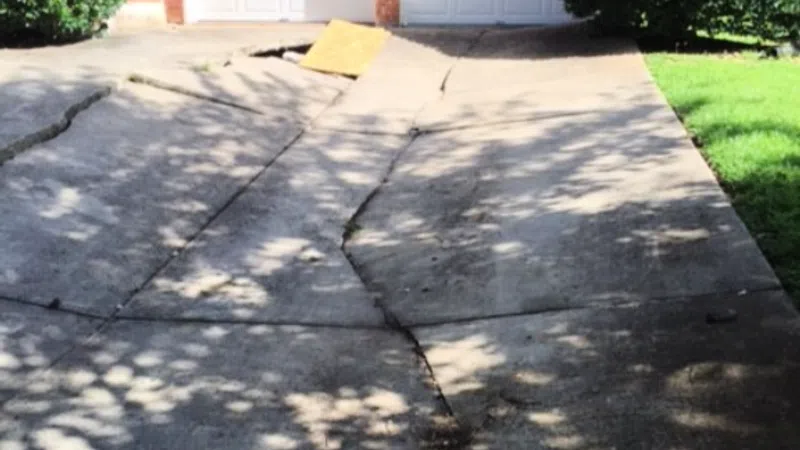
2. Planning and Approvals
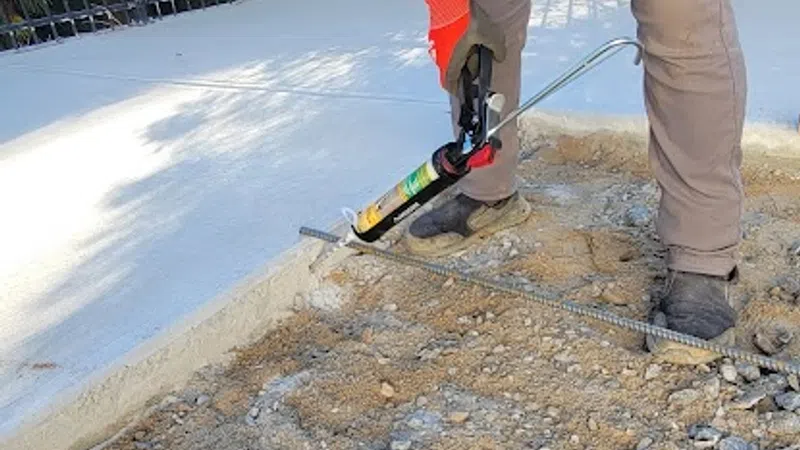
3. Removing the Existing Driveway
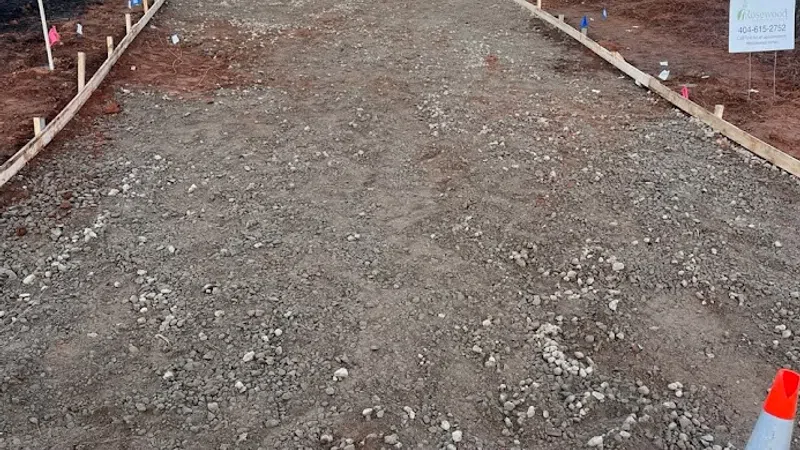
4. Grading and Base Preparation
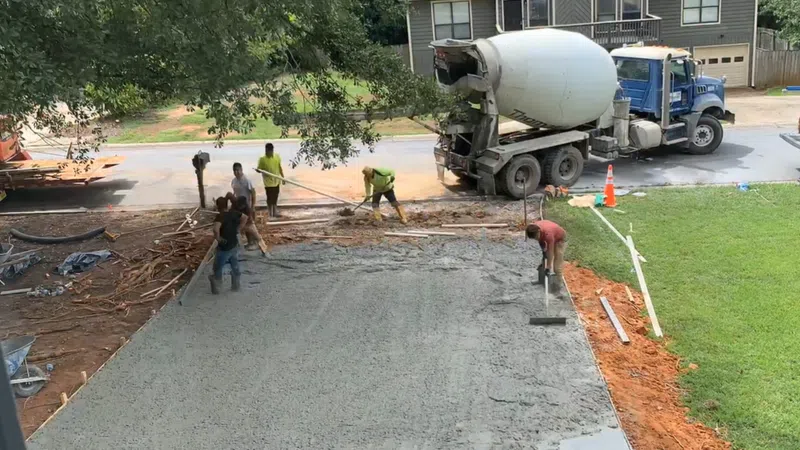
5. Setting Forms and Reinforcement
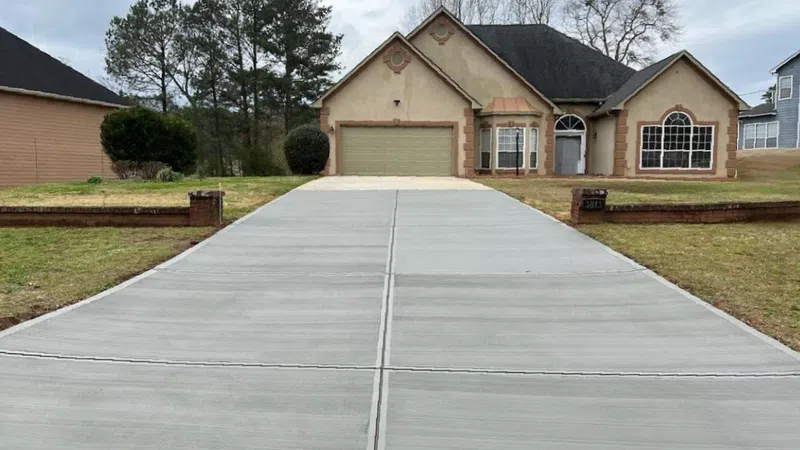
6. Pouring and Finishing the Concrete
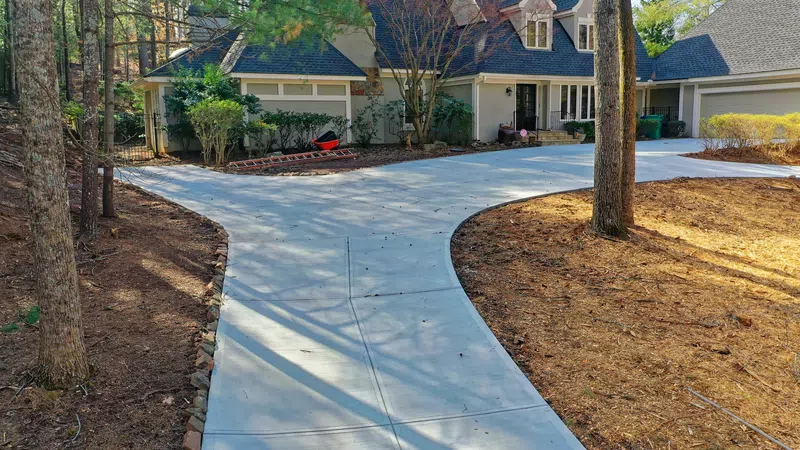
8. Curing and Final Instructions
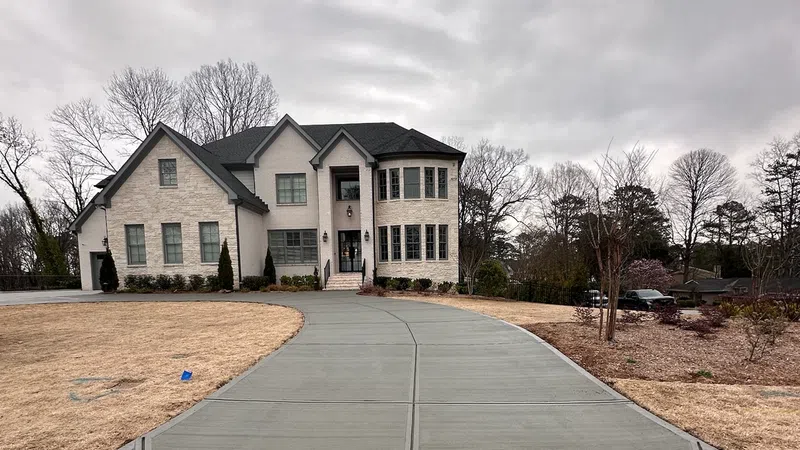
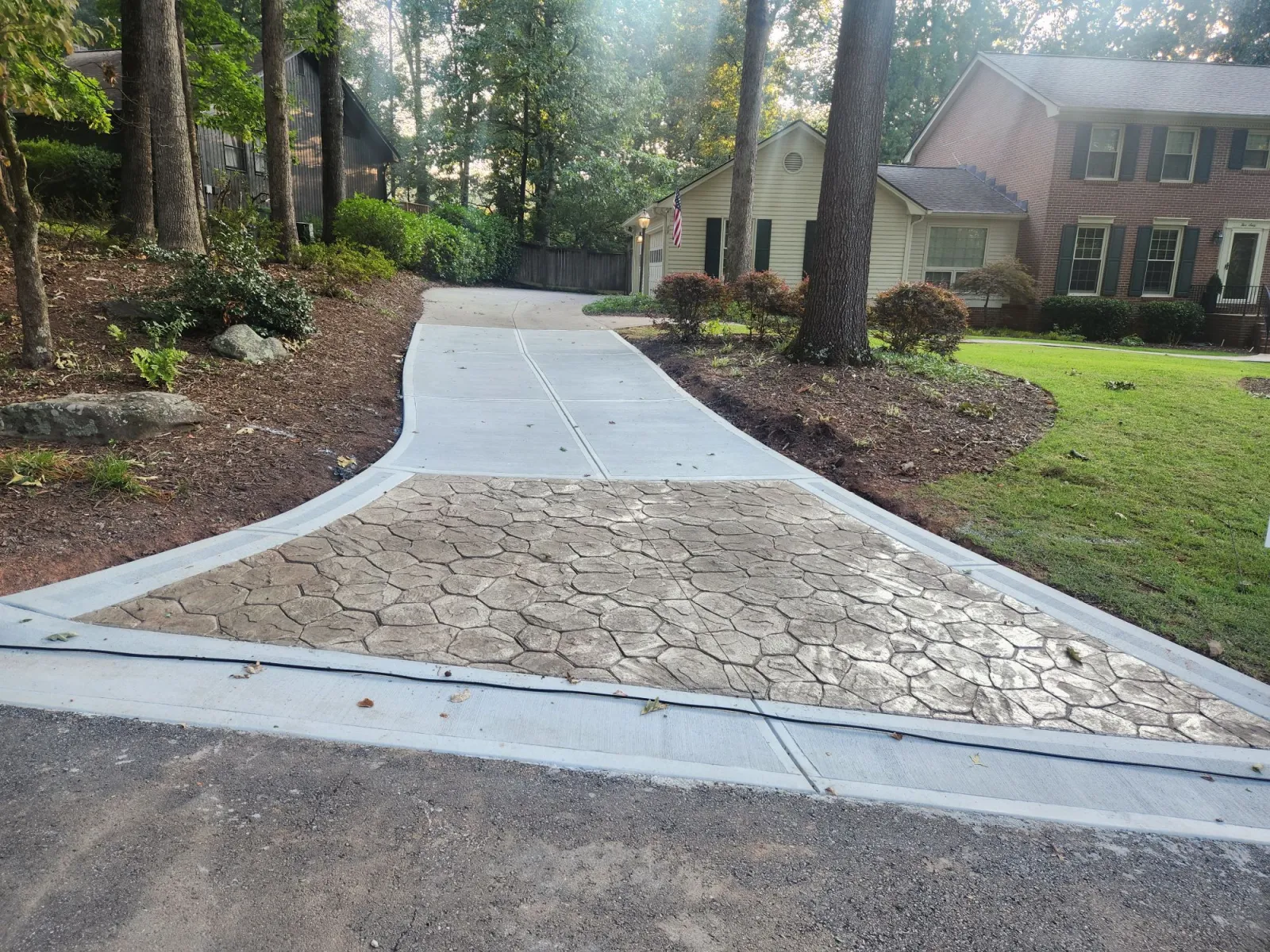
Concrete Driveway Finish Options
Your driveway plays a significant role in your property's appearance, and the finish you choose can complement your home's style.
Broom-Finished Concrete: A classic choice for residential driveways, broom-finished concrete provides a clean appearance and a textured, slip-resistant surface.
Stamped Concrete Borders: Decorative stamped borders add visual interest without requiring the entire driveway to be stamped. They can be used along driveway edges or at the entrance.
Decorative Driveway Aprons: A decorative apron can create a more finished look where your driveway meets the street.
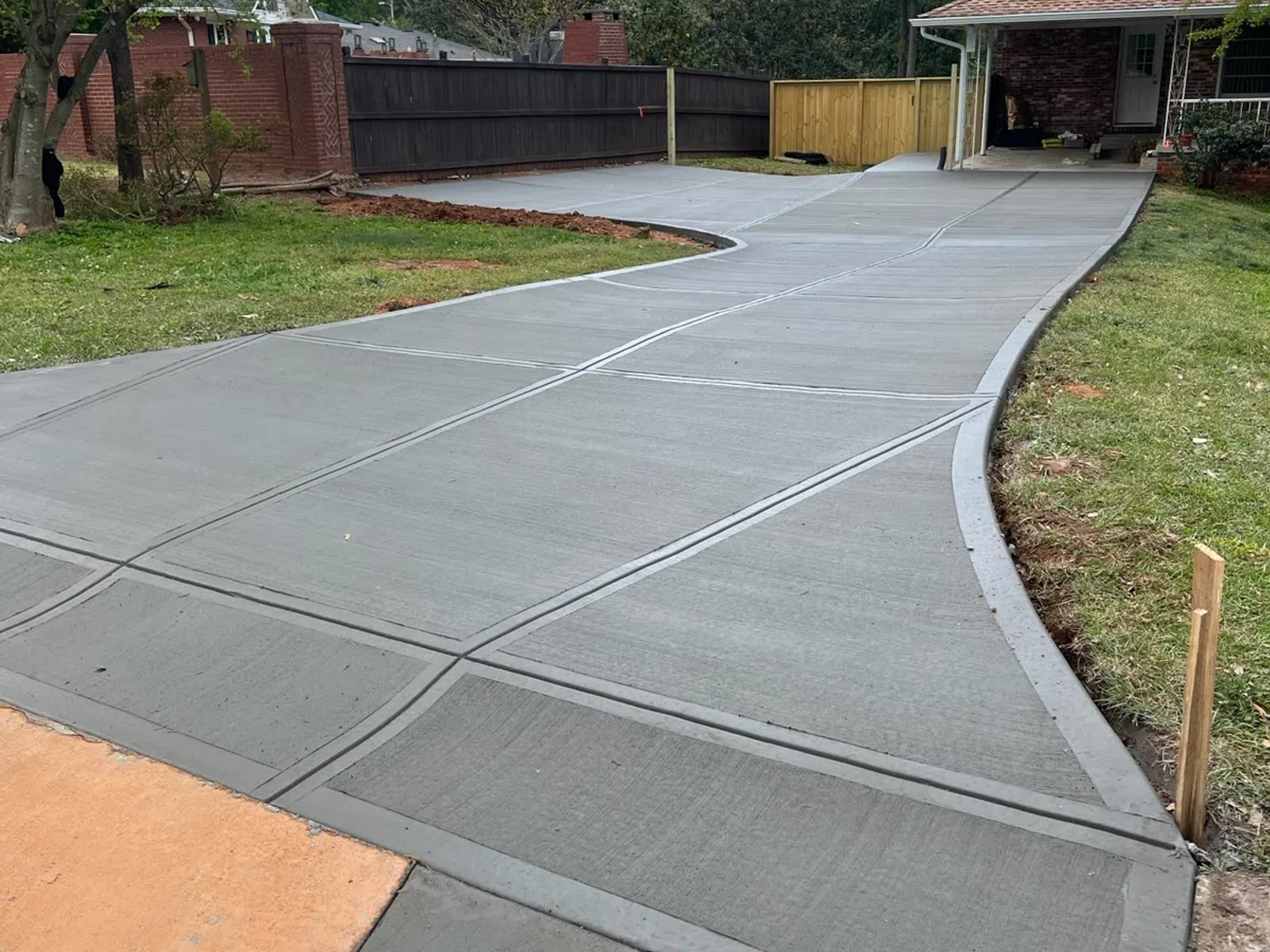
Do You Need a Permit to Replace Your Driveway?
Permit requirements depend on where your property is located and what portion of the driveway is being replaced.
Replacing concrete entirely within your property may not require a permit in many jurisdictions.
However, work involving the driveway apron or public right-of-way generally requires city or county approval.
If your driveway connects to a state road, a Georgia DOT encroachment permit may also be required.
Homeowners associations may have separate approval requirements for driveway dimensions, materials, or decorative finishes.
We'll help identify the requirements for your address before scheduling the project.
Frequently Asked Questions About Driveway Replacement
Q How much does it cost to replace a concrete driveway?
Pricing depends on driveway size, removal requirements, base preparation, grading, drainage, and your chosen finish. We provide free on-site estimates with clear upfront pricing.
Q How long before I can drive on my new driveway?
New concrete needs time to gain strength before it can safely support regular use. As a general guideline:
- Walking: Wait 24-48 hours after the pour.
- Passenger vehicles: Wait at least seven days before driving on the new surface.
- Heavier vehicles: Additional curing time may be necessary.
Weather conditions and project specifications can affect these recommendations.
Q Do I need a permit to replace my driveway?
It depends on the location and scope of the work. Replacing concrete on private property may not require a permit, while work involving a driveway apron or public right-of-way usually requires approval. We'll review applicable requirements before scheduling.
Q How long does a concrete driveway last?
A properly installed concrete driveway can last for decades. Its longevity depends on several factors, including base preparation, drainage, reinforcement, control joints, and ongoing conditions beneath the slab.
Q Can you replace only part of my driveway?
Yes. If the damage is limited to a few sections and the remaining concrete is sound, section replacement may be a more economical solution. Keep in mind that new concrete won't perfectly match the color of older concrete.
Q Does Sudlow Concrete offer a warranty?
Yes. Every job includes a 5-year warranty covering materials and workmanship at no additional cost. The warranty transfers automatically to a new property owner.
Serving
Metro Atlanta & Beyond
- Marietta
- Athens
- Alpharetta
- Tucker
- Peachtree City
- Canton
- Cumming
- Dacula
- Doraville
- Duluth
- East Cobb
- Johns Creek
- Kennesaw
- Lilburn
- Norcross
- Peachtree
Corners - Powder
Springs - Roswell
- Smyrna
- Snellville
- Sugar Hill
- Suwanee
- Woodstock
- Buford
- Acworth
- Chamblee
- Dallas
- Dawsonville
- Decatur
- Douglasville
- Mableton
- Ball Ground
- Lawrenceville
- Brookhaven
- Austell
- Sandy Springs
- Stone Mountain
- Lithonia
- Grayson
- Loganville
- Ellenwood
- Winder
- Conyers